Detroit Police: Corruption from Mayor Reading to FBI Revelations
Sagsdetaljer
Quick Facts
Corruption shadow: Power abuse in Detroit Police for decades
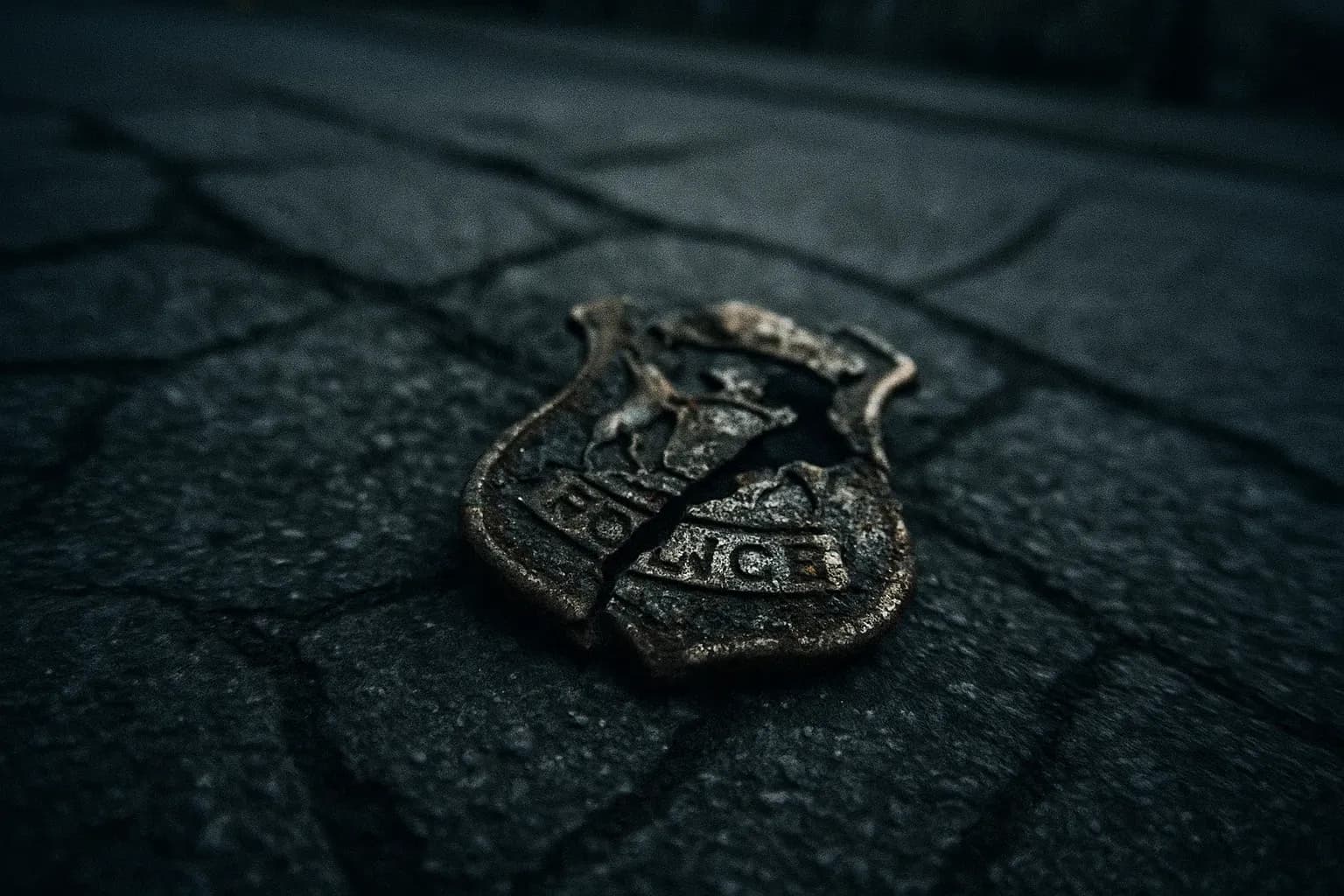
For decades, the shadow of corruption has loomed heavily over the Detroit Police Department (DPD). This American police force, established to protect the citizens of Detroit, USA, has repeatedly been exposed for abusing its power for personal gain. A long series of police scandals, ranging from bribery and drug trafficking to brutal civil rights violations and violence, has undermined public trust and uncovered a systemic flaw deeply rooted in the city's police force.
1940 scandal: Mayor Reading and DPD's promotions sale
As early as February 1940, a massive corruption scandal rocked the city when Mayor Richard Reading, the police chief, and over 100 DPD officers were indicted. The police leadership had sold promotions and protected illegal gambling operations through bribery. Although Reading ended up in prison after the subsequent trial, this high-profile case was merely an early warning of a culture where power became a commodity.
Cynthia Scott's death 1963: DPD's civil rights violations
Problems with abuse of power and violence continued. In the mid-20th century, repeated cases of Black citizens subjected to brutal assaults and wrongful arrests by Detroit police were documented. A tragic example of these civil rights violations was the killing of Cynthia Scott in 1963. The young Black woman was shot in the back by a white officer while resisting an unlawful arrest – a shocking example of fatal abuse of power.
Operation Backbone 1990: FBI exposes DPD's drug collusion
In 1990, the American FBI launched Operation Backbone, an extensive undercover mission. This operation revealed deep-seated collusion between officers from the Detroit Police Department and drug cartels. With crucial help from informant Rick Wershe Jr., better known as "White Boy Rick," the FBI documented how DPD officers received large sums in bribes to protect cocaine shipments. This high-profile case culminated in 1991 with a trial and conviction of 11 officers, including Jimmy Harris, a former bodyguard for then-Mayor Coleman Young. Although this effort against organized corruption removed certain corrupt elements, a culture of silence and institutional weaknesses within the police force remained intact, ready to manifest anew.
Major Violators Unit 2019: FBI video exposes corruption
Unfortunately, recent decades have provided renewed evidence of DPD's persistent corruption problems. In a shocking development in August 2019, the police raided its own narcotics unit, the Major Violators Unit. The raid occurred after the FBI filmed veteran officer Michael Mosley accepting a bribe. A subsequent internal investigation revealed a disturbing pattern of falsified statements, stolen evidence, and missing money. Twelve officers were forced to resign, but none faced criminal charges for this widespread misconduct, highlighting a troubling lack of accountability and leaving many questions unanswered.
Abuse of Power: Michael Kennebrew case 2022 and rights issues
Meanwhile, alarming reports of civil rights violations committed by Detroit police officers continued. A 2022 case, where bouncer Michael Kennebrew was assaulted and wrongfully detained by an officer – despite clear video footage – illustrates a persistent arrogance and gross abuse of power among some officers. Such cases of abuse have often led to civil lawsuits, but the path to justice for victims has been long and uncertain.
Tow truck scandal 2018-2023: Widespread bribery in DPD
Another widespread corruption scandal, known as the tow truck scandal, shook the DPD between 2018 and 2023. In this case, high-ranking officers, including, ironically, John F. Kennedy from DPD's own Integrity Unit, accepted bribes. They received money, cars, and services to ensure that specific towing companies were awarded lucrative contracts. His partner, Daniel Vickers, was also involved in accepting bribes. This high-profile case led to charges against six individuals, including city council members, and uncovered a network of fraud where outsourced contracts were systematically misused for personal enrichment.
Violence on duty 2015: False arrests and drug theft
However, the most serious cases of corruption within the Detroit Police Department have involved direct violence and serious crimes committed by officers on duty. In 2015, Lieutenant David Hansberry and Officer Bryan Watson were charged with a shocking abuse of their positions. They tracked down drug dealers, made false arrests, and stole both narcotics and cash. In the process, a confidential informant was threatened at gunpoint, and large quantities of cocaine disappeared from police evidence. After a trial, both officers were sentenced to prison, marking a rare but necessary consequence for their criminal behavior within the police force.
Challenge: DPD's corruption legacy and rebuilding trust
Over decades, these numerous cases of corruption, bribery, violence, and abuse have painted a grim picture of the Detroit Police Department. The problems within the DPD constitute an ongoing challenge that demands constant attention, thorough internal investigations, and genuine reform efforts. Only through such measures can the trust between the police and the citizens of Detroit, USA, whom they are meant to serve, potentially be rebuilt.
Follow KrimiNyt for more in-depth cases on corruption and abuse of power in the police force.
Susanne Sperling
Admin