Fiction Alert: My Husband's Wife Is Not True Crime
Alice Feeney's 2026 psychological thriller draws readers into a fictional mystery—not a real case
Alice Feeney's My Husband's Wife, published around 2026 by Pan Macmillan, is a work of fiction—specifically a psychological thriller and mystery novel. Despite its compelling premise, the book contains no connection to verified true crime events, real people, or documented criminal cases.
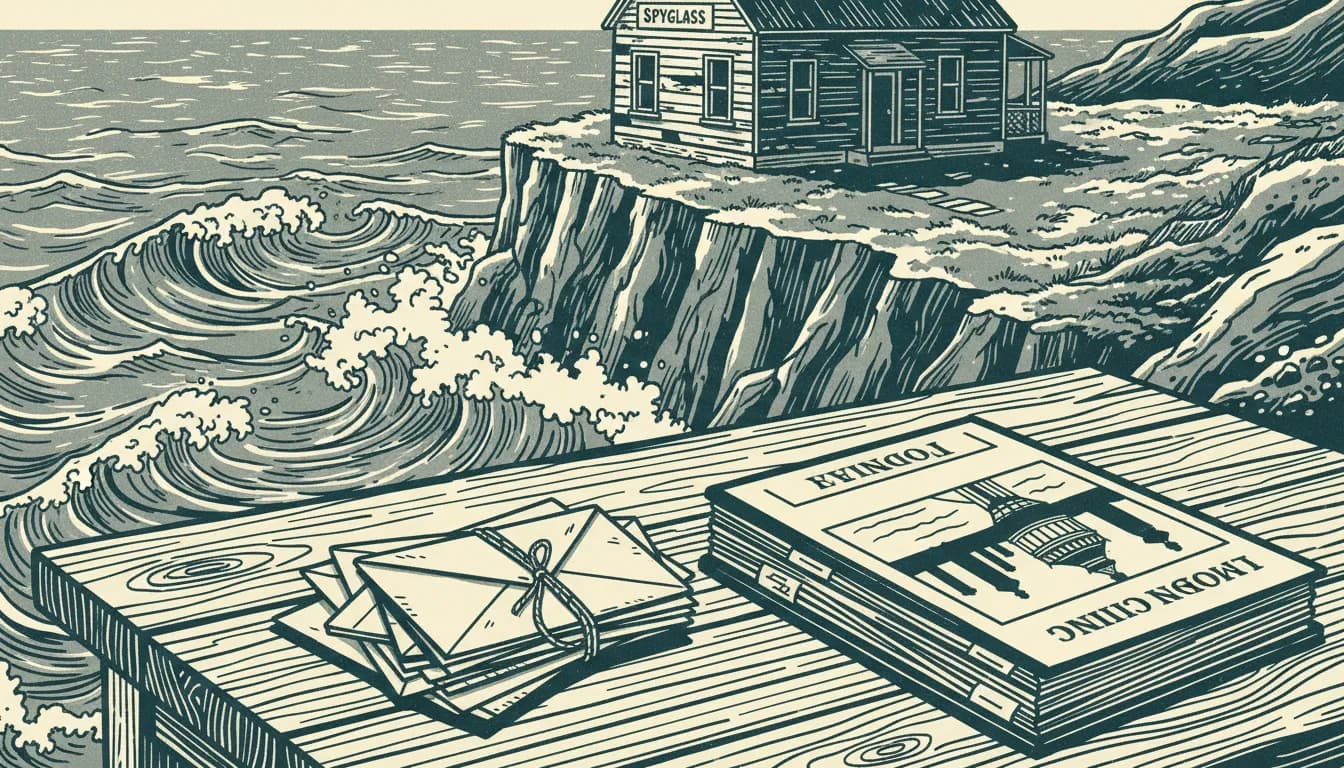
The novel centers on fictional characters in an invented narrative. Central to the story is a character known as Birdy, who navigates a web of mystery involving her husband, deception, and identity. The setting is equally fictional: Spyglass, a house located in Hope Falls, a seaside village that appears to be inspired by locations like Cornwall but exists only within the pages of Feeney's imagination.
Key plot elements—including themes of inheritance, a death prediction clinic, and the discovery of a woman's body—are all fabricated narrative devices designed to create suspense and intrigue. These details, while compelling to readers seeking psychological mystery, represent creative storytelling rather than documented criminal investigation or court records.
For readers and researchers seeking true crime coverage, this distinction is crucial. True crime journalism documents real events: verifiable crimes, identified victims, investigated suspects, court proceedings, and final verdicts. My Husband's Wife offers none of these elements. Instead, it delivers fictional entertainment crafted by an author known for psychological thrillers.
Alice Feeney has built a reputation for imaginative suspense novels that blur the lines between what readers might assume is real and what is purely creative fiction. My Husband's Wife follows this pattern: a gripping premise, a mysterious setting, and intriguing character dynamics—all originating from the author's imagination rather than criminal records or news archives.
For international audiences unfamiliar with Feeney's work, it is important to recognize that marketing and reader reviews—while enthusiastic—describe the book as a novel. Goodreads categorizes it as fiction. Book review blogs and publications discuss it as creative work, not investigative journalism or true crime reporting.