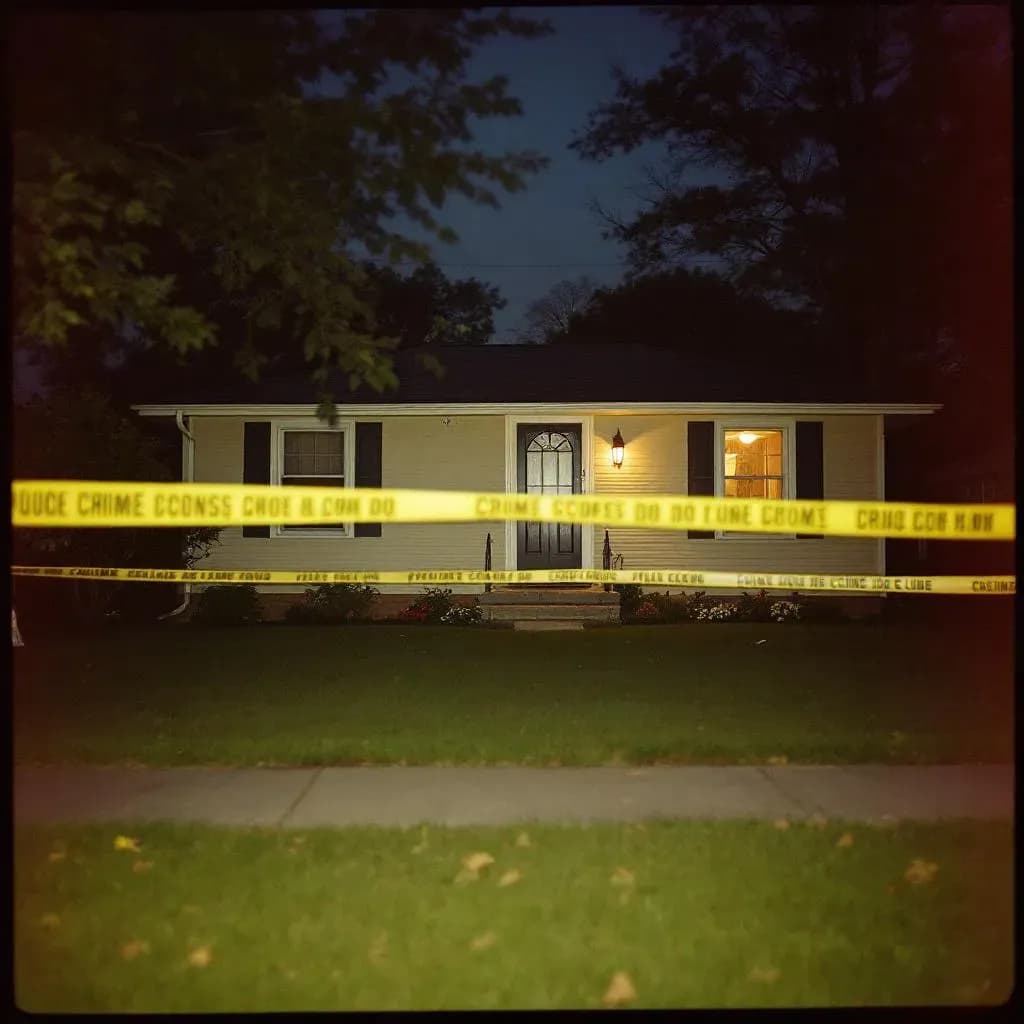
The Assassination of Walter Lübcke: Far-Right Terror in Germany
Sagsdetaljer
Quick Facts
Quick Facts
Walter Lübcke was a 65-year-old member of Chancellor Angela Merkel's Christian Democratic Union (CDU) serving as the regional president of the Kassel district in Hesse. A career civil servant and father of two, Lübcke became a target of far-right hatred after a 2015 town hall meeting where he defended the government's refugee policy, telling critics that anyone who disagreed with Germany's Christian values of helping those in need was "free to leave the country." A video of his remarks went viral in right-wing circles, and Lübcke subsequently received numerous death threats that he reported to authorities.
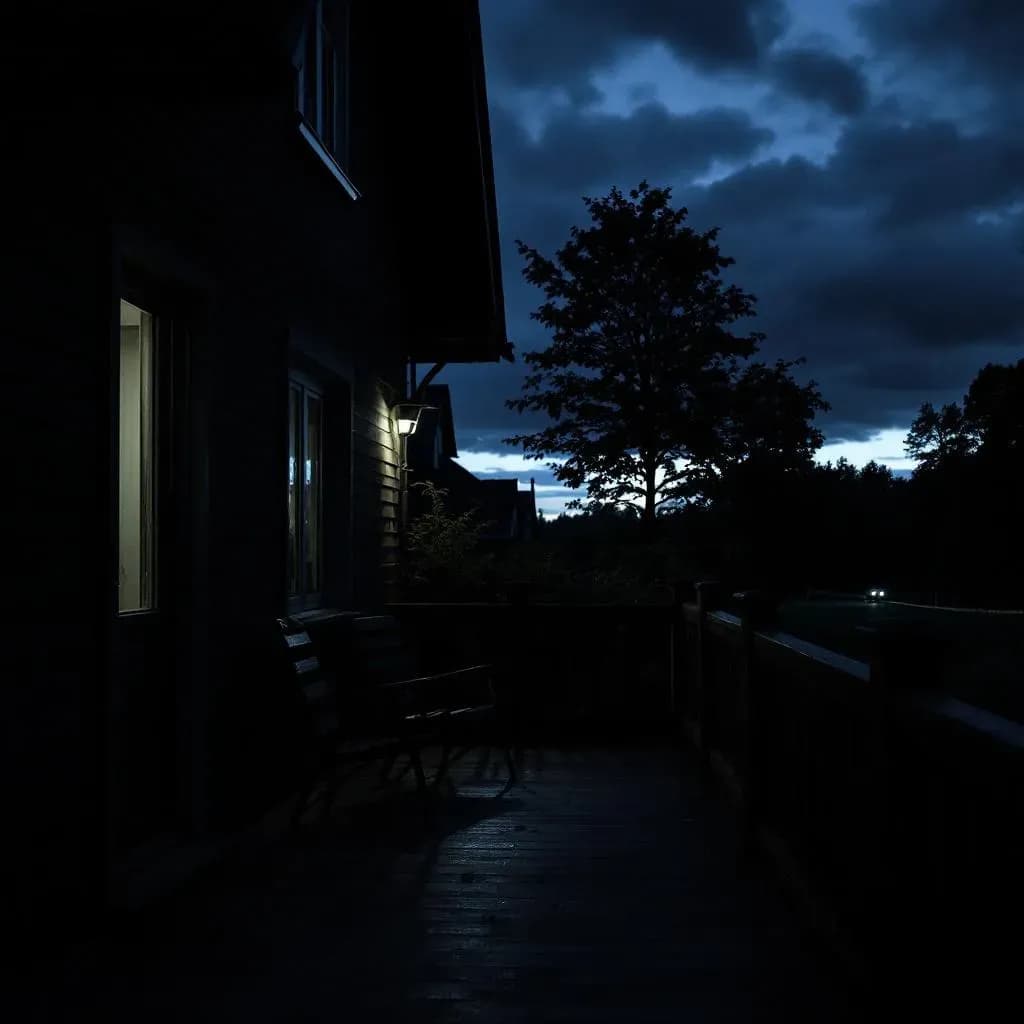
On the night of June 1-2, 2019, Lübcke was shot once in the head at close range while sitting on the terrace of his home in Wolfhagen-Istha, a small town near Kassel. His wife discovered him shortly after midnight, still alive but critically wounded. He was pronounced dead at the scene. Initial investigations yielded few leads, and the case remained unsolved for two weeks. The breakthrough came when forensic analysts matched DNA found on Lübcke's clothing to Stephan Ernst, a 45-year-old electrician with a long history of violent neo-Nazi activity dating back to the 1990s.
Stephan Ernst had been on the radar of German intelligence services for decades. His criminal record included a 1993 pipe bomb attack on a refugee shelter and a 2009 knife attack on a union demonstration. Despite this history, authorities had classified him as no longer dangerous in 2015 — the same year Lübcke's speech drew far-right attention. Ernst confessed to the murder shortly after his arrest, claiming he had acted alone. However, he later changed his story multiple times, at one point implicating his friend and fellow neo-Nazi Markus Hartmann as the actual shooter, then reverting to his original confession.
The trial opened at the Frankfurt Higher Regional Court in June 2020. Prosecutors established that Ernst had stalked Lübcke multiple times before the murder, visiting his home at least twice with weapons. The investigation also revealed Ernst's connections to Combat 18, a violent neo-Nazi network, and potential links to the National Socialist Underground (NSU), which had murdered ten people between 2000 and 2007. Markus Hartmann was charged as an accessory for allegedly providing the murder weapon and accompanying Ernst on reconnaissance missions to Lübcke's residence.