AI og jura
The intersection of artificial intelligence technology and legal frameworks in US federal criminal law, governed primarily by the statutory definition in 15 U.S.C. § 9401(3)
Definition
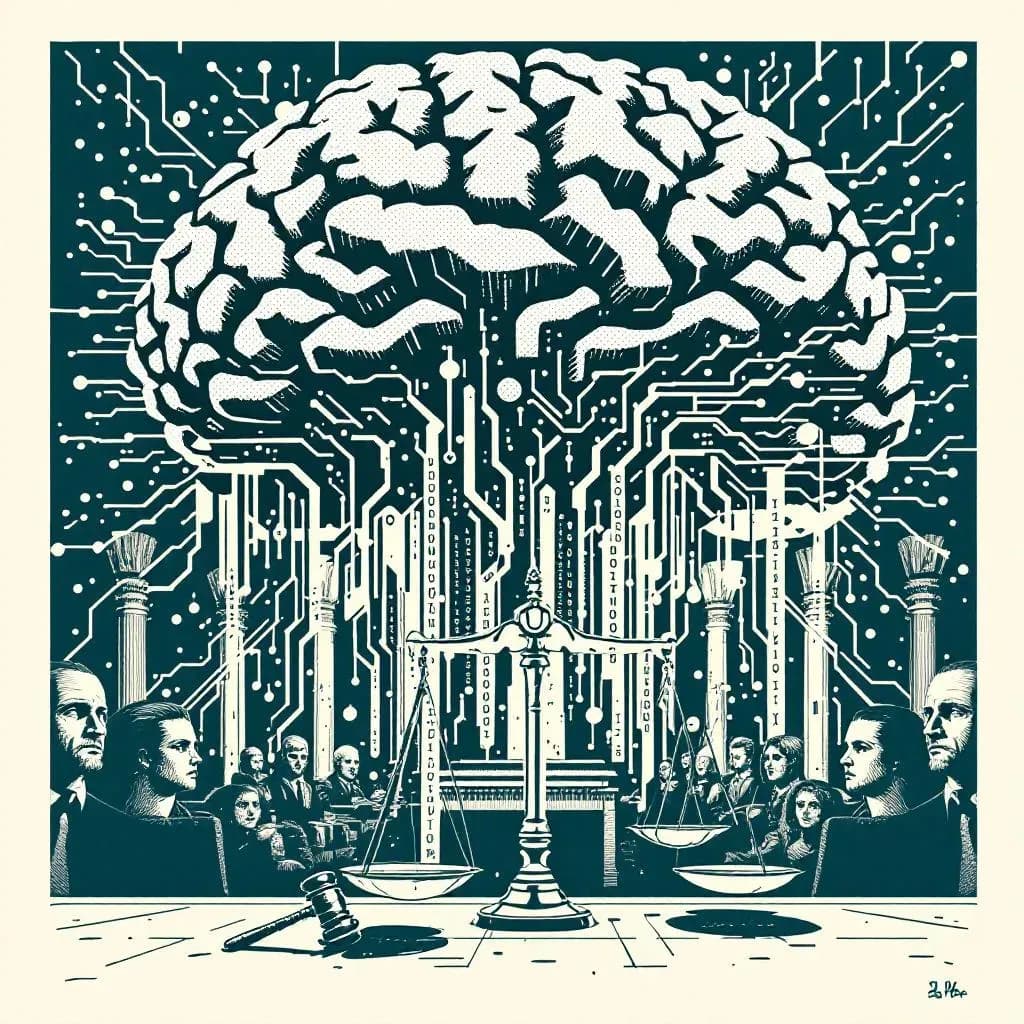
AI and law ('AI og jura') refers to the application of artificial intelligence systems within the American legal system, particularly in criminal justice contexts. Under federal law, AI is defined as a machine-based system that can make predictions, recommendations, or decisions influencing real or virtual environments for human-defined objectives.
In US federal criminal law and true crime contexts, AI technology intersects with legal practice in multiple ways: as an investigative tool for law enforcement, in predictive policing algorithms, for facial recognition and biometric identification, in electronic surveillance systems, and as decision-support software in prosecutorial discretion and sentencing recommendations. Courts have increasingly confronted questions about the admissibility of AI-generated evidence, the constitutional implications of algorithmic decision-making, and defendants' rights to understand and challenge automated systems used against them.
The federal statutory definition in 15 U.S.C. § 9401(3) provides the baseline understanding of AI across federal agencies and courts, though no comprehensive federal criminal statute specifically addresses AI-related offenses as a distinct category. Instead, AI may be implicated as the means, target, or evidence in traditional crimes including wire fraud, computer fraud under the Computer Fraud and Abuse Act, identity theft, or violations of privacy laws. The absence of AI-specific criminal provisions means prosecutors must apply existing statutory frameworks to novel technological scenarios.
Constitutional concerns arise particularly regarding Fourth Amendment protections against unreasonable searches when AI analyzes vast datasets, Fifth Amendment due process when algorithms influence bail or sentencing decisions, and Sixth Amendment confrontation rights when defendants cannot examine the proprietary algorithms used as evidence against them. Federal courts have not yet established comprehensive doctrinal frameworks specifically for AI in criminal proceedings, leading to case-by-case adjudication as these technologies become more prevalent in law enforcement and prosecution.