Biker
In organized crime contexts, 'rocker' refers to curved patches worn on motorcycle club vests, not a legal term. The related legal concept is 'racketeering' under federal RICO statutes.
Definition
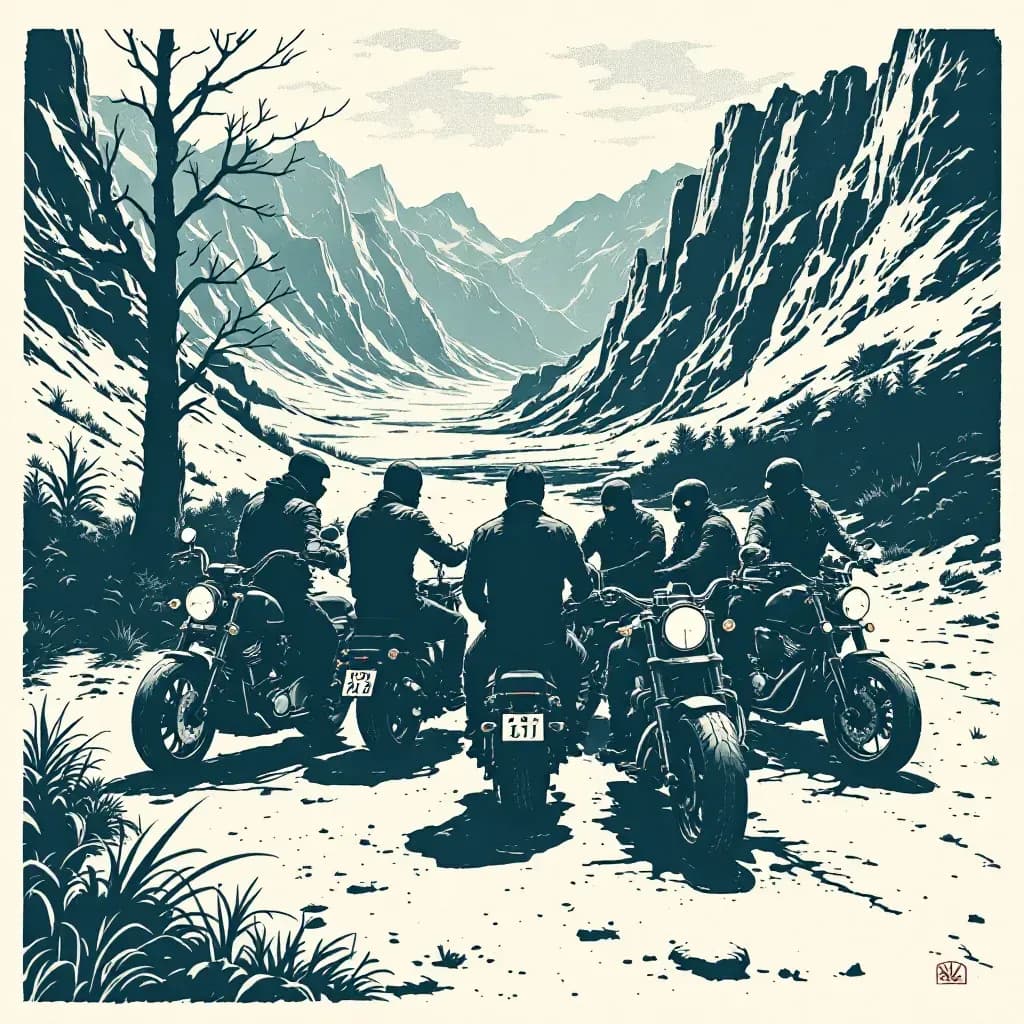
A 'rocker' is not a defined legal term in criminal law, but rather slang from motorcycle club culture referring to the curved patches worn above and below a club's center patch on a vest or jacket. The top rocker typically displays the club name, while the bottom rocker shows geographic territory or chapter location. In true crime discourse, the term appears primarily in investigations of outlaw motorcycle gangs (OMGs), where the wearing of certain rockers can indicate membership in organizations engaged in criminal activity.
The confusion between 'rocker' and the legal term 'racketeering' likely stems from phonetic similarity. Racketeering is the actual criminal law concept relevant to organized crime prosecution. Under the Racketeer Influenced and Corrupt Organizations Act, racketeering refers to engaging in a pattern of criminal activity through an enterprise. This federal statute targets sustained criminal conduct by organized groups, which has been applied to motorcycle gangs and other criminal organizations.
When rockers become legally relevant, it is typically as evidence of gang affiliation in racketeering or conspiracy cases. Law enforcement may use photographs of defendants wearing specific club rockers to establish membership in a criminal enterprise. The patches themselves carry no inherent criminality, but they can demonstrate organizational structure and territorial claims central to proving RICO violations.
In true crime literature, 'rocker' appears in descriptive accounts of motorcycle gang culture and law enforcement efforts against OMGs. The term helps identify club hierarchy and allegiances, which becomes significant when prosecutors must prove the existence of an enterprise and pattern of racketeering activity under federal organized crime statutes.