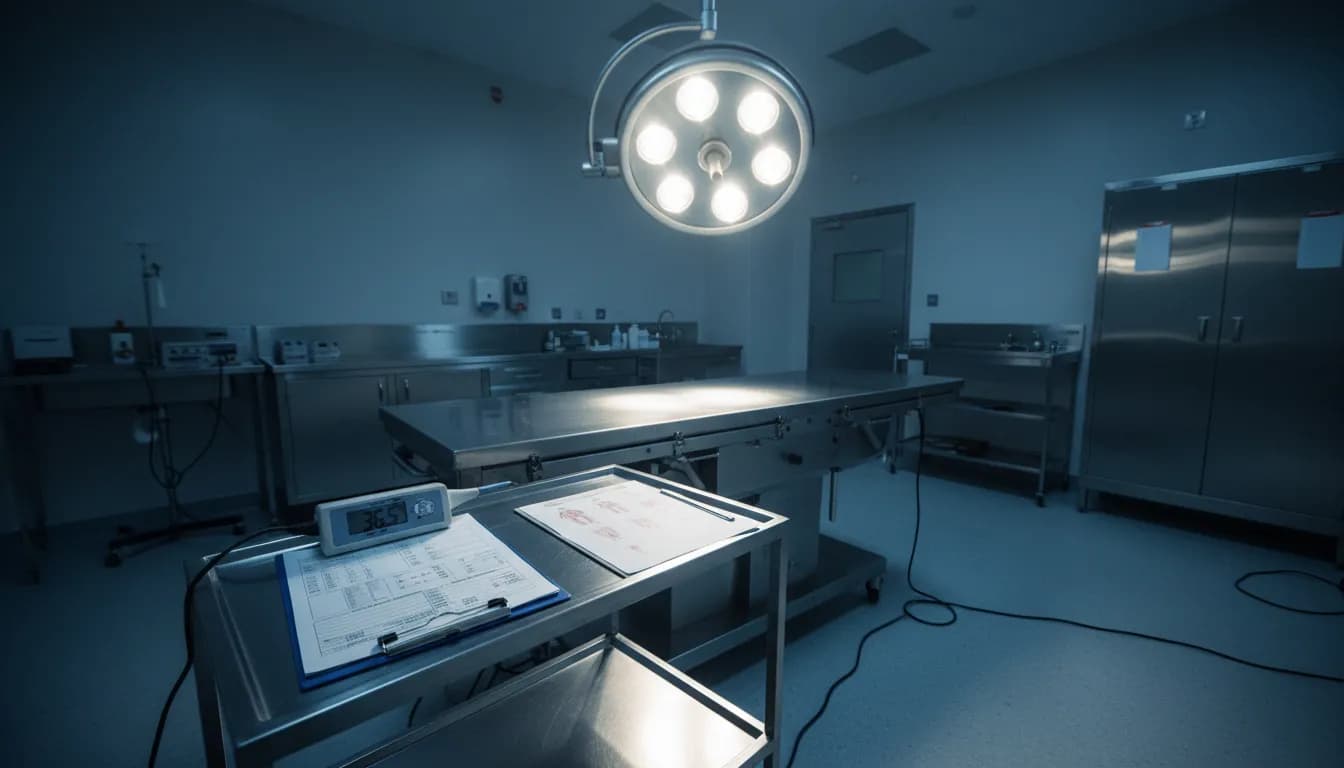
Forensic methodology regarding frozen bodies
Forensic examination protocols applied to bodies that have been frozen or stored at low temperatures, addressing unique challenges in determining time of death, injury assessment, and evidence preservation.
Definition
Retsmedicinsk metodik vedrørende frosne lig refers to the specialized forensic pathology procedures used when examining human remains that have been frozen, either deliberately or through environmental exposure. This is not a defined legal term in U.S. federal criminal law, but rather a practical forensic science methodology that becomes legally significant when frozen remains constitute evidence in criminal investigations.
When a body has been frozen, standard forensic techniques for estimating time of death become unreliable, as freezing halts or significantly alters the normal processes of decomposition, rigor mortis, and livor mortis. Forensic pathologists must employ alternative methods, including examination of ice crystal formation in tissues, assessment of freezer burn patterns, and analysis of the body's thawing process. The presence and distribution of ice crystals can indicate whether freezing occurred ante-mortem or post-mortem, which may be crucial in determining cause and manner of death.
In true crime contexts, frozen remains present both challenges and opportunities for investigators. Freezing can preserve biological evidence such as DNA, toxicological samples, and trace evidence that might otherwise degrade. However, ice crystal formation can damage tissue structures, potentially obscuring injuries or altering wound characteristics. Controlled thawing protocols are essential to minimize additional tissue damage and preserve evidentiary value.
Under U.S. federal law, the legal significance of frozen remains typically arises in the context of evidence handling and chain of custody requirements rather than through specific statutes addressing frozen bodies. Federal investigators must ensure proper documentation, storage, and examination procedures to maintain the admissibility of forensic findings in court. Tampering with, concealing, or destroying human remains that constitute evidence in a federal investigation may constitute obstruction of justice or evidence destruction under provisions such as 18 U.S.C. § 1519.
The methodology requires interdisciplinary collaboration between forensic pathologists, criminalists, and law enforcement to interpret findings correctly. Factors such as freezer temperature, duration of freezing, and whether the body was clothed or wrapped must all be documented and considered in the forensic analysis.