frifundet
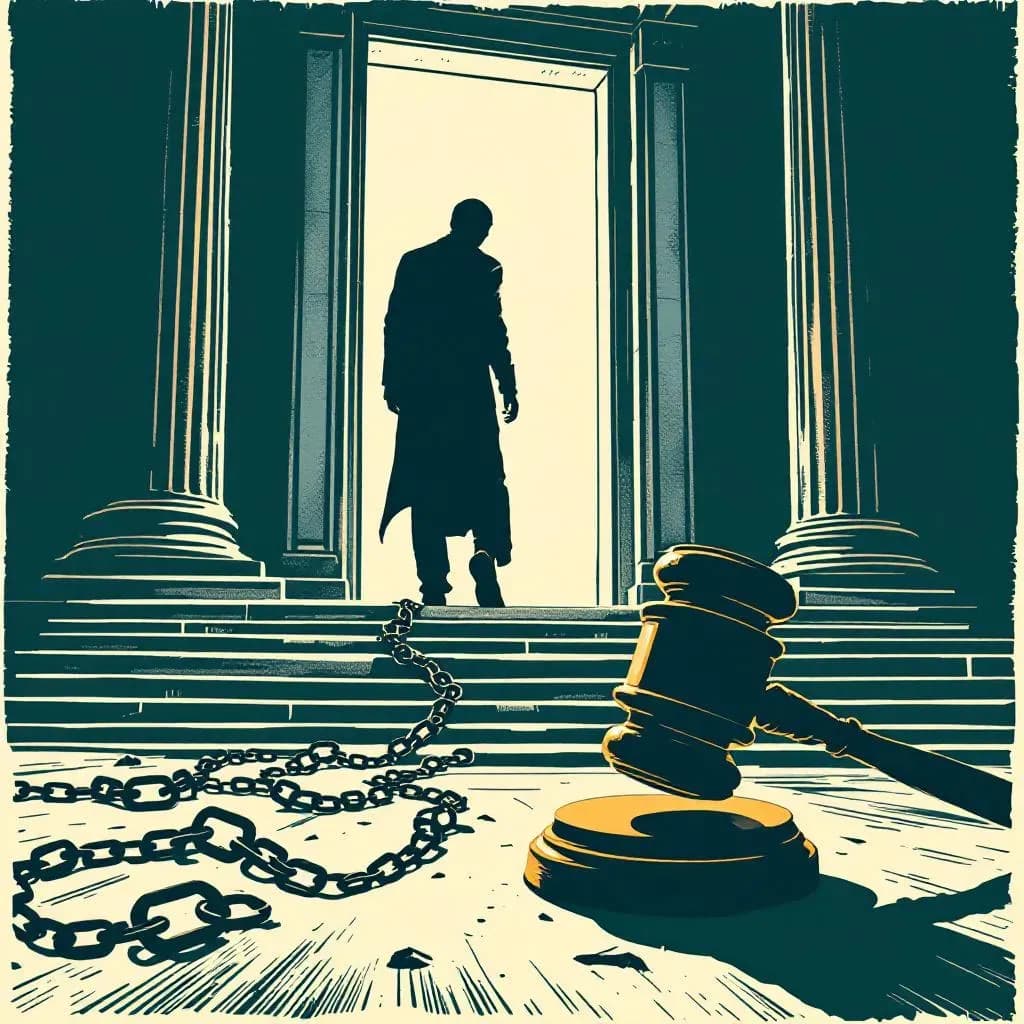
A verdict of not guilty in a criminal trial, meaning the defendant has been cleared of all charges and criminal liability for the offense charged.
Definition
Frifundet (acquitted) means the defendant has been found not guilty by a judge or jury in a criminal trial. An acquittal is a complete vindication on the criminal charge brought by the prosecution, resulting in the defendant being released from criminal liability for that specific offense. It represents the conclusion of a trial in the defendant's favor, distinct from other outcomes such as case dismissal or charges being dropped before trial.
In U.S. federal criminal procedure, an acquittal occurs when the factfinder—whether a jury in a jury trial or a judge in a bench trial—determines that the government has failed to prove the defendant's guilt beyond a reasonable doubt. This burden of proof rests entirely on the prosecution, and the defendant is not required to prove innocence. When the evidence does not meet this exacting standard, the result is acquittal.
The legal effect of an acquittal is immediate and permanent for that charge. The defendant cannot be retried for the same offense due to the Double Jeopardy Clause of the Fifth Amendment to the U.S. Constitution, which prohibits multiple prosecutions for the same crime after acquittal. This constitutional protection ensures finality and prevents the government from subjecting defendants to repeated trials on charges of which they have been cleared.
An acquittal should be distinguished from other case outcomes. A dismissal occurs when a judge ends a case before trial, often on procedural or legal grounds unrelated to the defendant's guilt or innocence. Similarly, charges may be dropped by prosecutors before trial, which is not the same as a jury or judge affirmatively finding the defendant not guilty. Only an acquittal following trial creates the full double jeopardy protection and represents a formal judicial determination of not guilty.
In true crime contexts, the term frifundet highlights cases where, despite public suspicion or circumstantial evidence, the legal system has formally cleared the accused. The acquittal may be controversial or disputed in public discourse, but legally it means the individual is innocent in the eyes of the law for that charge. No criminal penalty or conviction can attach to an acquitted charge, and the defendant's legal status is as if the prosecution never occurred.