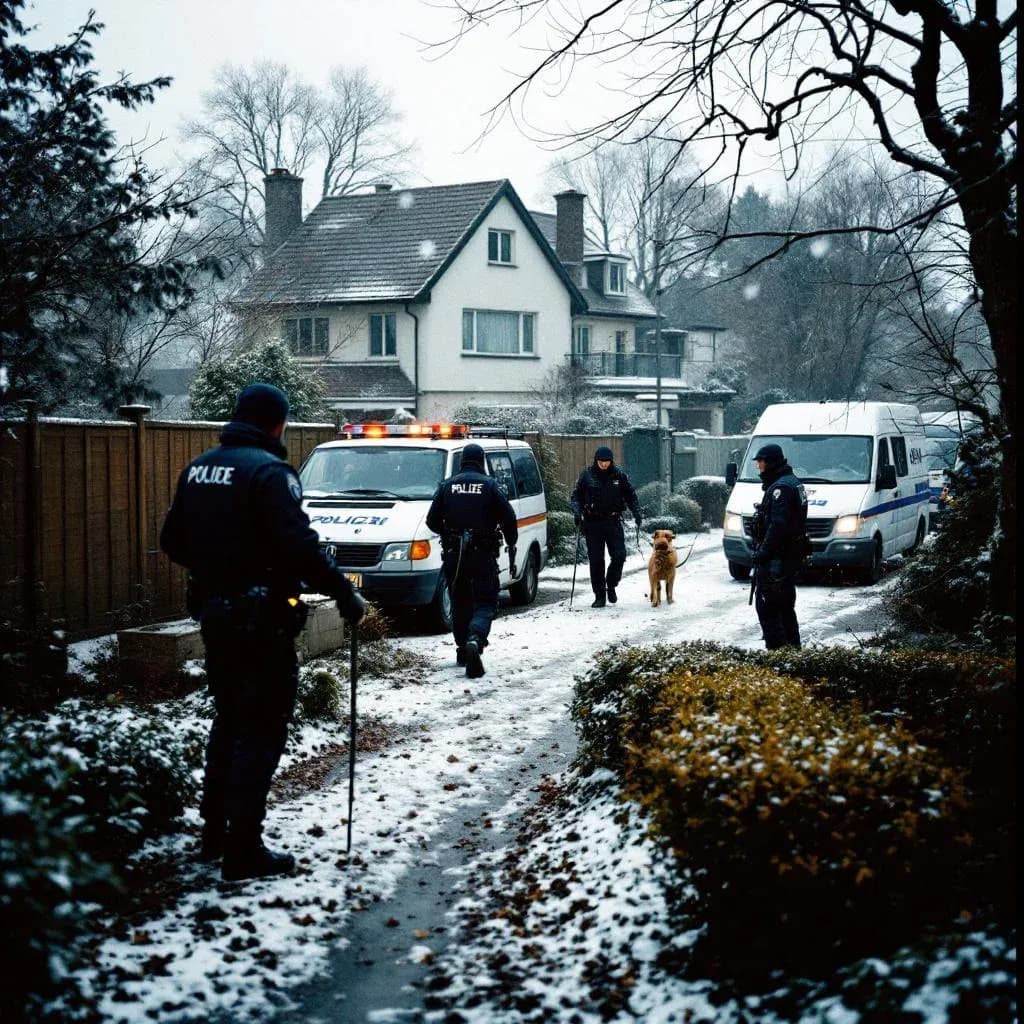
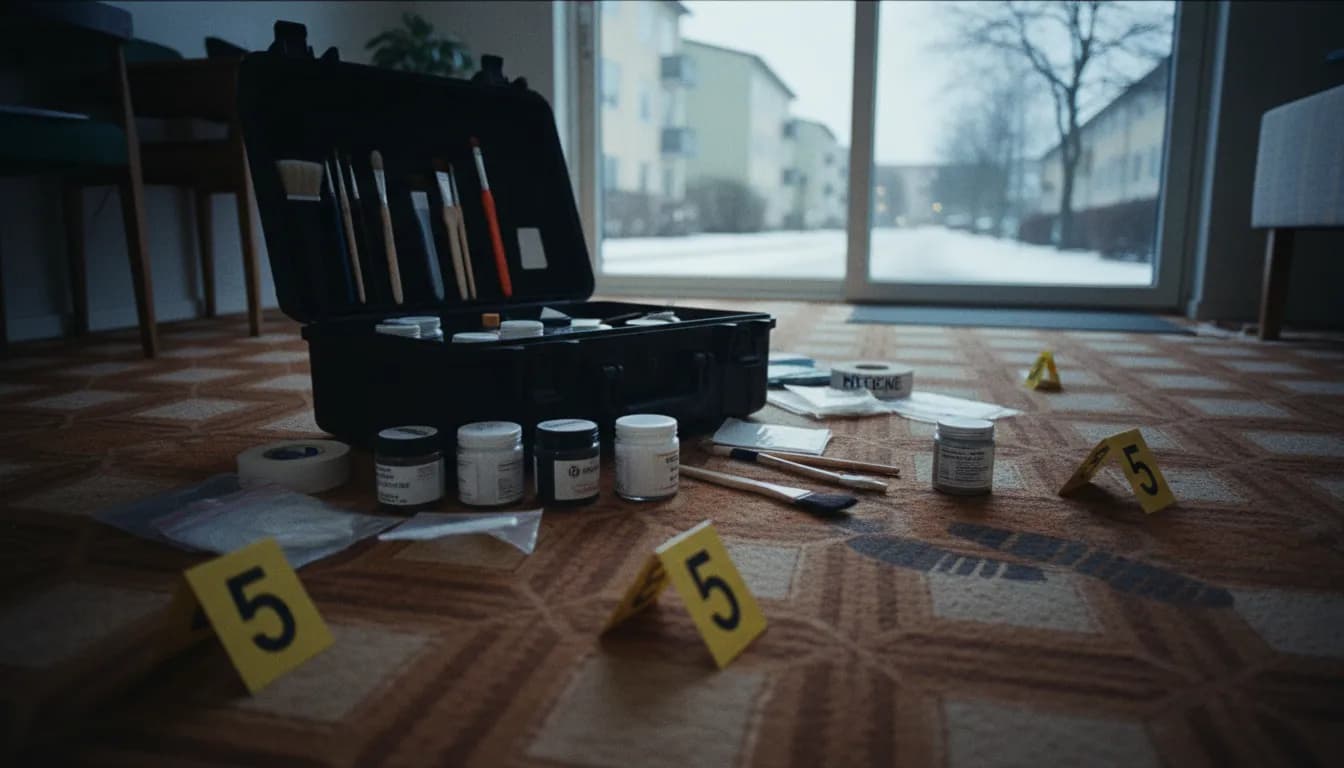
investigation
A formal inquiry by law enforcement authorities to gather facts and evidence regarding suspected criminal activity, conducted under legal standards that vary by investigative stage and jurisdiction.
Definition
An investigation is a systematic process by which law enforcement authorities collect facts, interview witnesses, examine physical evidence, and analyze information to determine whether a crime has been, is being, or will be committed. In federal criminal law, investigations are conducted by agencies such as the FBI, DEA, ATF, and other authorized bodies under the authority of the Attorney General and specific statutory mandates.
Federal investigations may be initiated when facts or circumstances reasonably indicate that a federal crime has occurred or is occurring. This threshold, established in the FBI's General Crimes Guidelines, requires specific and articulable facts rather than mere suspicion or hunches, though it falls below the probable cause standard required for arrest or search warrants. The reasonable indication standard allows investigators to pursue preliminary inquiries and develop information that may later support more intrusive investigative techniques or criminal charges.
The investigative process typically involves multiple stages and techniques, including witness interviews, surveillance, document review, forensic analysis, and coordination with prosecutors. Federal investigators work closely with Assistant United States Attorneys to ensure that evidence is collected in accordance with constitutional requirements and that the developing case supports potential criminal charges. Investigators may employ various tools authorized by statute and court order, including subpoenas, search warrants, wiretaps, and other electronic surveillance methods, each governed by distinct legal standards.
In true crime contexts, the term investigation encompasses the entire process of examining a suspected offense, from initial response to crime scenes through the development of evidence sufficient to identify perpetrators and support prosecution. This broader usage includes not only official law enforcement inquiries but also journalistic, private, and cold case investigations that may operate outside formal criminal justice channels. The quality and thoroughness of an investigation often determines whether crimes are solved, whether prosecutions succeed, and whether wrongful convictions are identified and corrected.