kriminalteknisk efterforskning
The scientific examination and analysis of physical evidence from crime scenes using laboratory methods, including DNA analysis, fingerprinting, ballistics, toxicology, and digital forensics to support criminal investigations and prosecution.
Definition
Forensic investigation is the systematic application of scientific and technical methods to examine evidence from crime scenes and other locations relevant to criminal cases. This process encompasses the identification, collection, preservation, and laboratory analysis of physical traces that can connect suspects, victims, and locations to criminal events. Federal law recognizes forensic investigation as a core component of law enforcement technology under 6 U.S.C. § 163, which defines it as part of investigative and forensic technologies that support the judicial process.
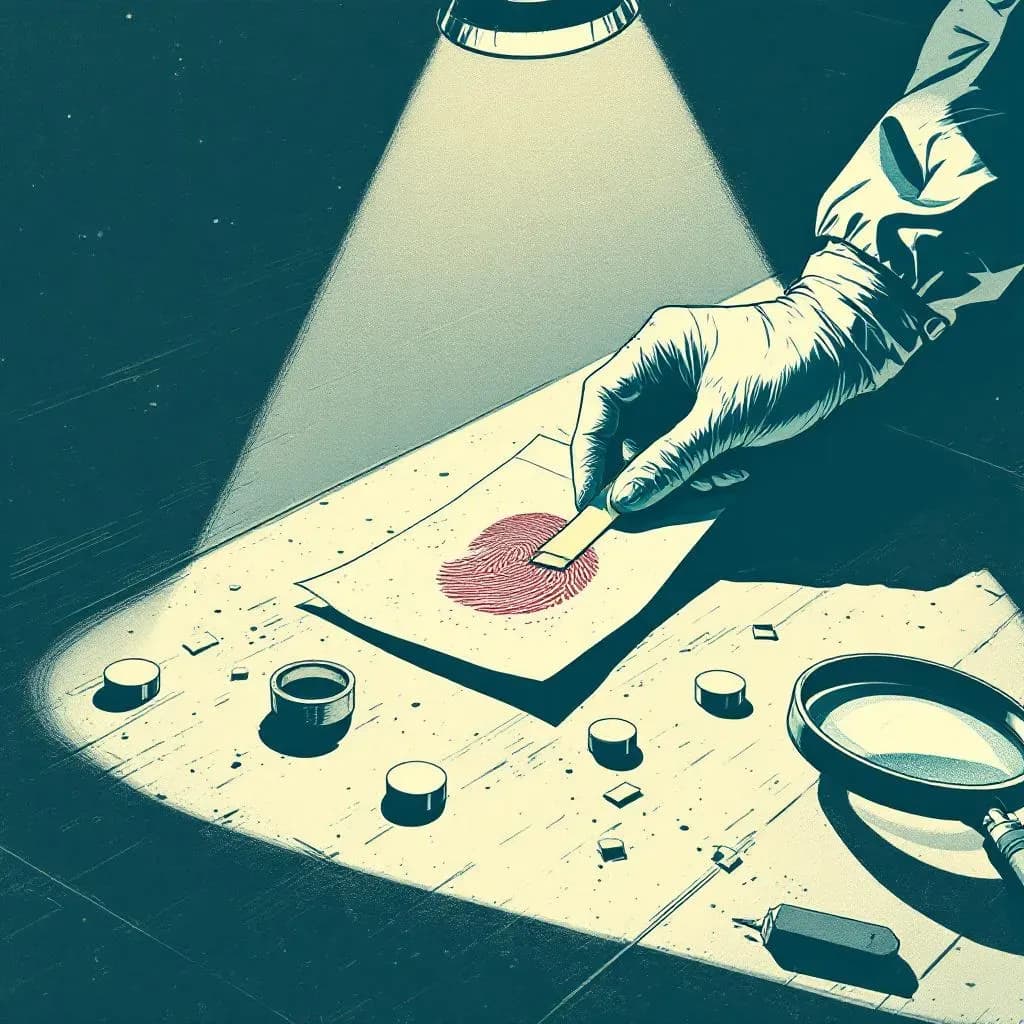
The scope of forensic investigation includes multiple specialized disciplines. DNA analysis examines biological material to identify individuals or establish genetic relationships. Fingerprint examination compares ridge patterns from crime scenes with known prints in databases. Ballistics analysis studies firearms, ammunition, and gunshot residue to link weapons to specific crimes. Trace evidence examination involves fibers, hair, glass, paint, and soil that can transfer between people, objects, and locations. Digital forensics recovers and analyzes data from computers, mobile devices, and networks. Toxicology testing detects drugs, poisons, and other substances in biological samples.
Forensic investigations are conducted by specially trained personnel in law enforcement agencies and independent laboratories. At the federal level, the FBI Laboratory, the Drug Enforcement Administration laboratories, and the Bureau of Alcohol, Tobacco, Firearms and Explosives laboratories perform forensic examinations for federal criminal cases. State and local jurisdictions maintain their own crime laboratories or contract with regional facilities. The Department of Justice emphasizes that forensic science should produce objective, scientifically valid results that can withstand scrutiny in court.
The admissibility of forensic evidence in federal court is governed by the Federal Rules of Evidence, particularly Rule 702 regarding expert testimony. Courts evaluate whether forensic methods are scientifically reliable and whether examiners are properly qualified. The results of forensic investigations form crucial evidence in prosecutions, often providing the physical link between defendants and crimes that testimonial evidence alone cannot establish. Defense attorneys may challenge forensic findings through their own expert witnesses or by questioning laboratory procedures, chain of custody, and the limitations of particular forensic methods.