kultfænomen
A work, case, or figure in true crime that has developed a small but intensely devoted and sustained following, often outside mainstream popularity.
Definition
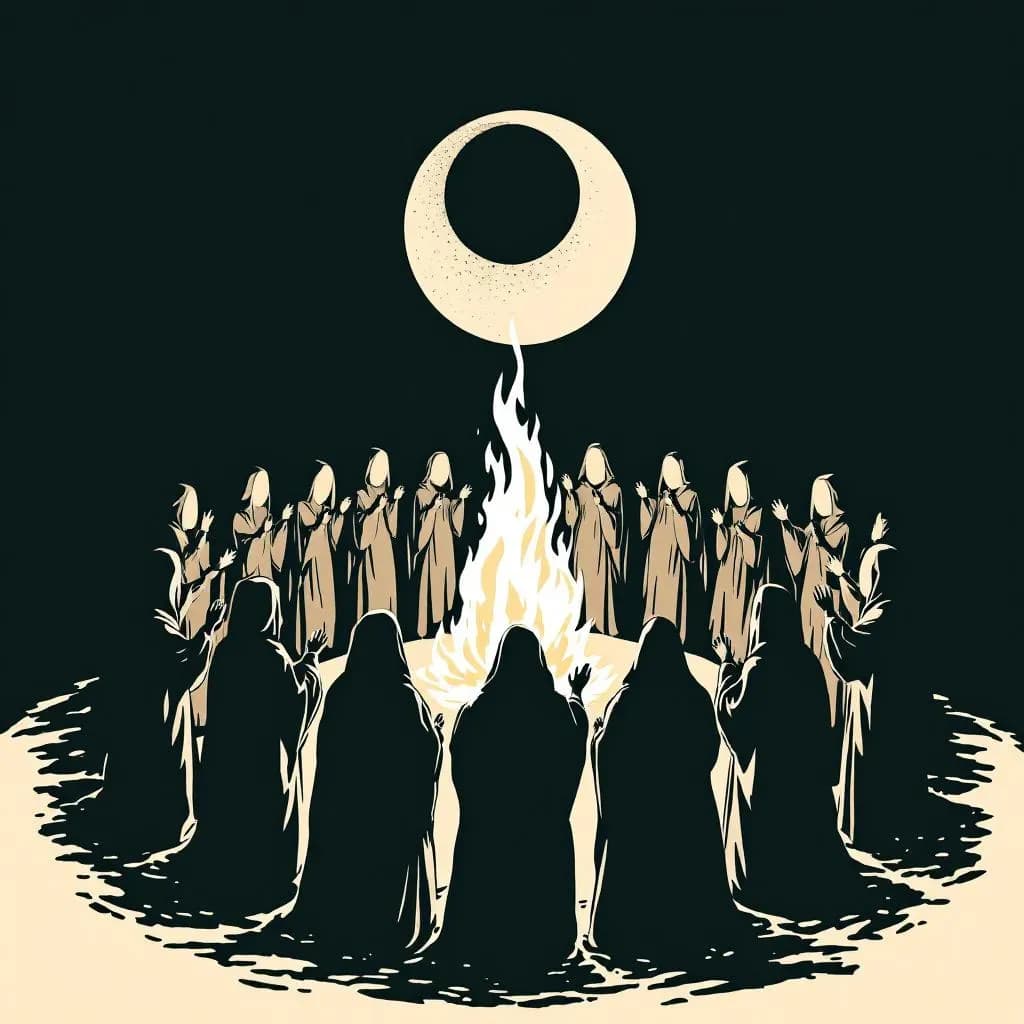
A cult phenomenon in true crime refers to content—whether a documentary, podcast, book, or criminal case—that attracts a dedicated, passionate audience rather than mass appeal. The term "cult" here derives from cultural studies, not criminal law, and describes fandoms characterized by deep engagement, repeat consumption, and community formation around niche subjects. Examples include lesser-known unsolved mysteries, obscure serial killer cases, or experimental true crime formats that resonate strongly with specific audiences.
The phenomenon often emerges when content challenges conventional true crime narratives, explores taboo subjects in unconventional ways, or provides unusual access to criminal psychology. Fans of cult true crime works typically engage in active interpretation, online discussion, and amateur investigation, forming communities that sustain interest long after initial release. This sustained engagement distinguishes cult followings from viral or mainstream success, which tends to be broader but more ephemeral.
In the context of actual criminal cults—religious or ideological groups involved in illegal activity—federal law addresses specific acts rather than group membership itself. Prosecutions typically invoke existing statutes covering the underlying crimes: kidnapping under 18 U.S.C. § 1201, conspiracy under 18 U.S.C. § 371, or forced labor under 18 U.S.C. § 1589. The First Amendment protects freedom of association and religion, so American law does not criminalize cult membership per se, only demonstrable criminal conduct.
True crime coverage of actual cults—such as Jonestown, Heaven's Gate, or NXIVM—often itself becomes a cult phenomenon in the media sense, creating layered audience engagement with both the criminal events and their dramatization. This dual meaning can cause confusion but reflects how the term "cult" operates differently in popular culture versus criminal jurisprudence.