uopklaret dødsfald
An unsolved death refers to a fatality where the circumstances, cause, or responsible party remain undetermined by law enforcement. It represents an investigative status rather than a distinct legal classification under U.S. federal criminal law.
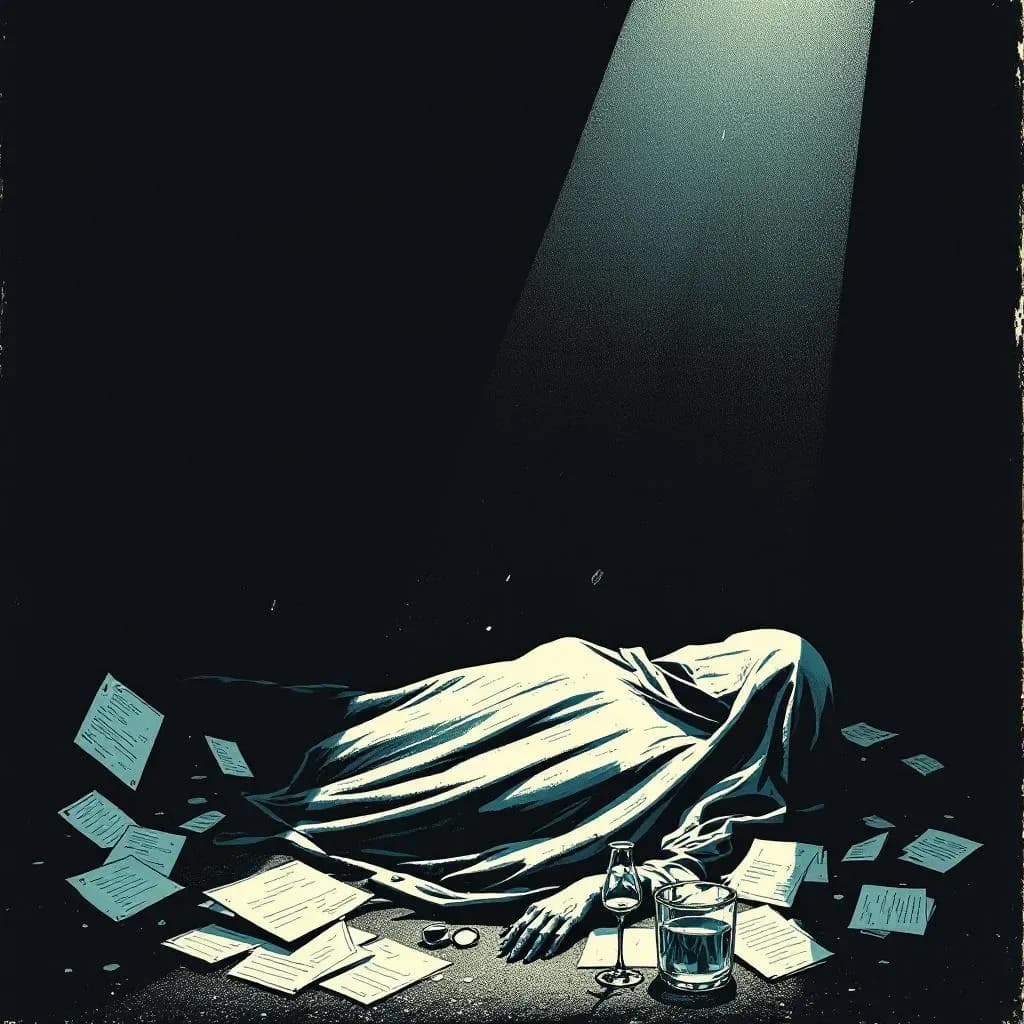
Definition
An unsolved death is a death case where critical questions—such as manner of death, identity of perpetrator, or criminal classification—remain unresolved despite investigation. The term describes an investigative outcome rather than a formal legal category in federal statute. In true crime contexts, it encompasses homicides where no suspect has been identified or prosecuted, deaths where the manner remains undetermined, and cases closed without sufficient evidence to support criminal charges.
Under U.S. federal criminal law, the classification of a death as criminal depends on whether it meets statutory definitions such as murder under 18 U.S.C. § 1111, which requires proof of unlawful killing with malice aforethought. An unsolved death may eventually be classified as murder, manslaughter, or ruled non-criminal, but until investigation establishes the facts and legal elements, it remains in an undetermined status. Federal jurisdiction over such deaths typically arises only in specific circumstances, such as killings on federal property, of federal officials, or involving interstate criminal activity.
The investigative status of an unsolved death can persist indefinitely. Law enforcement agencies maintain cold case units dedicated to reviewing unsolved homicides using new evidence, forensic advances, or witness testimony that emerges years or decades later. The absence of statute of limitations for murder under federal law means that prosecution remains possible regardless of time elapsed, provided sufficient evidence eventually surfaces to establish guilt beyond reasonable reasonable doubt.
In practical terms, many deaths initially treated as unsolved are later resolved through renewed investigation, advances in DNA technology, or confessions. Others remain permanently unsolved due to lack of witnesses, physical evidence, or investigative leads. The term carries significant weight in true crime discourse, representing both the limitations of criminal justice systems and the enduring impact on victims' families who seek closure and accountability.