Podcast
The Lawyer Who Played Both Sides: Nicola Gobbo's Secret Life
How an Australian lawyer represented dangerous criminals while secretly informing to police—and what it means for justice
How an Australian lawyer represented dangerous criminals while secretly informing to police—and what it means for justice
Rachael Brown's award-winning podcast Trace exposes how Melbourne lawyer Nicola Gobbo maintained a double life as both criminal defense attorney and police informer, raising fundamental questions about fair trials and legal ethics in Australia's justice system.
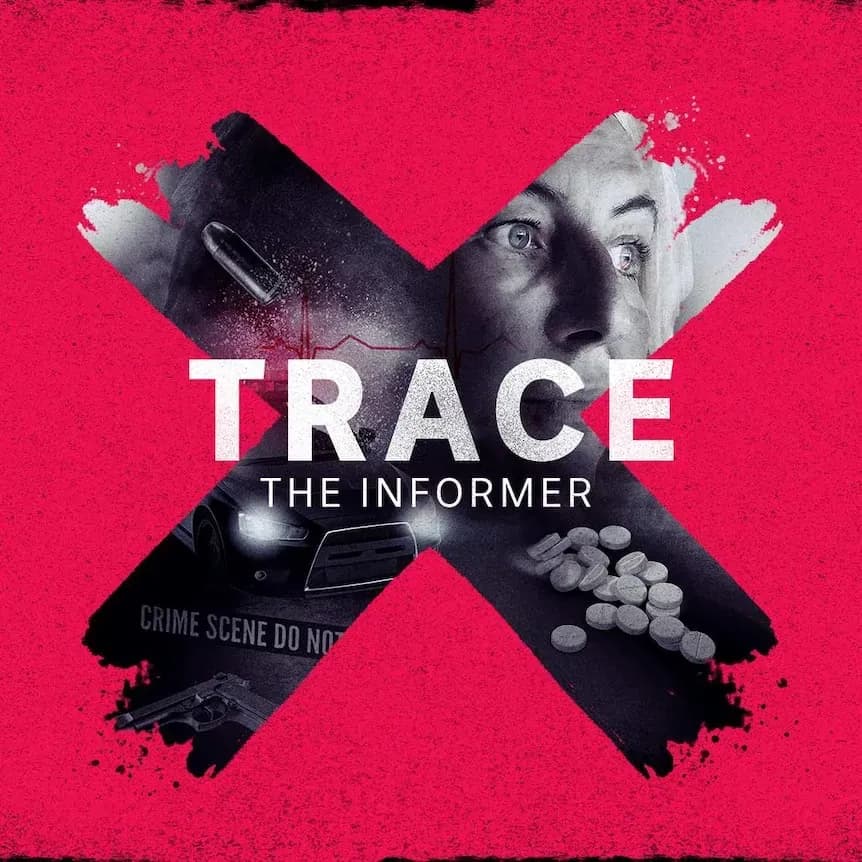
Melbourne lawyer Nicola Gobbo represented some of Australia's most dangerous criminals—while secretly working as a police informer. Her exposed double life became the subject of Season 2 of Trace, the multi-award-winning Australian true crime investigative podcast hosted by Rachael Brown and co-reported by Josie Taylor.
Gobbo's cover was blown spectacularly, triggering worldwide media attention and raising uncomfortable questions about the integrity of Victoria's justice system. The revelation prompted legal appeals from her former clients, with at least one man released from jail and more appeals pending. Yet throughout the firestorm, Gobbo remained largely silent—until she granted her only media interview since going into hiding to Rachael Brown for Trace.
The central mystery Trace explores cuts to the heart of legal ethics: Why did Gobbo become an informer in the first place? How was such an arrangement permitted to exist? Whose side was she actually on? And perhaps most troublingly, did she violate the fundamental rules that protect attorney-client confidentiality—the cornerstone of any functioning legal system?
The implications are staggering. If a lawyer can simultaneously represent clients and report them to police, the entire concept of legal representation collapses. Defendants cannot openly discuss their cases, their strategies, or their defenses with someone they believe is bound by privilege and duty to protect their interests. The trust necessary for justice to function becomes impossible.
Victoria Police faces serious questions about whether they knowingly undermined the law in their efforts to convict criminals. The arrangement with Gobbo—if it operated as exposed—suggests authorities may have prioritized convictions over the procedural fairness that distinguishes legitimate justice systems from authoritarian ones.
The fallout has exposed structural vulnerabilities in how Australia handles informants and legal representation. It highlights the tension between law enforcement's practical need for intelligence and the legal system's theoretical commitment to fair trials. When those interests collide, as they did with Gobbo, the consequences ripple through courtrooms and prison cells.
For those who followed her cases, the revelation transformed understanding of their own trials. Clients believed they had confidential legal counsel; instead, their communications may have been funneled directly to the authorities prosecuting them. The asymmetry is profound and deeply troubling to principles of justice.
Trace investigates not just what happened, but why the system allowed it to happen. The podcast examines the pressures, incentives, and institutional failures that created space for this extraordinary breach of legal ethics. Brown and Taylor's reporting provides rare insight into how one lawyer navigated—or failed to navigate—the impossible position of serving two masters.
The story matters far beyond Australia. Internationally, it raises questions about how legal systems protect the fundamental right to fair representation. If Victoria's system failed to prevent Gobbo's arrangement, what safeguards exist elsewhere? How do other jurisdictions ensure lawyers remain independent advocates rather than extensions of law enforcement?
Gobbo's case also exposes the human element often missing from discussions of legal ethics. What pressures drove her to this position? What did she believe she was accomplishing? How did she reconcile the contradiction of her role? These questions don't excuse her actions but contextualize them within a real person's choices and circumstances.
Trace Season 2 ultimately tells a story about institutional accountability, legal ethics, and what happens when the system designed to protect suspects fails catastrophically. It's an investigation into how far an individual can operate outside established rules before consequences become unavoidable—and what those consequences reveal about the system itself.
**Sources** - https://podcasts.apple.com/dk/podcast/trace/id1249219269?l=da - https://open.spotify.com/show/0pErq1j3R6iApNoStYJN9V