Night Stalker: the dark realities of the hunt
Introduction to Night Stalker: hunt for a serial killer
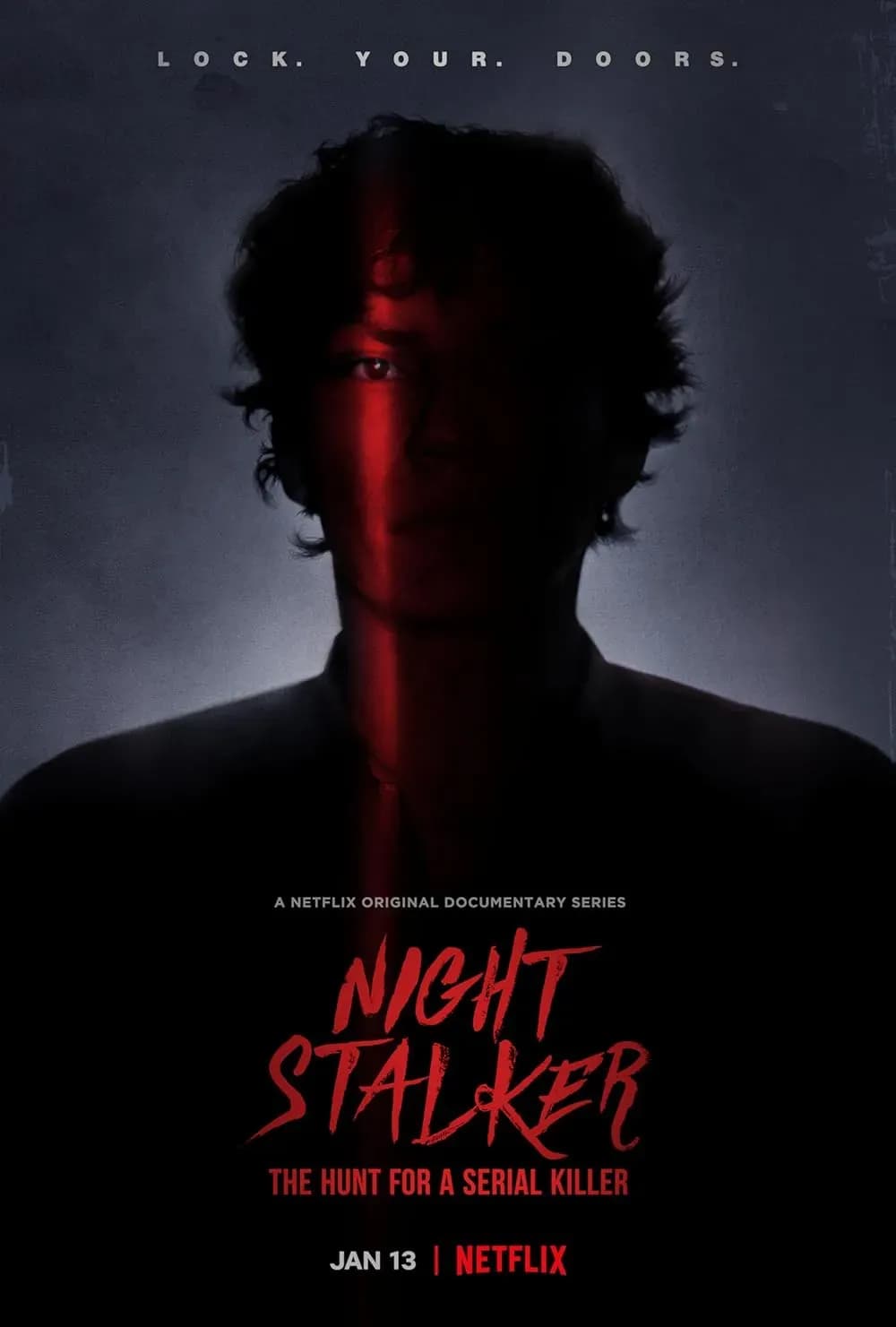
In a city shrouded in darkness, a man terrorized his victims mercilessly as fear spread faster than the shadows. This sets the stage for the Netflix documentary series Night Stalker: The Hunt for a Serial Killer, which piques our curiosity and portrays the intense pursuit of justice. Released on January 13, 2021, the series follows the terrifying search for the serial killer Richard Ramirez, who instilled fear in Southern California over 14 chilling months in the mid-1980s. With a candid approach, director Tiller Russell delivers a four-part series that combines interviews, archival footage, and carefully staged reconstructions, all available exclusively on Netflix, to let viewers experience the intense police work.
Collaboration and conflict in solving the Ramirez case
The series navigates through the complex web of police work involving detectives Gil Carrillo and Frank Salerno from the Los Angeles Sheriff's Department. Carrillo brings a fresh, young perspective, while Salerno is the seasoned hunter known from the 'Hillside Strangler' case. Their courageous battle against the press and a one-of-a-kind killer highlights how previously overlooked details and crime scene evidence were transformed into leads through meticulous police work. The series doesn't shy away from shedding light on the frustrations and mistakes that occurred, including issues in cooperation between police units.
Night Stalker's critique of police procedures and media handling
Praised by critics for placing the victims at the center, Night Stalker avoids the pitfall of glamorizing Ramirez's brutal crimes. However, the series also raises the question of whether the use of visual recreations in the true crime genre can become sensational. The series challenges our understanding of how media and authorities handle the frightening realities. For its critique of police procedures and focus on the victims' stories, the documentary renewed the debate about what we as a society choose to remember from the stories we consume.