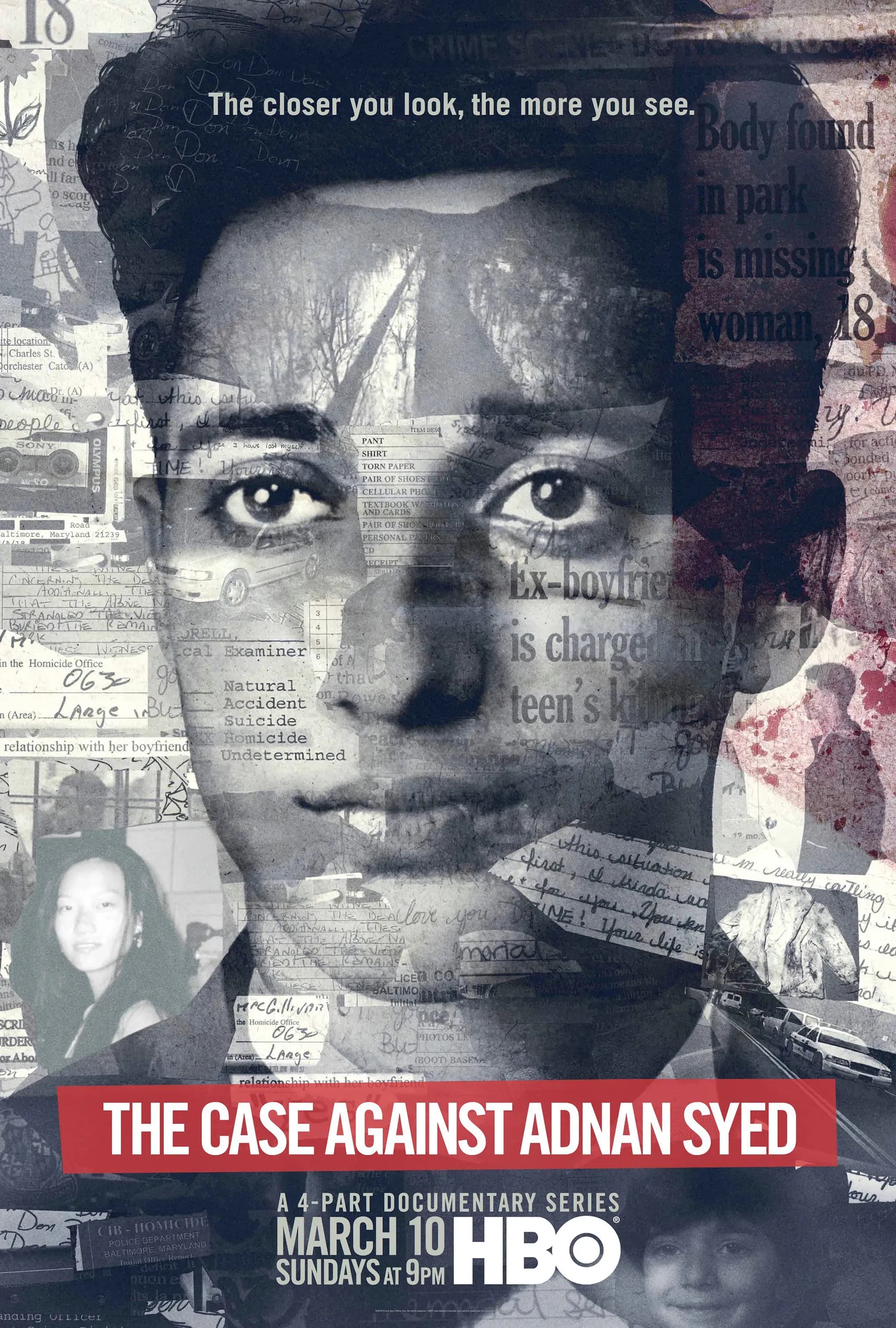
The Case Against Adnan Syed: exposing the justice system's flaws
Adnan Syed and the unresolved murder of Hae Min Lee
In a cold January in 1999, Hae Min Lee vanished from her life in Baltimore, only to be found strangled in Leakin Park weeks later. Her ex-boyfriend, Adnan Syed, was convicted of this tragic murder based on shaky evidence and disputed phone records. The documentary series 'The Case Against Adnan Syed' from 2019 revisits this complex case with fresh eyes. Directed by Amy J. Berg and produced alongside Rabia Chaudry, who also played a pivotal role in the groundbreaking podcast 'Serial', it is available on streaming platforms like HBO Nordic, Apple TV, and Amazon Prime. Over four intense hours, the series combines new investigations, exclusive interviews, and vivid reconstructions, adding a layered depth to the narrative.
Visual elements and questions of justice
Diving into the series' storytelling style reveals how its visual dimensions create an emotional depth that sets it apart from its podcast predecessor. The series highlights systematic irregularities in the trial that Syed's original defense lawyer failed to address, including unsuccessful attempts to call essential alibi witnesses. These elements raise timely doubts about whether justice was served. However, the series is criticized for a potentially one-sided portrayal, especially given Chaudry's strong belief in Syed's innocence, which might affect its objectivity. Dramatic highlights, such as issues in the autopsy report and questionable mobile evidence, are not new to those who have heard 'Serial', but they gain a new, urgent dimension in the series' compelling visual format.
The series' cultural and legal aftermath
Since its debut, 'The Case Against Adnan Syed' has caused a stir both culturally and legally. With its in-depth exploration of the case, the series has drawn attention to system failures, leading in 2022 to a temporary overturning of Syed's conviction. However, it was reinstated in 2023 due to legal formalities and lack of information to the victim's family. The documentary fosters lively debate about the media's influence and responsibility in legal cases and demonstrates how journalism and documentaries can shape our understanding of justice and guilt. In open dialogue with formats like 'Serial', the series sheds light on broader questions of race, legal safety, and power structures in our modern society.