How Scandinavia Is Revolutionizing Criminal Profiling With DNA Science
A new Danish television series examines the intersection of psychological analysis and genetic forensics in solving cold cases
By
Susanne SperlingA new Danish television series examines the intersection of psychological analysis and genetic forensics in solving cold cases
Across Scandinavia, a quiet revolution is reshaping how police departments approach unsolved crimes. Where traditional detective work once dominated criminal investigations, a new generation of forensic experts is merging psychological criminal profiling with cutting-edge DNA analysis—a combination that is proving devastatingly effective at cracking cases that seemed destined to remain mysteries.
A new television series emerging from Denmark places this intersection at center stage, examining how modern profiling techniques and genetic science are transforming criminal investigations. The documentary pulls back the curtain on methodologies that remain less understood in the English-speaking world, revealing the sophisticated psychological and scientific frameworks that Nordic law enforcement agencies deploy when traditional leads run dry.
Criminal profiling itself is not new. The discipline emerged in the 1970s when the FBI's Behavioral Analysis Unit began studying serial killers to understand their psychology and predict their behavior. But for decades, profiling remained somewhat controversial—part psychology, part educated guesswork. The breakthrough came with DNA technology. When profilers could marry their psychological insights with concrete genetic evidence, the results became far more reliable.
In Denmark and other Nordic countries, this dual methodology has proven particularly valuable. Scandinavian criminal justice systems, which emphasize rehabilitation and community safety over purely punitive measures, have developed distinct investigative cultures. Danish police, operating within the framework of the Rigspolitiet (national police authority) and regional politikredse (police districts), often work on cases spanning years or decades. Cold cases that go unsolved in the first investigative surge often move to specialized units where profiling and genetic analysis become essential tools.
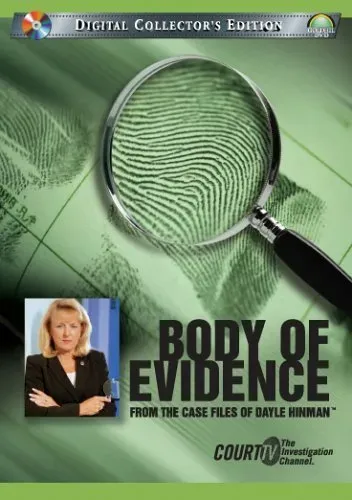
The series features insights from criminal profiler Dayle Hinman, whose expertise illuminates how psychological analysis of a perpetrator's behavior, background, and likely characteristics can narrow investigative focus. Hinman's work demonstrates that profiling is not mystical intuition but rather structured analysis based on crime scene patterns, victim selection, and behavioral markers. When this psychological profile is cross-referenced with DNA evidence—matched against regional, national, or Interpol databases—the probability of identifying a suspect increases dramatically.
Denmark's approach reflects broader Scandinavian attitudes toward forensic science. While the United States has developed massive DNA databases through various state and federal programs, Nordic countries have taken more cautious approaches to privacy. This means DNA analysis in Scandinavian cases often requires more targeted deployment, making the combination with profiling even more essential. Rather than running wholesale DNA sweeps of populations, investigators use profiling to identify the most likely suspects, then test them specifically.
The effectiveness of this methodology carries international implications. As cold cases accumulate globally—some estimates suggest millions of unsolved crimes across Western democracies—law enforcement agencies are increasingly looking to Nordic models for guidance. The British National Crime Agency, German BKA, and other European police services have adopted similar integrated approaches.
What makes this Danish documentary particularly timely is its accessibility. For international audiences unfamiliar with Scandinavian criminal justice or investigative practices, the series demystifies how modern science actually works in real investigations. It moves beyond the dramatized versions of forensic work seen in television crime dramas, showing the painstaking process of hypothesis, evidence collection, and analysis that leads to real breakthroughs.
The series also highlights an often-overlooked reality: many serious crimes are solved not through single breakthroughs but through accumulated evidence and refined investigative technique. A profiler's insight about perpetrator psychology might seem circumstantial alone, but when combined with DNA evidence, genealogical databases, or digital forensics, it becomes part of an overwhelming evidentiary mosaic.
For true crime audiences internationally, the Danish approach represents a model worth studying. It demonstrates that criminal investigation is not becoming less human—despite all our technology—but rather more sophisticated in how it integrates human insight with scientific precision. In Scandinavia's quiet professionalism and methodical approach lies a lesson for law enforcement worldwide: the future of solving crime belongs to those who can seamlessly blend the art of understanding human psychology with the science of genetic analysis.