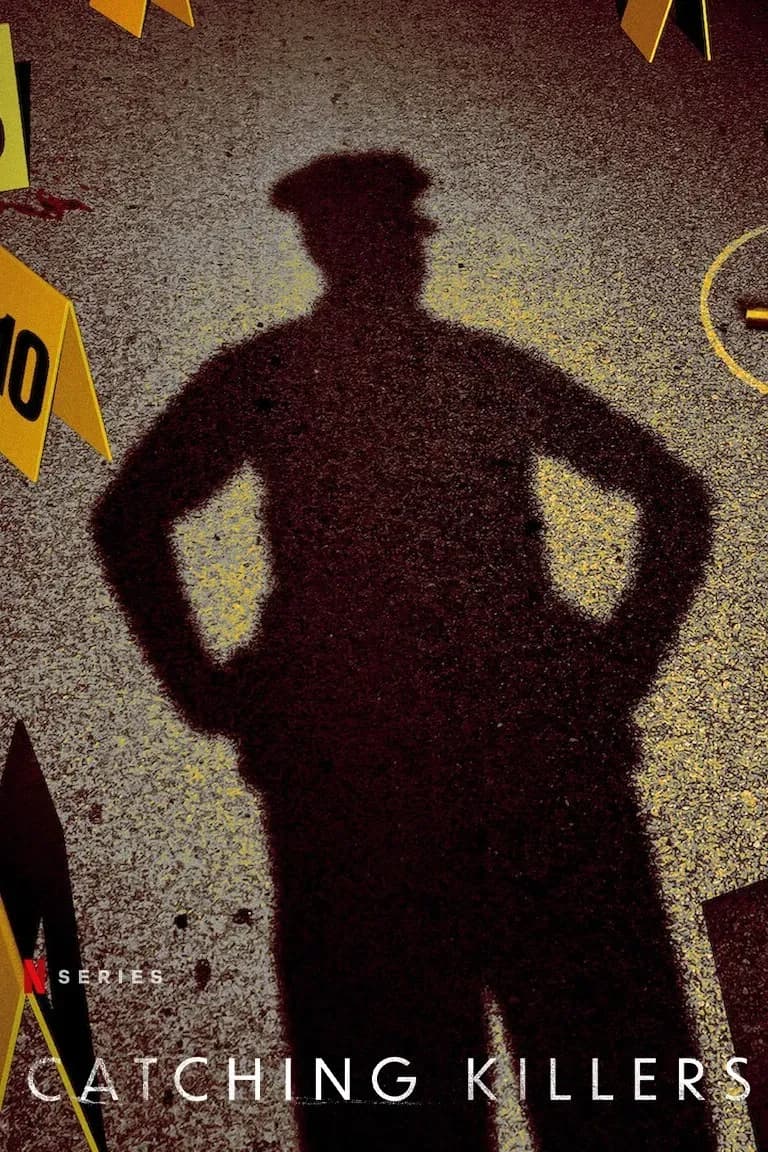
Episode 1, "Body Count: The Green River Killer," examines unsolved murders near Seattle dating to the 1980s and 1990s. The victims were predominantly commercial sex workers and young runaways—groups whose cases often receive less investigative resources. What makes this case historically significant is the sheer scale: the killer murdered more women than Ted Bundy, one of America's most infamous serial killers. The episode highlights how DNA technology ultimately resolved these decades-old crimes, demonstrating forensic science's power to deliver justice long after initial investigations stalled.
**Aileen Wuornos: The Sex Worker Who Fought Back**
Episode 2, "Manhunter: Aileen Wuornos," documents the 1989–1990 murders of seven men in Florida. Wuornos, working as a sex worker at the time, shot her victims and claimed self-defence, alleging that they had raped or assaulted her during solicitation. The investigation showcased undercover police tactics as detectives worked to piece together evidence. Wuornos was convicted of six of the seven murders and sentenced to death, ultimately executed by lethal injection in Florida.
Wuornos's case gained broader cultural recognition through the 2003 film *Monster*, in which actress Charlize Theron portrayed the killer and earned an Academy Award for Best Actress. The Netflix series, however, frames the narrative through law enforcement's lens rather than exploring the killer's motivations or tragic background.
**The Happy Face Killer: When Convictions Unravel**
Episodes 3 and 4, titled "True Lies: The Happy Face Killer," turn to an early 1990s murder case in Oregon. Initially, a couple was convicted of killing a 23-year-old woman. The conviction fell apart, however, when the actual killer's confessional letters revealed his responsibility for this murder and others. This case illustrates a critical investigative lesson: the importance of corroborating evidence and the dangers of tunnel vision, where initial suspects can obscure the true perpetrator.
**A Different Angle on True Crime**
What distinguishes Catching Killers from the saturated true crime marketplace is its deliberate emphasis on *how* cases were solved rather than *why* killers committed their crimes. By centring detectives, forensic scientists, and investigative breakthroughs, the series educates viewers on criminal procedure while respecting victims by avoiding sensationalism.
The series spans different eras, victim demographics, and geographic locations—from Pacific Northwest highways to Florida streets to Oregon towns. This breadth demonstrates that serial murder investigations require adaptability, persistence, and evolving forensic techniques.
For international audiences unfamiliar with these cases, Catching Killers provides accessible entry points into significant American criminal history. The four-part format allows sufficient depth without overwhelming viewers, making it suitable for both true crime enthusiasts and those new to the genre.
**Sources**
- https://www.ottplay.com/review/catching-killers-season-1-review-focus-is-on-the-who-and-not-the-why-in-this-true-crime-series/5b9991a780733
- https://www.elle.com/uk/life-and-culture/a38221294/netflix-criticised-for-portrayal-of-aileen-wuornos-catching-killers/
- https://www.rottentomatoes.com/tv/catching_killers/s01