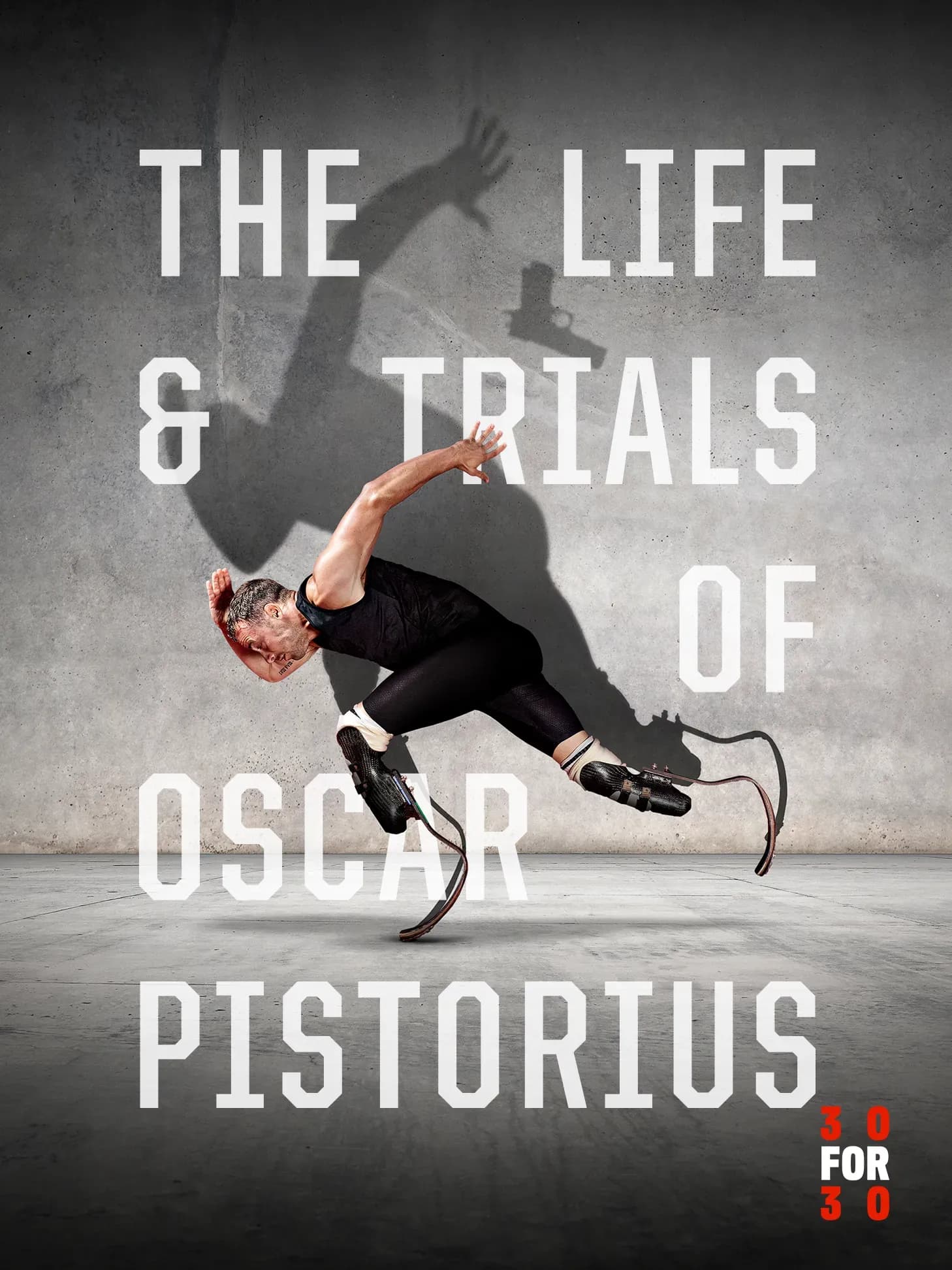
Oscar Pistorius: From Blade Runner to Convicted Murderer
How the Olympic athlete's fall from grace ended in a Valentine's Day killing and 13 years in prison
Quick Facts
On Valentine's Day 2013, Olympic sprinter Oscar Pistorius fatally shot his girlfriend, Reeva Steenkamp, in the bathroom of his Pretoria home. The incident that would unravel one of sport's most inspiring stories began with a claim: Pistorius said he mistook the paralegal and model for an intruder.
Pistorius, then 26 years old, had become an international icon as the first amputee to compete in Olympic track events. Born in Johannesburg in 1986, both his legs had been amputated below the knee when he was just 11 months old. By 2012, he was racing in the London Olympics on his carbon-fiber prosthetics—the blades that earned him the nickname "Blade Runner." He was also a multiple Paralympic gold medalist, including victories at the 2004 Athens Games.
But early on the morning of February 14, 2013, that heroic narrative shattered in a hail of gunfire. Steenkamp, 29, was in the bathroom when Pistorius fired four shots through the locked door. He later claimed he thought an intruder was hiding inside. Emergency responders found Steenkamp dead from the gunshot wounds.
The trial that followed captivated global audiences. It began on March 3, 2014, with Pistorius maintaining his intruder defense. On September 12, 2014, Judge Thandi Mngamuka handed down her verdict: guilty of culpable homicide, not murder. Pistorius was also convicted on a separate charge of reckless endangerment related to firearms. The sentence came on October 21, 2014—a maximum of five years for the killing, with an additional three-year suspended sentence for the weapons charge.
But the legal saga was far from over. The State appealed the conviction, arguing that Pistorius should have been found guilty of murder. In December 2015, South Africa's Supreme Court of Appeal agreed, upgrading his conviction to first-degree murder. The decision sent shockwaves through the case, which had divided public opinion sharply.