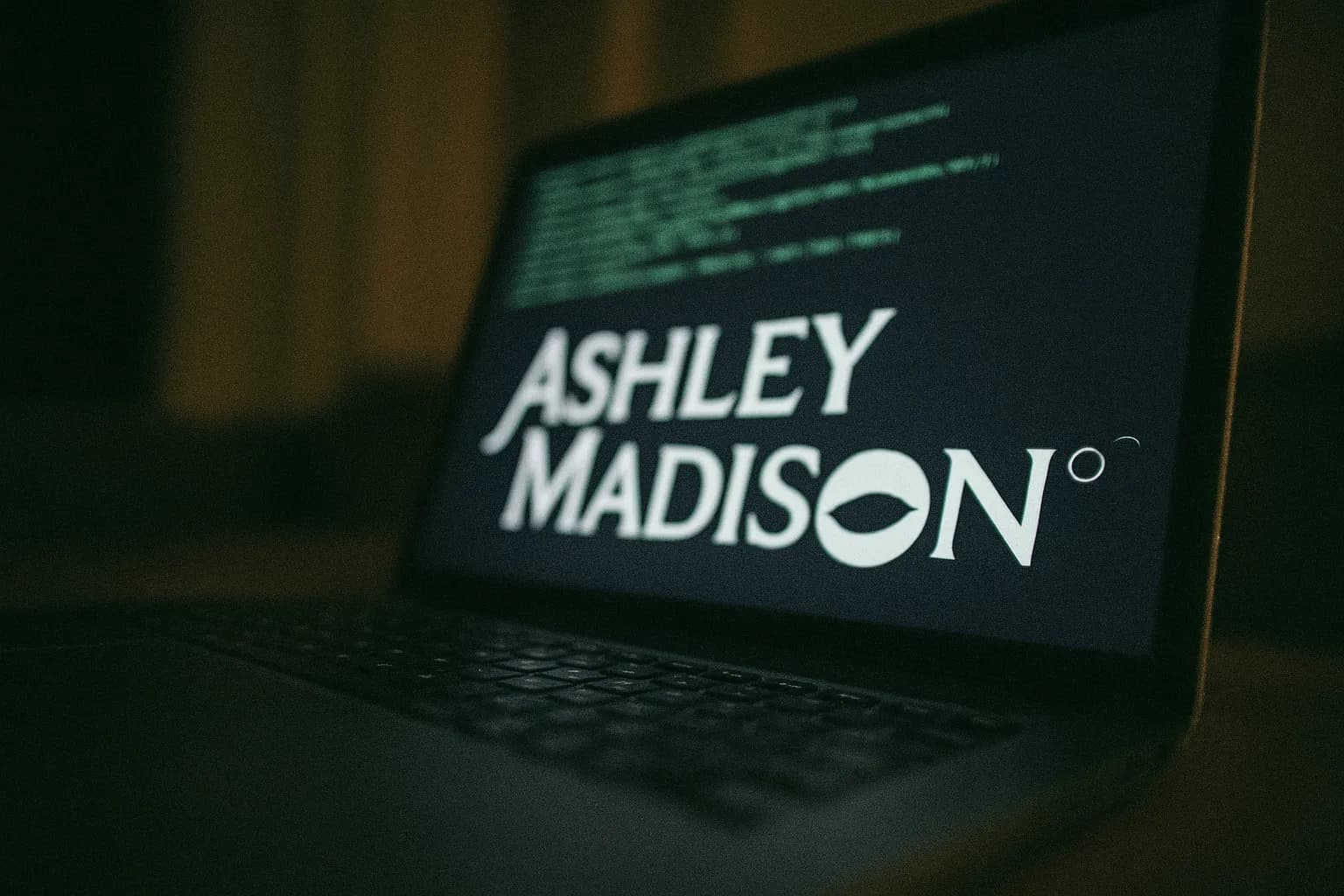
In July 2015, hackers breached Ashley Madison, the controversial dating platform marketed for extramarital affairs, in one of the largest data breaches in internet history. The attack exposed approximately 37 million users globally—a figure representing the scale of the site's reach across 40 countries.
The hackers, identifying themselves as "The Impact Team," demanded the site shut down entirely. When Ashley Madison refused, they made good on their threats. Initial releases began on July 21, 2015, with over 2,500 user records. Within weeks, a full data dump exceeding 60 gigabytes was published on the dark web, containing names, addresses, email addresses, credit card details, private messages, photos, and documented sexual fantasies. Nearly a decade later, the leaked data remains accessible online.
What made the breach particularly damaging was the nature of Ashley Madison's business model and the personal vulnerability of its users. The site's entire premise relied on discretion—users were seeking to conduct affairs away from their partners' knowledge. The exposure of their identities, locations, and intimate communications created catastrophic consequences for millions of people worldwide.
Timeline
15 July 2015
Hackerangriff auf Ashley Madison
Die Hackergruppe "The Impact Team" verschafft sich Zugang zu den Servern von Ashley Madison und erbeutet Millionen Nutzerdaten.
19 July 2015
Erpressungsversuch wird öffentlich
Die Hacker drohen damit, alle Daten zu veröffentlichen, falls das Unternehmen nicht zahlt und die Plattform nicht schließt.
18 August 2015
Veröffentlichung der Nutzerdaten
Nach ausbleibender Zahlung machen die Hacker ihre Drohung wahr und veröffentlichen riesige Datenmengen im Internet.
24 August 2015
Erste Suizide werden bekannt
Mehrere Menschen nehmen sich das Leben, nachdem ihre Mitgliedschaft bei Ashley Madison öffentlich wurde.
15 July 2016
Vergleich in Sammelklage
Avid Life Media einigt sich mit betroffenen Nutzern auf einen Vergleich in Höhe von 11,2 Millionen US-Dollar.
1 December 2016
Umbenennung in Ruby Life
Das Mutterunternehmen benennt sich in Ruby Life um, um sich vom Skandal zu distanzieren.
Yet the breach revealed something darker: systematic corporate deception that preceded the hack itself.
**The Scams Within the Breach**
Ashley Madison had been misleading its users long before hackers struck. The company created over 70,000 fake female bot accounts—70,572 in total—designed to lure male users by artificially inflating the site's female membership. These profiles were traced to company IP addresses and used stock photos. Analysis of the leaked data showed that in the United States, only 1 in 5 profiles belonged to actual women, and there was no evidence of human female activity across the entire dataset.
The site also operated a "full delete" service charging users $19 to completely remove their data. This service was fraudulent. Despite promises to wipe identifiable information, the deletion failed entirely—as the subsequent breach dramatically demonstrated when users' supposedly deleted data flooded the dark web.
Additionally, Ashley Madison created its own fake security badges to falsely assure users their information was protected, compounding the deception.
**Leadership and Fallout**
Ashley Madison's CEO Noel Biderman initially denied the records were insecure, later calling the breach "a criminal act" and offering a $500,000 reward for information on the hackers. The company continued operating despite the catastrophe.
Biderman's own emails were exposed in the leak, revealing his participation in affairs. Police reports from earlier in 2015 alleged sexual misconduct against him, including allegations of fondling underage girls. After the breach, he admitted infidelity to his wife and entered rehab on August 25, 2015, eventually resigning.
Rob Segal replaced Biderman as CEO, and Ashley Madison has continued operating—reportedly now claiming 70 million members.
**Consequences and Legal Action**
The breach sparked widespread legal scrutiny. The FTC pursued enforcement action against the company for its deceptive practices, though full details of settlements remain documented in official sources.
The Ashley Madison breach stands as a stark reminder of how digital platforms handling intimate personal information can betray user trust through both negligent security and deliberate deception. For millions of exposed users, the consequences extended far beyond data loss into damaged relationships, blackmail threats, and permanent loss of privacy.