Colditz Castle stands on a steep hilltop overlooking the Mulde River in the town of Colditz, approximately 25 miles southeast of Leipzig in Saxony, Germany. Its 11th-century stone walls—7 feet thick at the base—once sheltered Saxon royalty. By 1933, under Nazi rule, the castle had been repurposed as a political prison for communists, homosexuals, Jews, and other prisoners deemed "undesirable" by the regime.
When World War II erupted in 1939, the Germans converted Colditz into Oflag IV-C, a maximum-security prisoner-of-war camp reserved exclusively for Allied officers the Nazis considered troublemakers. British, French, Polish, Belgian, American, and Commonwealth prisoners—men who had already escaped from other camps or shown "incorrigible" resistance—were concentrated within its medieval walls. At peak capacity, the fortress held approximately 800 POWs.
The German High Command believed Colditz was escape-proof. The castle's location—roughly 400 miles from neutral Switzerland or Allied territory—combined with its fortress architecture and rocky foundations made it seemingly impregnable. Armed sentries patrolled constantly. Barbed wire enclosed the grounds. The International Red Cross inspected the facility in 1944 and reported it was too cramped and unsuitable for the number of prisoners held there, contributing to low morale and an atmosphere thick with escape plotting.
Timeline
1 January 1046
Erste urkundliche Erwähnung
Schloss Colditz wird erstmals in einer Schenkungsurkunde erwähnt und war im Mittelalter königlicher Besitz.
1 March 1933
Umwandlung in Konzentrationslager
Wenige Wochen nach Hitlers Machtübernahme wird Schloss Colditz zum frühen KZ für politische Gefangene.
1 August 1934
Ende des KZ-Betriebs
Nach 17 Monaten wird die Nutzung als Konzentrationslager beendet. Mindestens 2.311 Menschen waren hier inhaftiert.
1 January 1938
"Heil- und Pflegeanstalt"
Das Schloss wird zur Tötungsanstalt im Rahmen der NS-Euthanasie umfunktioniert.
1 January 2017
Gedenkstätte eingeweiht
Auf dem Schlossgelände wird ein Mahnmal für die 84 Euthanasie-Opfer errichtet.
Yet the inmates refused to accept defeat. Between 1939 and 1945, prisoners launched over 130 escape attempts. Approximately 32 to 35 men reached the frontier without recapture—a remarkable success rate for a camp designed to be escape-proof. British and Commonwealth officers alone accounted for at least 10 successful breakouts.
The methods were ingenious. Prisoners tunneled despite the rocky terrain. They forged documents with meticulous care. They fashioned disguises—most audaciously, some men dressed as German guards. On January 5, 1942, four officers escaped in pairs wearing convincing Wehrmacht uniforms: one English, two Dutch, and one of unspecified nationality.
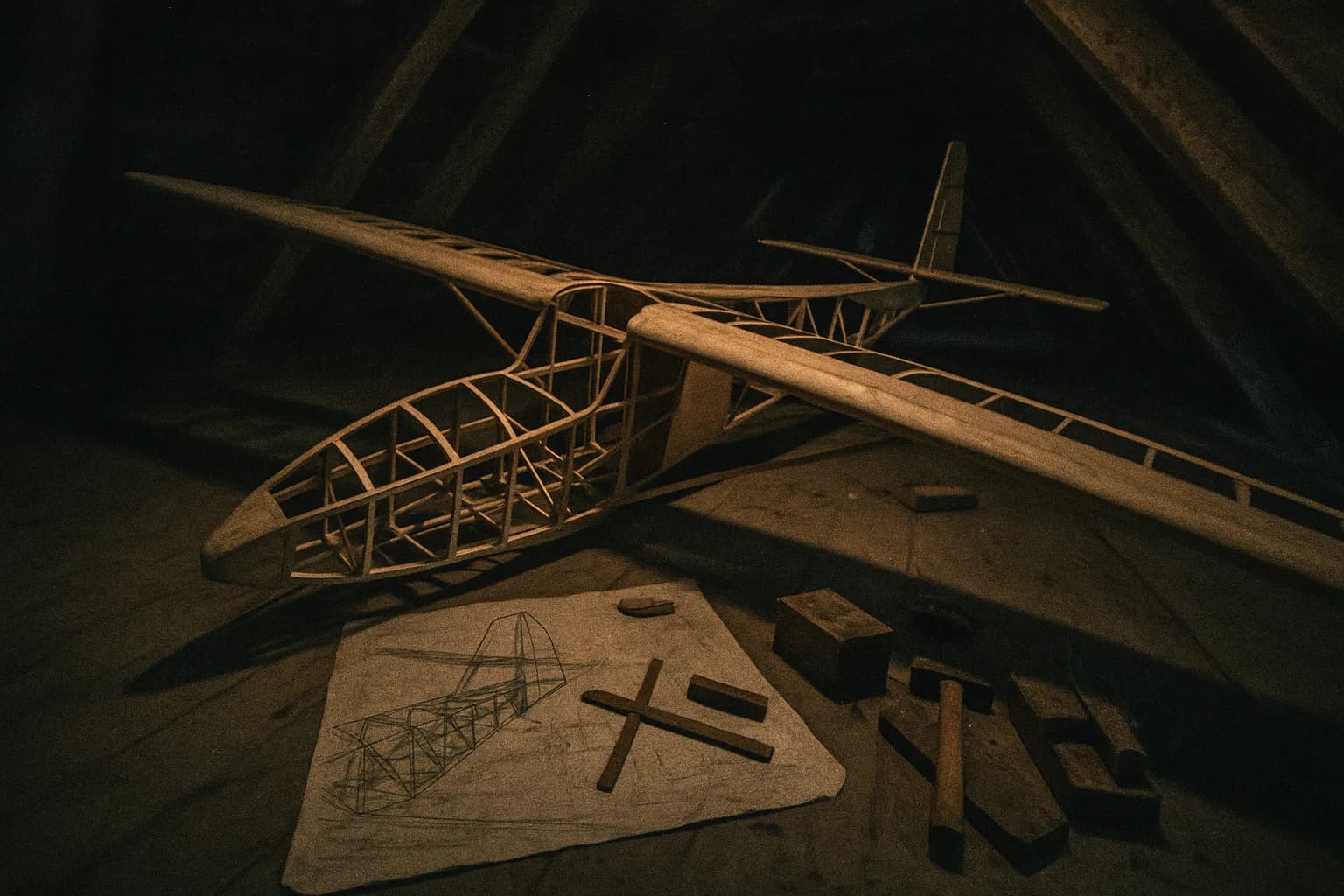
In winter 1944 and 1945, a group of prisoners constructed an aircraft in the attic—the Colditz Cock, a wooden glider designed for a daring aerial escape. Though the war ended before the glider could be deployed, the machine was assembled after liberation and stands as a testament to prisoner ingenuity and determination.
Among the notable prisoners held at Colditz were Winston Churchill's nephew and the nephew of King George VI, illustrating the camp's role as a high-profile detention facility for officers of rank and significance.
Pat Reid, a British officer, survived Colditz and later authored *The Colditz Story* (1953), a firsthand account that helped immortalize the fortress in popular memory and inspired subsequent films and television documentaries.
The camp was liberated by the U.S. Army in April 1945. Soviet forces occupied the region in May 1945, and Colditz subsequently became part of East Germany. In the post-war decades, the castle served various purposes: a prison for criminals, a home for the elderly, a nursing home, and eventually a hospital and psychiatric clinic.
Contrary to some historical misconceptions, verified sources confirm that Colditz Castle was not used as a death camp or execution site during its WWII operation as a POW facility. While prisoners elsewhere in the Nazi system faced execution and deadly conditions, Colditz's grim reputation rested on its role as a maximum-security prison—not a place of systematic killing.
Today, Colditz Castle remains a tangible link to World War II history, its thick walls still standing as a physical reminder of the determination of Allied officers who refused to surrender, even when imprisoned in what their captors believed was an inescapable fortress.