Sagsmappe
Double Life Sentences in Tyrol: Parents Killed Their Young Son
Østrigsk ægtepar idømt dobbelt livstid efter umenneskelig mishandling og drab på treårig dreng i Innsbruck-området
BEVIS
Sagsdetaljer
Quick Facts
Østrigsk ægtepar idømt dobbelt livstid efter umenneskelig mishandling og drab på treårig dreng i Innsbruck-området
Quick Facts
A three-year-old's life ended in terror and silence
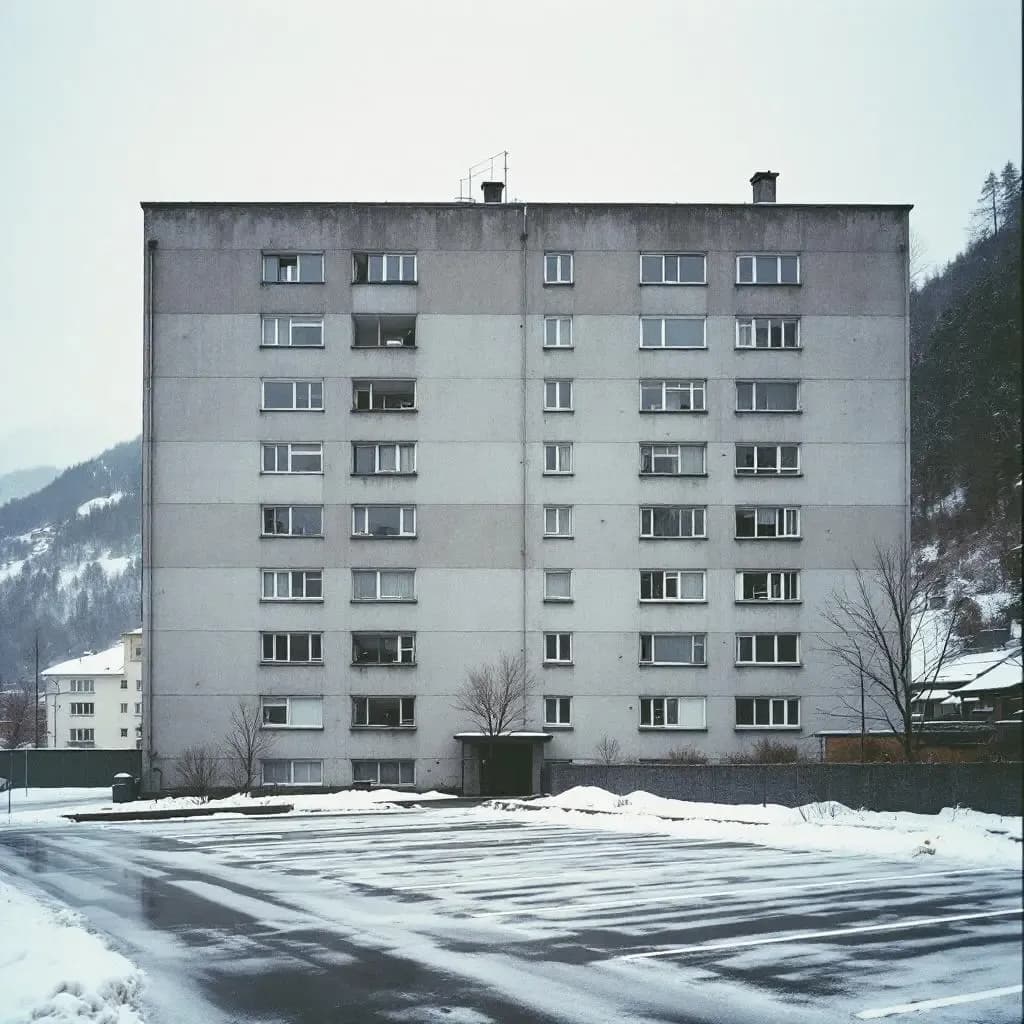
In an apartment set against the mountain landscape of Tyrol, a small boy spent the final months of his short life in constant fear, pain and isolation. His parents — the two people who should have protected him — were instead his tormentors. The boy, just three years old, died as a result of the systematic violence and neglect his parents subjected him to over an extended period. The case was heard in Innsbruck and resulted in one of the harshest sentences the Austrian justice system can hand down: double life imprisonment for both parents.
The case shook Austria and triggered an intense public debate about how a young child can suffer in secret while authorities, neighbours and social institutions apparently failed to act in time.
Mishandlingen begynder
Ifølge anklageskriftet begyndte den systematiske fysiske mishandling af den treårige dreng i løbet af 2022. Den præcise startdato er ikke offentligt fastslået.
Drengen dør
Den treårige dreng afgår ved døden i familiens lejlighed i Tirol. Forældrene forsøger angiveligt at skjule de reelle omstændigheder.
Retsmedicinsk undersøgelse afslører mishandling
Obduktion og retsmedicinsk gennemgang afslører omfattende skader forenelige med gentagen vold over en længere periode. Politiet indleder drabsefterforskning.
Begge forældre anholdes og sigtes
Myndighederne anholdes begge forældre og sigter dem for drab på deres søn. De varetægtsfængsles i Innsbruck.
Retssagen indledes i Innsbruck
Landsretten i Innsbruck indleder hovedforhandlingen. Anklagemyndigheden beskriver det som en af de groveste børnemishandlingssager i Tirols nyere retshistorie.
Dom: Dobbelt livstid til begge forældre
Retten afsiger dom: begge forældre idømmes dobbelt livstid. Dommeren understreger forbrydelsens ekstraordinære grovhed og offerets absolutte forsvarsløshed.
Politisk efterspil og krav om systemreform
I kølvandet på dommen kræver østrigske politikere og eksperter en uafhængig gennemgang af de sociale myndigheders sagsbehandling og barnets kontakter med systemet.
The abuse spanned months
According to the indictment and the evidence presented at trial, both parents had over a period of several months subjected the boy to repeated and severe physical violence. He was beaten, kicked and treated in ways that caused serious internal and external injuries. He was also deliberately kept malnourished and cut off from the outside world.
When the boy finally lost his life, the parents allegedly attempted to conceal the cause of his death. It was only when the body was examined by forensic experts that the full extent of the systematic abuse became clear. The autopsy revealed injuries consistent with repeated violence over time — not a single isolated attack.
The court found it proven that both parents had actively participated in the violence and that neither had attempted to protect the child or seek help. It was this combination — the active acts and the deliberate passivity — that led to the enhanced sentences.
The trial in Innsbruck
During the trial in Innsbruck, defence attorneys attempted to distinguish between the two parents' respective roles and degrees of responsibility. It was argued that one parent had played a more passive role and that psychological factors should be taken into account. The court rejected these arguments, however, ruling that both bore full criminal responsibility.
The Austrian prosecution described the case as one of the most heartbreaking and serious child abuse cases in Tyrol's recent legal history. In delivering the verdict, the judge emphasised that this was a crime of the most extreme gravity, committed against a completely defenceless victim — a child who had no means of seeking help or escaping.
Double life imprisonment under Austrian law means that those convicted cannot be automatically released after 15 years, which is otherwise the minimum threshold for life sentences. The court thereby made clear that the risk of reoffending and the nature of the crime ruled out any early return to society.
Systemic failures and overlooked warning signs
In the wake of the sentencing, Austrian media and politicians turned a sharp spotlight on the region's social authorities. The question was simple and uncomfortable: why was the child not saved in time?
It emerged that the family's living situation and social circumstances had been known to local authorities. There had possibly been contact with the social welfare system, but no intervention had resulted in the child being removed from the home. This revelation prompted calls for an independent review of how the case had been handled and for a strengthening of child protection services' capacity to act in Tyrol.
It is a pattern that recurs in similar cases around the world — child abuse cases in which authorities, with the benefit of hindsight, can identify the red flags but failed to act on them in time. Experts in family violence point to secrecy, poor communication between agencies and excessive documentation burdens on social workers as contributing factors.
A case that changed the debate in Austria
The killing of the small boy in Tyrol became a turning point in the Austrian discussion about children's legal protection. Politicians promised reforms, and investigations were launched into how case-handling rules and resource allocation within the social welfare system functioned in practice.
Cases like this one — and their international parallels across Europe — show that even in welfare states with developed support systems, the most vulnerable individuals can fall through the gaps in the safety net. The three-year-old boy from Tyrol never got to start nursery school, never got to discover the world beyond the four walls that became his prison.
Double life sentences for both of his parents represent the harshest punishment the Austrian justice system could impose. For many Austrians, it is still not enough to fill the void left by the boy's death.