Sagsmappe
Kalief Browder: 3 Years Without Trial Changed Bail System
Teen's Rikers Island ordeal sparked historic reforms
BEVIS
Sagsdetaljer
Quick Facts
Teen's Rikers Island ordeal sparked historic reforms
Quick Facts
Kalief Browder was walking home from a party in May 2010 when police stopped him on a Bronx street in New York. A man claimed the 16-year-old teenager had robbed his backpack two weeks earlier. Browder denied it — he had done nothing wrong. But that didn't mean he would go free.
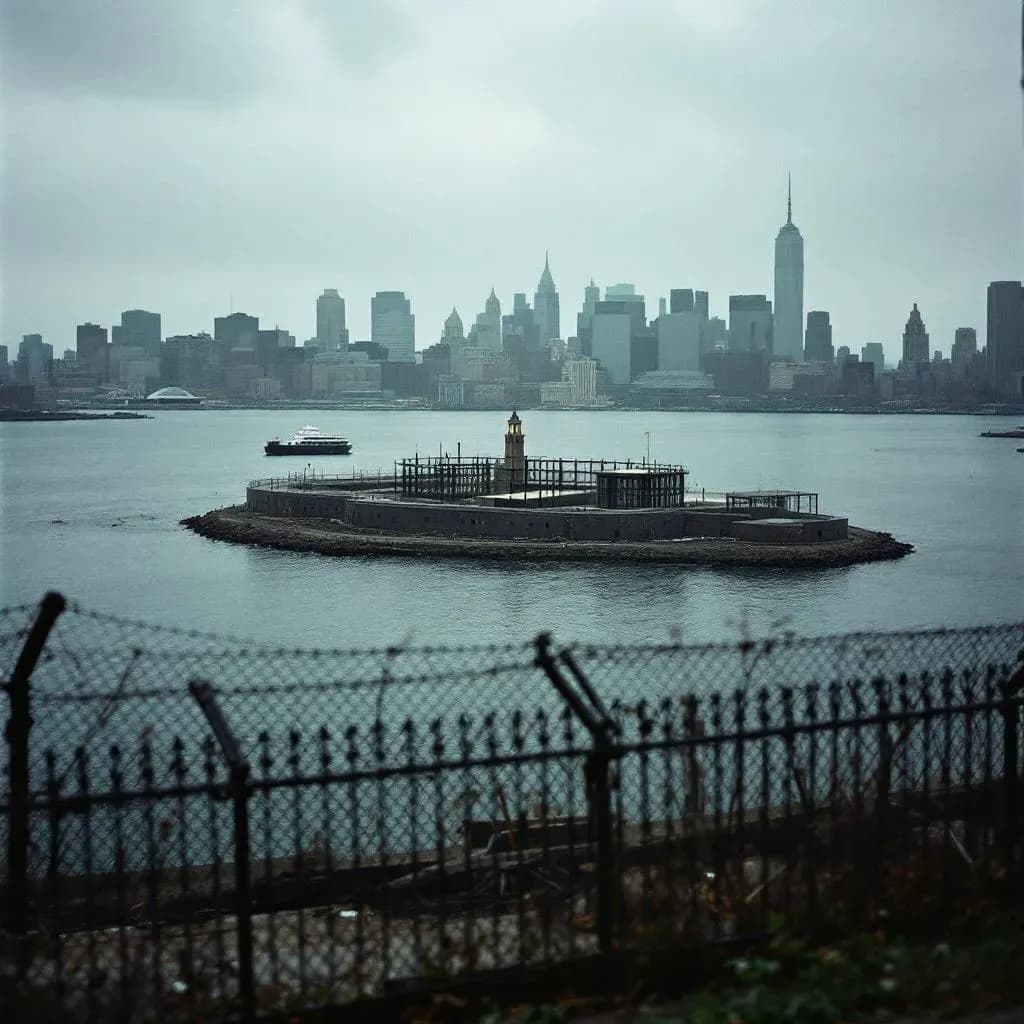
Browder was arrested and charged with robbery. His family couldn't raise the $3,000 bail required to get him released while awaiting trial. So Browder was sent to Rikers Island, one of America's most notorious jails, where he would wait for the justice system to process his case.
The wait lasted three years. The trial never came.
Kalief Browder Arrested
16-year-old Browder arrested in the Bronx, accused of stealing a backpack. His family cannot pay $3,000 bail.
Sent to Rikers Island
Browder sent to Rikers Island to await trial. The beginning of three years of imprisonment without conviction.
Solitary Confinement Begins
Browder placed in solitary confinement, where he spends approximately two years of his detention — 23 hours a day alone in a cell.
Charges Dismissed
After 31 postponements and 1,114 days in jail, charges are dismissed. The witness has left the United States. Browder released.
Browder Takes His Own Life
Two years after release and barely two weeks after his mother's death, Kalief Browder commits suicide. He was 22 years old.
Netflix Documentary Released
Jay-Z's produced documentary series 'Time: The Kalief Browder Story' released on Netflix, reaching millions of viewers.
New York Passes Bail Reform
New York State implements comprehensive bail reform, eliminating bail for most non-violent crimes — directly influenced by Browder's case.
Settlement With Family
New York City reaches $3.3 million settlement with Browder's family for wrongful imprisonment and inhumane conditions.
For the next 1,114 days, Kalief Browder sat imprisoned without being convicted of anything. He was technically innocent — "innocent until proven guilty" — but due process did not exist for a poor teenager from the Bronx.
Browder's case was postponed again and again. In total, court dates were canceled or delayed 31 times. Prosecutors had problems: Their witness didn't show up. Evidence was lacking. But the system rolled on, slowly and mercilessly.
Meanwhile, the prosecution offered Browder plea deals multiple times: Admit to the theft, and you can go free with a sentence matching the time you've already served. For many, it would be a simple decision — confess to something you didn't do, and get out.
But Browder refused every single time. He hadn't stolen any backpack, and he wouldn't say that he had.
Of the three years at Rikers Island, Browder spent approximately two years in solitary confinement. Twenty-three hours a day in a cell, often without sunlight, without human contact beyond the guards.
Solitary confinement is documented as psychological torture, especially for young people whose brains are still developing. Browder attempted to take his own life several times while locked up. Surveillance video from the prison later showed how guards and fellow inmates assaulted him.
This wasn't rehabilitation. This was the destruction of a young person.
In June 2013, after more than a thousand days behind bars, charges against Kalief Browder were finally dismissed. The reason? The witness — the man who had accused him — had left the United States and returned to Mexico.
There was never a . No conviction. No determination of guilt or innocence. Browder had been held imprisoned for three years based on an accusation that prosecutors ultimately couldn't prove.
He was released as a free man — but he wasn't the same person who had been arrested at 16.
After his release, Browder tried to rebuild his life. He went to therapy to treat PTSD and depression. He started at community college. He spoke publicly about his experiences and became an informal advocate for criminal justice reform.
But the trauma ran deep. The isolation, the violence, the constant uncertainty and humiliation had embedded themselves in him. In June 2015, two years after his release and barely two weeks after his mother's death, Kalief Browder took his own life. He was 22 years old.
His death shook America and focused attention on the dysfunctional systems that had destroyed him.
Kalief Browder's story became a turning point in the American debate about bail reform and prison reform. His name is now synonymous with the systemic failures that harm poor and marginalized Americans.
Bail Reform in New York State: In 2019, New York State passed comprehensive bail reform that eliminated bail for most non-violent crimes. The law was a direct response to Browder's case and other similar stories. The goal was to prevent people from being jailed simply because they are poor.
Abolition of Solitary Confinement for Minors: New York City abolished solitary confinement for people under 21 at Rikers Island. Browder's experiences documented the catastrophic consequences of isolating young people.
Public Awareness: Jay-Z produced the Netflix documentary series "Time: The Kalief Browder Story" in 2017, which reached millions of viewers. The story extended beyond activist circles into mainstream consciousness.
Rikers Island Closure: Browder's case contributed to the decision to close the Rikers Island jail complex entirely — a process still underway.
Browder's story illustrates fundamental injustice in the American justice system: Being poor can cost you your freedom, your future, and ultimately your life — even when you're innocent.
Browder's family sued New York City for wrongful imprisonment and the inhumane conditions he was subjected to. In 2019, they reached a settlement of $3.3 million — money that could never bring Kalief back.
His mother, Venida Browder, became a strong advocate for reform until her own death in 2016, only 16 months after her son. The family called her death "broken heart syndrome" — she died of grief.
Kalief Browder's life lasted only 22 years, but his legacy continues to shape the debate about due process, prison reform, and inequality in the American justice system. His story is a warning about what happens when the system fails those who don't have the resources to defend themselves.
He wouldn't confess to something he didn't do. That principled stand cost him everything.