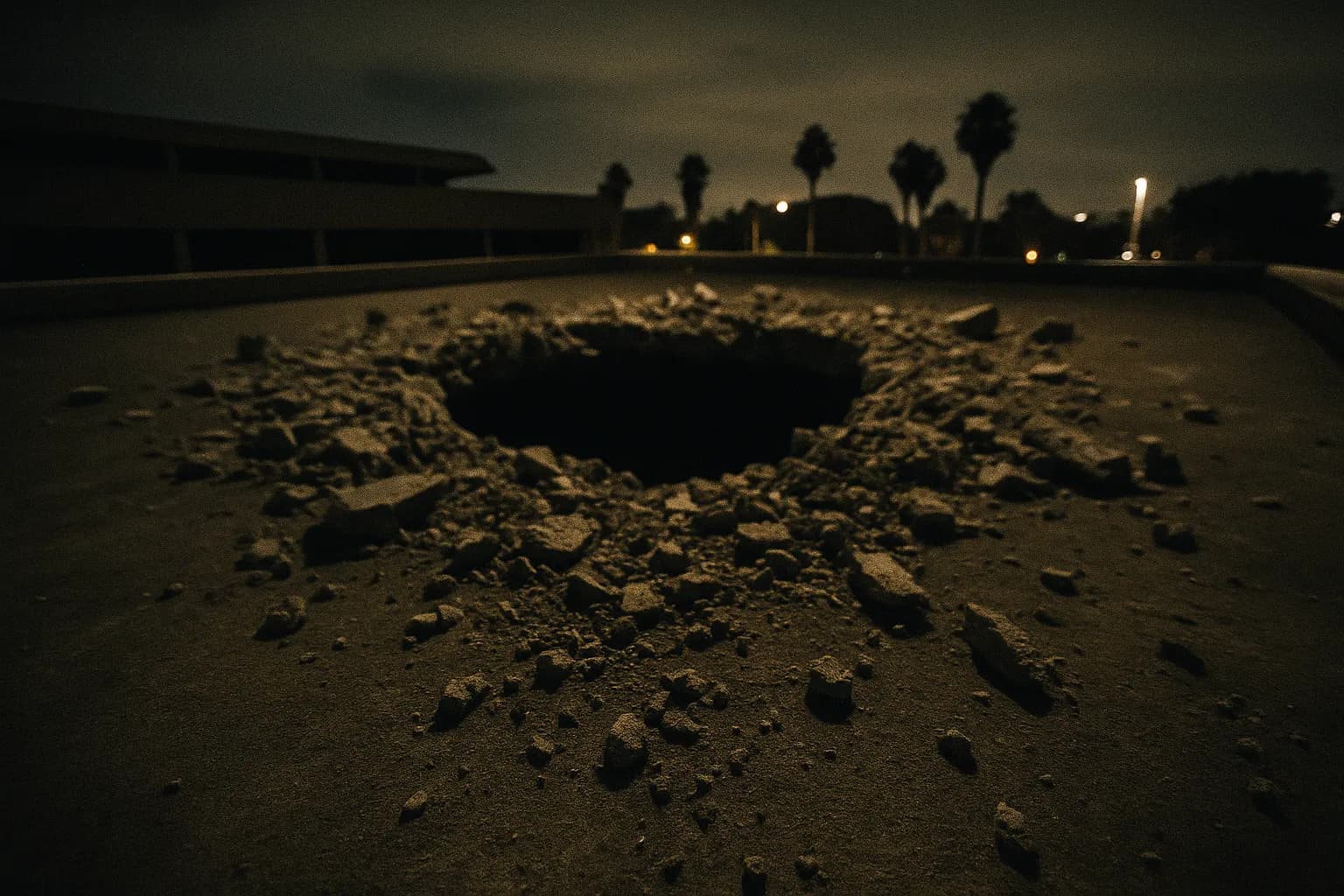
Over three nights in March 1972, a carefully assembled team executed what would become known as the most audacious bank robbery in American history. At the United California Bank in Laguna Niguel, Orange County, California, thieves penetrated the vault through an unconventional method: they tunneled through the roof, bypassed multiple layers of alarm systems, and systematically emptied 458 of the bank's 500 safe deposit boxes. By the time they finished, they had stolen more than $12 million.
The operation was orchestrated by Amil Dinsio, an alarm expert from Youngstown, Ohio, who assembled a team that included his brother James, nephew Harry Barber, brother-in-law Chuck Mulligan, friend Phil Christopher, and accomplished thief Charlie Broeckel. The planning phase revealed meticulous attention to detail: the team rented a condo overlooking the bank's roof to scout their target and purchased a specially adapted getaway car designed to conceal their tools and equipment.
What set this heist apart from typical bank robberies, however, were the extraordinary claims that emerged years later. According to Dinsio, the operation was not merely about acquiring wealth—it had a political motive rooted in the murky world of Teamsters Union leadership and presidential politics.
Dinsio claimed that the initial tip came from Jimmy Hoffa, the powerful Teamsters Union president, who allegedly wanted to recover money he believed was rightfully his. According to this account, at least $3 million from the vault belonged to Hoffa, paid to Richard Nixon in exchange for commuting Hoffa's 1971 prison sentence. When Nixon subsequently moved to strip Hoffa of his Teamsters presidency, the union boss wanted his money back.
Beyond Hoffa's alleged involvement, Dinsio went further in his claims about the vault's contents. He described the heist as a "victory" against Nixon as a "war criminal" and alleged that the vault contained Nixon's "dirty money"—including funds allegedly received from dairy farmers' lobbying groups in connection with a raw milk price increase. This narrative positioned the burglary as something grander than simple theft: a blow against what the perpetrator viewed as government corruption at the highest level.
Federal investigators, however, disputed these claims entirely. When they presented their case, they pointed to physical evidence recovered from the getaway car: a flashlight battery bearing fingerprints and loose coins. Dinsio contested this evidence strenuously, insisting that the team had left no such items behind and accusing FBI investigators of fabricating evidence for use in court.
The lack of publicly available court verdicts or official trial outcomes in the verified record makes it difficult to assess how these disputes were ultimately resolved in the legal system. What remains clear is the dramatic tension between Dinsio's post-heist narrative—one that intertwined the burglary with high-level political intrigue involving Hoffa and Nixon—and the federal investigators' more conventional interpretation of a sophisticated but ultimately criminal theft.
The United California Bank burglary has endured in true crime lore as the "most amazing burglary ever," in the words of one investigator. Whether that amazement stems primarily from the technical audacity of the crime itself or from the extraordinary—and disputed—claims about its true targets and motives remains an open question.
**Sources:**
https://www.lifehealth.com/man-crooked-nixon-finally-tells-story/
https://www.oxygen.com/true-crime-buzz/most-amazing-burglary-ever-has-rumored-links-to-mob-hoffa-nixon
https://podcasts.apple.com/us/podcast/nixons-millions-the-united-california-bank-burglary/id1608230191?i=1000642893128