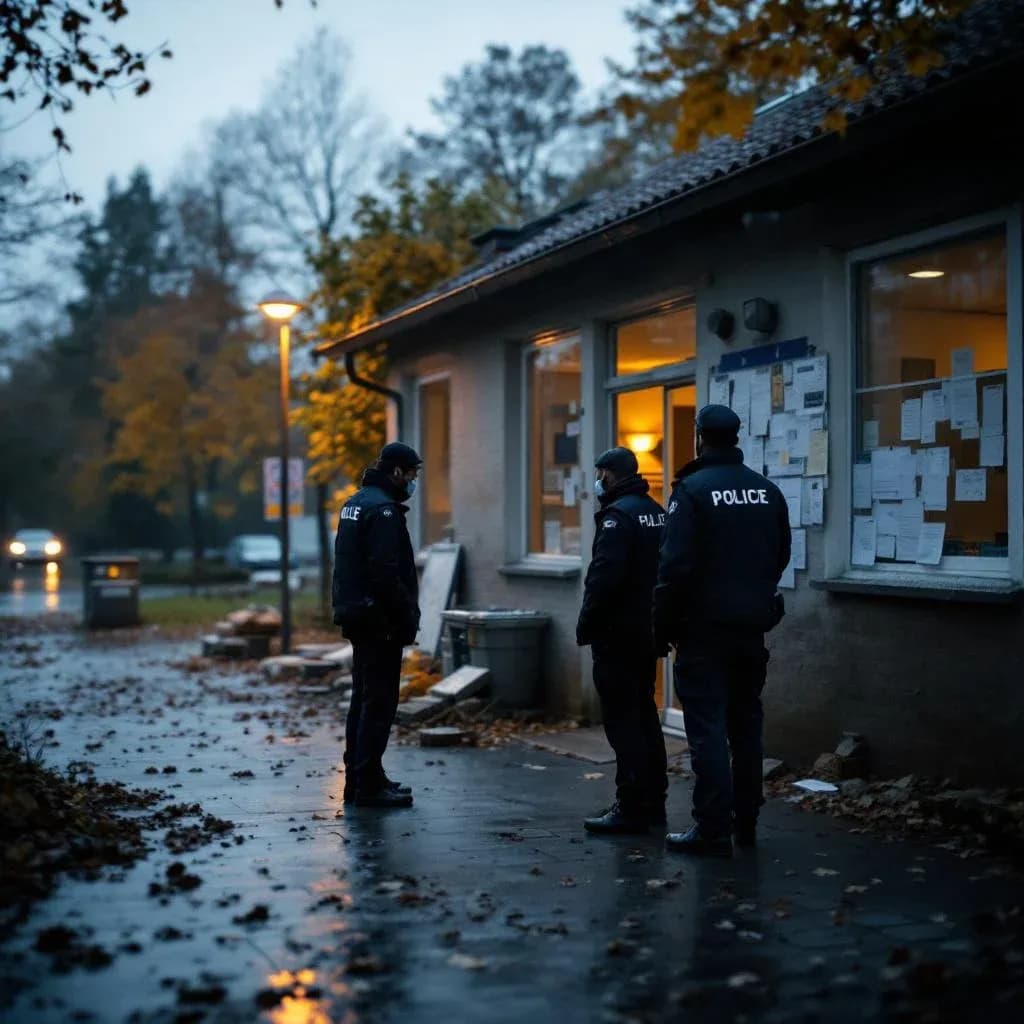
The Lügde scandal is considered one of the worst child abuse cases in Germany's recent history. The extensive network of perpetrators operated for at least eleven years, from around 2008 until its exposure in January 2019. The primary offenders systematically abused children — many from the same families — and documented their crimes in thousands of digital images and videos.
The children who became victims were among the most vulnerable in society: many lived in poverty, came from broken homes or had previously come into contact with child protection services. The perpetrators exploited this vulnerability to gain access to the children, often under the pretence of childcare or friendship.
Timeline
1 January 2008
Beginn des Missbrauchs
Andreas V. und sein Netzwerk beginnen mit systematischem Missbrauch von Kindern im Raum Lügde. Der Missbrauch bleibt den Behörden verborgen.
1 January 2019
Aufdeckung des Skandals
Deutsche Polizei und internationale Cyber-Einheiten entdecken umfangreiches Kinderpornografie-Material mit Bezug zu Lügde. Durchsuchungen beginnen, Tausende Bilder und Videos werden sichergestellt.
15 June 2019
Anklageerhebung
Die Staatsanwaltschaft in Nordrhein-Westfalen erhebt Anklage gegen Andreas V., Mario S. und weitere Mitglieder des Netzwerks.
20 January 2020
Erstes Urteil
Andreas V. wird vom Landgericht Detmold zu 13 Jahren Haft wegen schweren Kindesmissbrauchs verurteilt. Das Urteil wird in der Berufung bestätigt.
15 February 2020
Veröffentlichung von Kritikberichten
Deutsche Behörden und Medien publizieren kritische Berichte über das Versagen der Ordnungskräfte, den Missbrauch früher zu erkennen und zu stoppen.
1 June 2020
Weitere Urteile
Mario S. und andere Netzwerkmitglieder werden zu mehrjährigen Haftstrafen wegen Beihilfe zum Kindesmissbrauch verurteilt.
The Primary Perpetrators
The two main offenders were Andreas V. and Mario S. Andreas V. was the central figure — a man in his fifties who had operated as a child abuser for decades without being detected by the authorities. He gained access to children through various arrangements and private situations, and meticulously documented the abuse.
Mario S., also known as Platzspitz, was another key actor who apparently assisted with the distribution of material and facilitated contact between perpetrators.
The case also involved numerous other individuals who either actively participated in the abuse or passed on child sexual abuse material through networks that extended both nationally and internationally.
The Uncovering
The case first came to light when German police and international cyber units became aware of widespread sharing of child sexual abuse material on the internet. The digital trails pointed directly to the Lügde area of North Rhine-Westphalia.
When police finally raided the premises in January 2019, they found thousands of images and videos of child sexual abuse, archived and organised with detailed annotations. The volume of digital material was so vast that it took months to work through all of the documentation.
Criticism of the Authorities
A central element of the scandal was not only the crimes committed by the perpetrators, but also the fact that the authorities had failed the children on multiple occasions. Prosecutors and child protection agencies had previously received reports and tip-offs but had not acted decisively enough.
Critical reports were subsequently published, and both German media and international observers pointed out that the case had exposed serious gaps in child protection. Germany was called upon to review its procedures for handling child abuse cases.
The Court Proceedings
In January 2020, Andreas V. was sentenced to thirteen years in prison for child sexual abuse of a particularly serious nature. Mario S. was also sentenced to a lengthy prison term. The verdicts were handed down by the Detmold regional court.
The trials were extensive and closely followed by German media, which covered both the offenders' crimes and the institutional failures. It became clear during the proceedings that the children had suffered profound physical and psychological trauma, and that some of the perpetrators had worked together in coordinated networks.