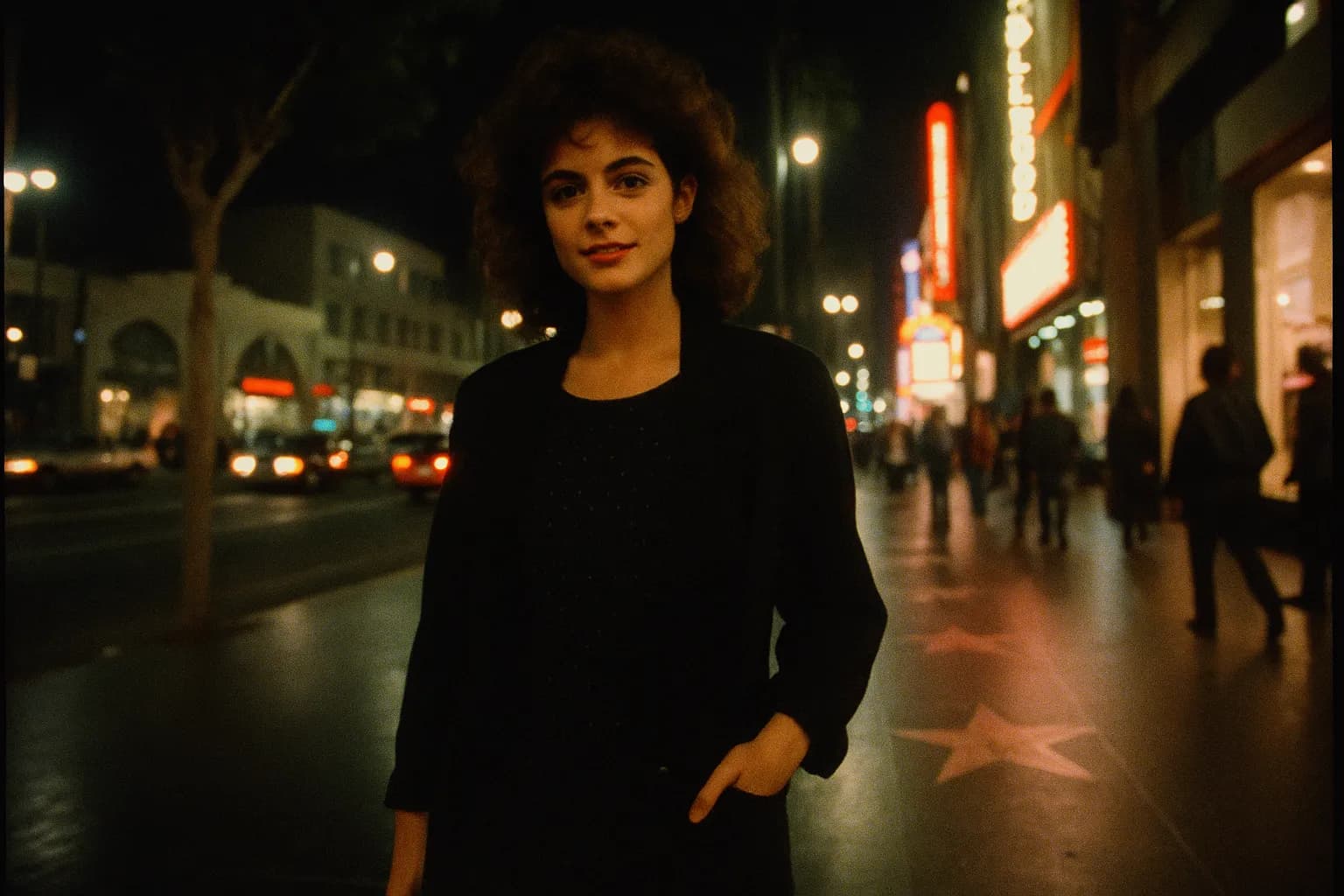
On the morning of July 18, 1989, Rebecca Schaeffer opened her apartment door on North Sweetzer Avenue in West Hollywood to find Robert John Bardo standing outside. The 19-year-old had traveled from Tucson, Arizona, with a single purpose. He shot the actress in the chest at point-blank range with a .357 magnum. She was pronounced dead on arrival at Cedars-Sinai Medical Center.
Schaeffer, 21, had become a household name through the television series "My Sister Sam." For three to four years before her death, she had been the object of Bardo's obsession. He had written her letters, made repeated phone calls, and attempted to contact her in person. His fixation was not casual; it was methodical and dangerous.
Bardo's determination to find Schaeffer's address demonstrated how accessible personal information had become in the pre-internet era. He paid $250 to a private investigator who obtained her home address from California's Department of Motor Vehicles records—a transaction that was legal at the time but would soon become part of the impetus for change. Armed with this information, Bardo boarded a Greyhound bus from Arizona to Los Angeles.
Timeline
1 January 1986
Beginn der Obsession
Robert John Bardo beginnt, die Schauspielerin Rebecca Schaeffer zu verfolgen und entwickelt eine obsessive Fixierung auf sie.
1 January 1989
Film löst Tat aus
Bardo sieht Schaeffer in einer Liebesszene im Film "Scenes from the Class Struggle in Beverly Hills" und gerät in Rage.
1 July 1989
Adresse beschafft
Bardo zahlt einem Privatdetektiv 250 Dollar, um Schaeffers Privatadresse über die kalifornische Zulassungsstelle zu erhalten.
18 July 1989
Der Mord
Um 10:15 Uhr erschießt Bardo Rebecca Schaeffer an der Haustür ihrer Wohnung in West Hollywood mit einer .357 Magnum Revolver.
19 July 1989
Festnahme des Täters
Bardo wird auf der Interstate 10 nahe Tucson, Arizona, verhaftet und gesteht die Tat sofort.
1 January 1990
Verurteilung
Robert John Bardo wird wegen Mordes ersten Grades mit erschwerendem Umstand zu lebenslanger Haft ohne Bewährung verurteilt.
1 January 1990
Gesetzesänderungen
Als Folge des Falls werden in den USA neue Anti-Stalking-Gesetze und verschärfte Datenschutzbestimmungen für Zulassungsstellen eingeführt.
On the day of the murder, Bardo visited Schaeffer's apartment twice. After his first visit, he left and spent an hour at a nearby diner. He returned at approximately 10:15 AM. This time, when Schaeffer answered the door, he opened fire. The killing was swift and brutal.
During his trial, Bardo's defense argued that he was driven by delusions, claiming he acted under command hallucinations. The judge rejected this argument. The prosecution successfully demonstrated that Bardo killed to achieve fame and notoriety—a troubling motive that underscored the dangers posed by obsessed individuals seeking recognition through violence.
Bardo was convicted and sentenced to life imprisonment without the possibility of parole. He remains incarcerated to this day. In 2007, while imprisoned at Mule Creek State Prison, he was stabbed 11 times by another inmate but survived the attack.
Yet Schaeffer's legacy extends far beyond the courtroom conviction. Her death catalyzed legislative action that would fundamentally alter how California—and subsequently other states—addressed stalking. Before 1989, stalking was not formally recognized as a crime. Prosecutors struggled to charge stalkers because existing laws covered harassment or threats, but nothing specifically addressed the pattern of behavior that preceded violence.
California became the first state to pass an anti-stalking law, signed into effect in 1990. The legislation made it illegal to repeatedly follow, harass, or threaten someone with the intent to cause fear for their safety. This groundbreaking statute became a model for other states and set a precedent that continues to inform how law enforcement responds to celebrity threats and public safety risks.