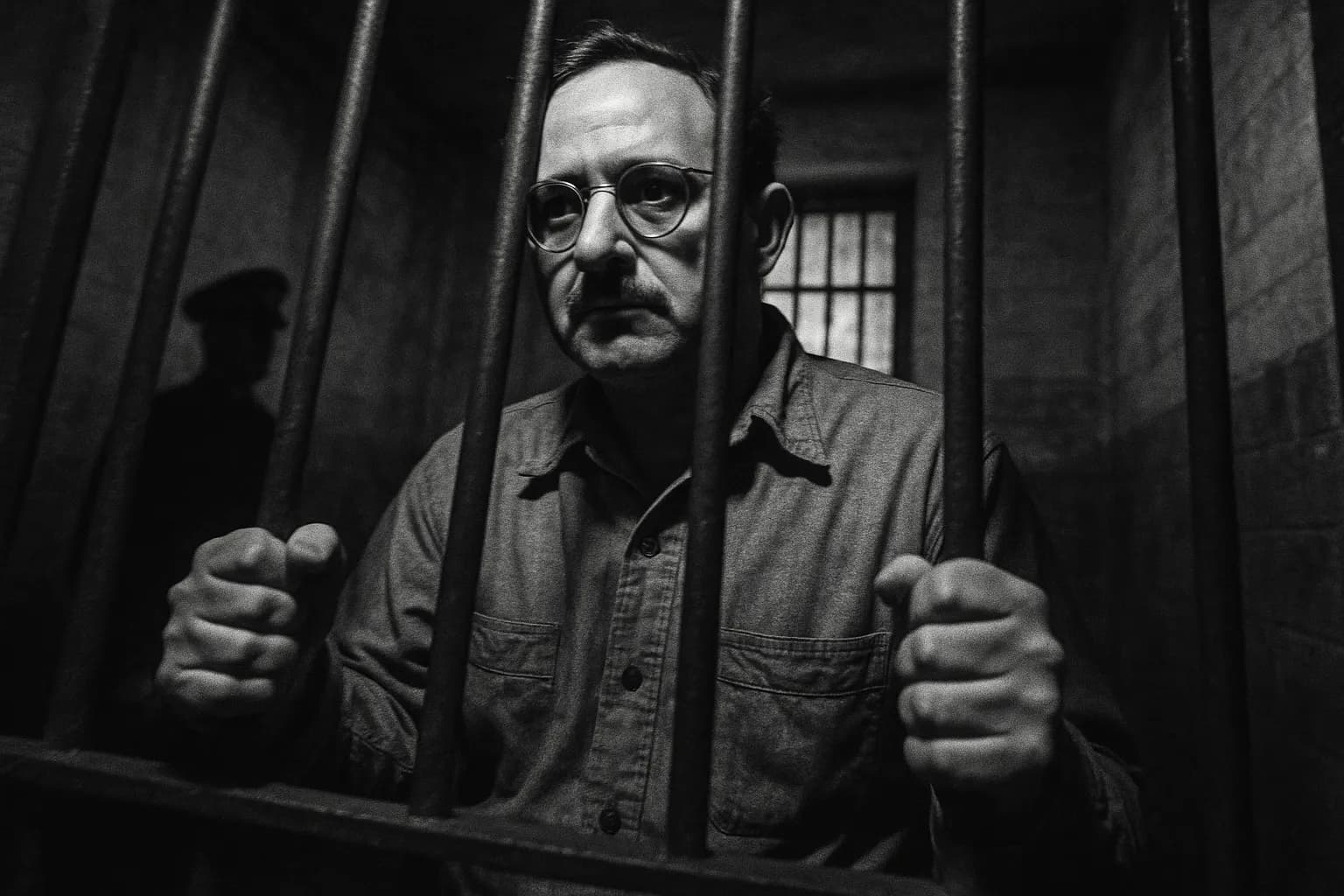
On June 19, 1953, Julius and Ethel Rosenberg walked to the electric chair at Sing Sing Correctional Facility, making them the only American civilians ever executed for espionage during the Cold War.
Julius Rosenberg, born May 12, 1918, and his wife Ethel (née Greenglass), born September 28, 1915, were members of the American Communist Party who became entangled in one of the era's most controversial spy cases. Their arrest came during the height of Cold War paranoia, with Julius detained on July 17, 1950, followed by Ethel's arrest roughly a month later.
The charges against them were serious: conspiracy to commit espionage under the U.S. Espionage Act of 1917. Federal prosecutors alleged that the couple had passed classified information about atomic bomb designs to the Soviet Union. The indictment also included accusations of espionage involving radar, sonar, and jet propulsion engine technology.
Timeline
15 June 1950
Verhaftung von David Greenglass
Ethels Bruder wird als Erster festgenommen und wird später Hauptzeuge gegen das Ehepaar Rosenberg.
1 July 1950
Verhaftung von Julius Rosenberg
Der Ingenieur wird unter dem Vorwurf der Spionage für die Sowjetunion festgenommen.
1 August 1950
Verhaftung von Ethel Rosenberg
Ethel wird einen Monat nach ihrem Ehemann verhaftet.
6 March 1951
Prozessbeginn
Der Spionageprozess gegen Julius und Ethel Rosenberg beginnt vor Gericht.
29 March 1951
Todesurteil
Richter Irving R. Kaufman verurteilt beide zum Tode. Er bezeichnet ihr Verbrechen als 'schlimmer als Mord'.
5 April 1951
Bestätigung des Urteils
Das Strafmaß wird offiziell bestätigt.
19 June 1953
Hinrichtung
Julius und Ethel Rosenberg werden im Sing Sing Prison auf dem elektrischen Stuhl hingerichtet.
The trial began in early March 1951 and moved quickly, concluding within three weeks. Central to the government's case was David Greenglass, Ethel's own brother, who testified against the couple. Greenglass, himself an atomic spy, provided damaging testimony that sealed their fate. On March 29, 1951, the jury returned guilty verdicts. Just one week later, on April 5, 1951, the judge imposed the ultimate penalty: death sentences for both defendants.
The speed of their conviction and the severity of their punishment sparked immediate controversy. Civil rights groups, legal scholars, and international observers questioned aspects of the trial, though their appeals were ultimately exhausted. For two years, the Rosenbergs remained imprisoned while their legal team fought to overturn the verdicts.
Julius Rosenberg was 35 years old at execution; Ethel was 37. They died together on the same day, maintaining their innocence to the end.
Greenglass, who testified against them, received a 15-year sentence but served only 10 years before his release. He would later live a long life, dying in 2014 at age 92.
For decades, debate raged over whether the Rosenbergs deserved execution, with some arguing their guilt was never definitively proven and others questioning whether Ethel's involvement matched that of her husband. The historical record shifted in the 1990s when Soviet documents released after the fall of communism confirmed that Julius Rosenberg had indeed engaged in espionage for the Soviet Union. These declassified materials provided corroboration that vindicated the prosecution's core allegations, though they did not settle all questions about the case's details or the appropriateness of the death sentence.
The Rosenberg case remains a stark chapter in American Cold War history—a reminder of the period's ideological intensity and the severe consequences some faced for activities deemed traitorous. Their execution stands as the most controversial use of the death penalty in a national security case in U.S. history.