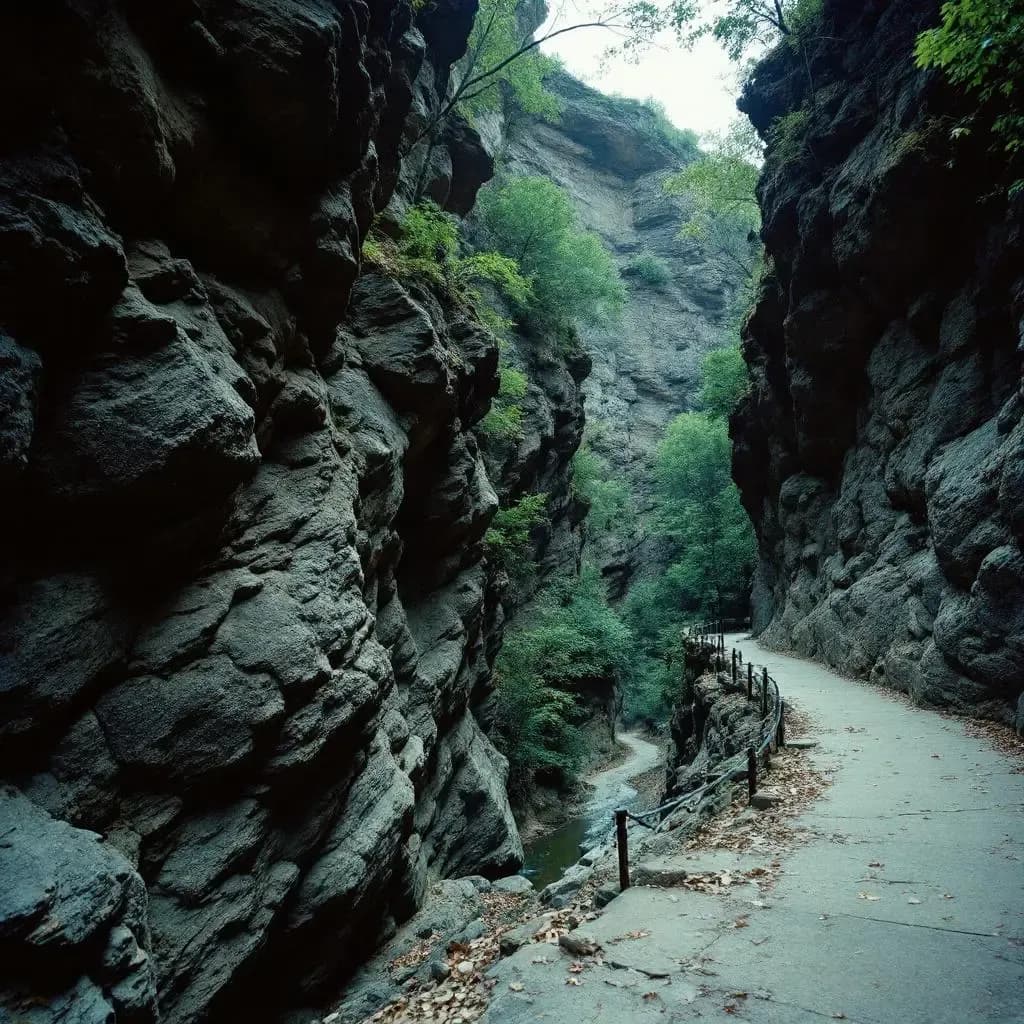
Flint River Killer — Georgia's Unsolved Serial Murder Case
Uidentificeret gerningsmand mistænkes for flere mord langs Flint River i det sydlige Georgia
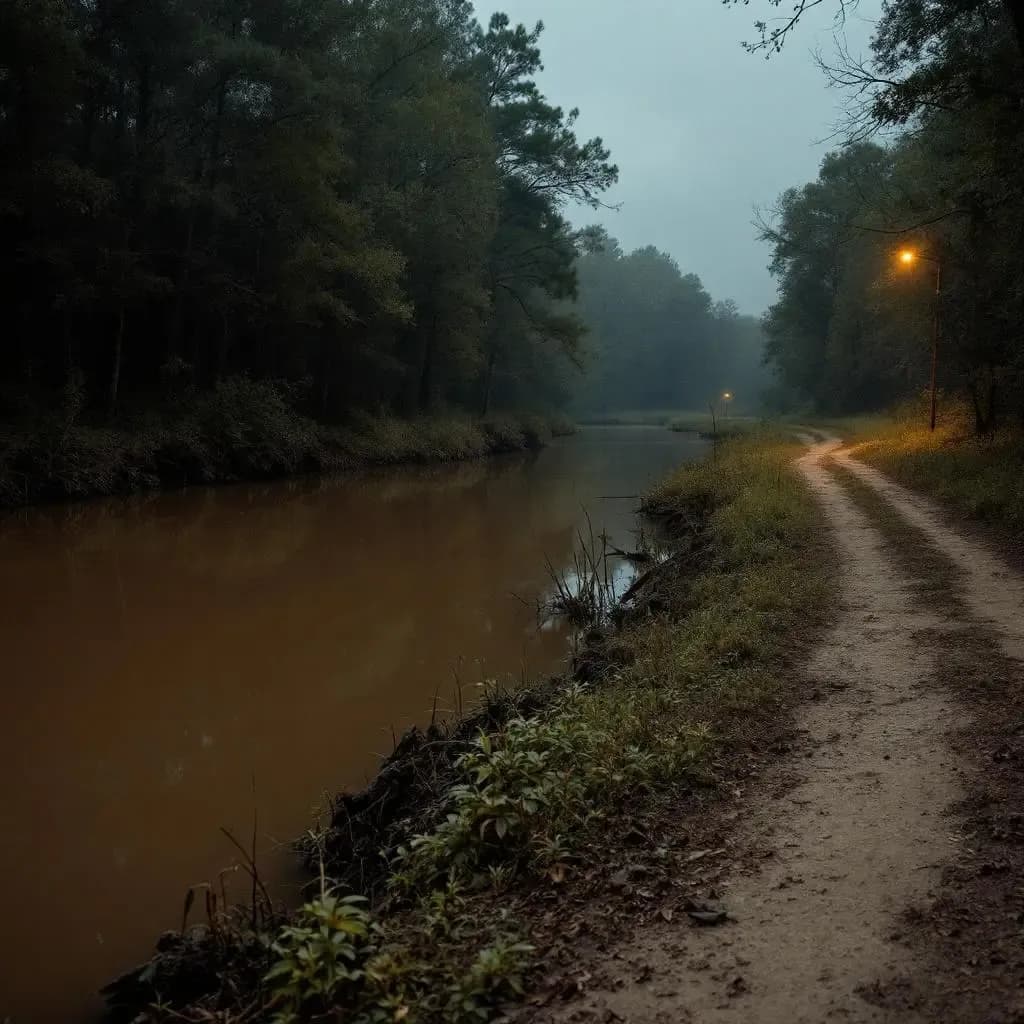
**Flint River Killer** is the unofficial designation for an **unidentified perpetrator** — or possibly multiple perpetrators — suspected of carrying out a series of murders and mysterious deaths along the Flint River in southern **Georgia**, USA. The cases began attracting attention in the late 1990s, when human remains and deceased individuals with unclear causes of death repeatedly surfaced in and around the riverbanks and the adjacent woodland areas. The distinctive geographical pattern — along with similarities between the victims' profiles — led investigators and criminologists to consider whether a single serial offender was responsible, rather than a series of isolated incidents.
**The geography of Flint River as a crime scene**
The Flint River runs more than 340 kilometers through southern **Georgia**, passing through isolated rural districts, swampy woodlands, and sparsely populated counties. The river's character makes it a challenging area to investigate: water currents can carry evidence and human remains over great distances, and the dense vegetation along the banks significantly limits search operations. Several of the deaths linked to the **Flint River Killer** designation were not discovered until weeks or months after the presumed time of the crime, complicating efforts to establish both the time and place of death.
The counties along the river — including Mitchell, Worth, and Dougherty County — are among **Georgia**'s poorer and more rural regions, where law enforcement resources have historically been limited. Critics have pointed out that this socioeconomic context may have contributed to the cases not receiving the investigative priority they deserved.
**Victim profiles and patterns**
Most of the individuals whose cases are linked to the **Flint River Killer** theory belonged to marginalized groups: the homeless, people struggling with addiction, itinerant workers, and individuals with no fixed address. This profile reflects a well-documented pattern in American serial murder cases, in which perpetrators deliberately select victims who are rarely reported missing quickly and whose disappearances do not immediately trigger intensive police investigations.