The Massacre: Shootings in Two Bars
On the evening of February 19, 2020, 43-year-old Tobias Rathjen opened fire on patrons at Arena Bar in Hanau around 11:00 PM. He shot six people: Gökhan Gültekin (37), Sedat Gürbüz (29), Said Nesar Hashemi (21), Mercedes Kierpacz (35), Hamza Kurtović (19), and Vili Viorel Păun (22). All victims had immigrant backgrounds—from Turkish, Afghan, Polish, Bosnian-Herzegovinian, or Romanian origin.
Rathjen then drove to Midnight Bar, where he killed three more people: Fatih Saraçoğlu (34), Ferhat Unvar (23), and Kaloyan Velkov (33). He used a homemade 9mm pistol and a Ceasar-Gepard pistol. Police found 1,000 rounds of ammunition in his residence.
After the shooting, Rathjen returned home, where he shot his 72-year-old mother Gisela before taking his own life.
German prosecutors classified the attack as Germany's worst right-wing extremist terror attack since the NSU murders in 2011. No trial took place because the perpetrator was dead.
The Manifest: 861 Pages of Hatred and Conspiracy
Rathjen left behind an 861-page document that he published online and sent by mail. The German Federal Prosecutor's Office made Rathjen's manifest public on February 20, 2020, with sections redacted. The document contained racist, antisemitic, and Islamophobic content along with conspiracy theories about 5G technology and secret government control.
Most shocking was an alleged "master plan" for the "eradication" of minorities. Rathjen detailed his ideology and justified the murders with racist prejudices. The document revealed deeply rooted right-wing extremism beliefs and utter contempt for people with immigrant backgrounds.
Authority Failures: Emergency Lines Overwhelmed
The investigation into the attack exposed critical failures by security authorities. An independent expert commission concluded in its final report from February 2021 that victims and witnesses could not reach emergency services 110. The lines were overwhelmed with up to 400 calls per minute—Hesse's Bosch police radio system lacked sufficient capacity.
At Arena Bar, the emergency exit was blocked by trash cans, making it difficult or impossible for people to escape. These building defects had not been corrected before the attack, despite being discoverable during routine inspections.
Even more alarming: Tobias Rathjen had been on authorities' radar since 2001 due to racist statements. In 2019, 11 weapons were confiscated from him, but they had already been returned by 2014. The Hesse Constitutional Protection Office failed to document the case properly and took no preventive measures. The expert commission criticized "structural racism" within authorities and inadequate threat assessment procedures.
Memorial Services and National Solidarity
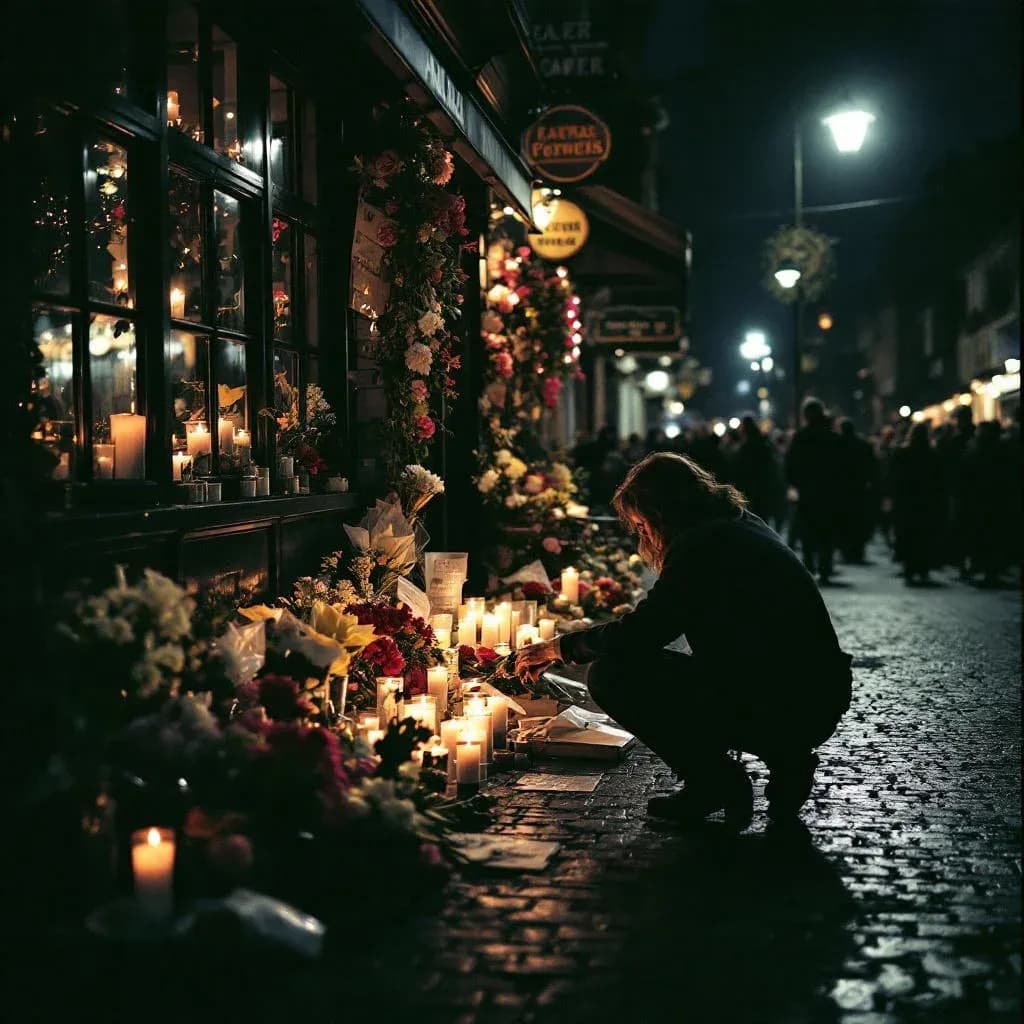
On February 24, 2020, a central memorial service was held on Hanau's market square, attended by approximately 5,000 people. Federal President Frank-Walter Steinmeier delivered an emotional address: "Right-wing extremism is poison for our democracy." He promised families answers and consequences.
Across the country, there were memorial services and solidarity demonstrations. On the first anniversary, February 19, 2021, an official ceremony was held at Nikolaikirchof in Hanau. The victims' names were read aloud, and families demanded full accountability for the authorities' failures.
Chancellor Angela Merkel called the acts a "racist murder series" on February 20, 2020 and promised: "Our state will not give up." Grief mixed with anger over institutional failure.
Political Consequences for Democracy
The Hanau attack prompted political reforms. In July 2020, stricter gun laws came into effect with enhanced mental health screenings. Hesse reformed its emergency response system in 2021, increasing capacity to 500 calls per minute.
Hesse's Interior Minister Peter Beuth (CDU) did not resign despite massive calls for his resignation. However, Chief Prosecutor Hans-Heiko Klein and Hanau Police Chief Rainer Philipp stepped down. The federal parliament established an investigation committee] to investigate far-right extremist networks], which worked for 18 months with over 100 meetings. The 2022 report demanded improved constitutional protection and stricter controls.
Federal Justice Minister Christine Lambrecht declared in 2021: "Hanau shows: right-wing extremism is terror number one." Victims' families received compensation of up to 100,000 euros per victim in 2021 under victim protection laws.
The reckoning with the attack remains a task for society as a whole. The February 19 Initiative, founded by family members, continues fighting for justice and remembrance. The Hanau attack stands as a warning that right-wing extremism is a deadly threat, and the state must take its responsibility seriously.