Ride Through Al Capone's Chicago on This Mob Bus Tour
In 1929, seven men stood up for the last time in a garage at 2122 N Clark Street in Chicago — and ever since, the city has never quite shaken its reputation as America's capital of crime. The Chicago Crime and Mob Bus Tour takes you through the very neighborhoods where Al Capone, John Dillinger and serial killer H.H. Holmes left their bloody marks, and the tour still runs today for those who want to see the geography of crime with their own eyes.
What you experience on the tour
The tour lasts between 90 minutes and two hours and departs from the meeting point at the corner of Pearson Street and Michigan Avenue — just outside 163 E Pearson St, Chicago, IL 60611. You are asked to arrive at least 15 minutes before departure. The tour ends at the same location, so there is no need to worry about getting back.
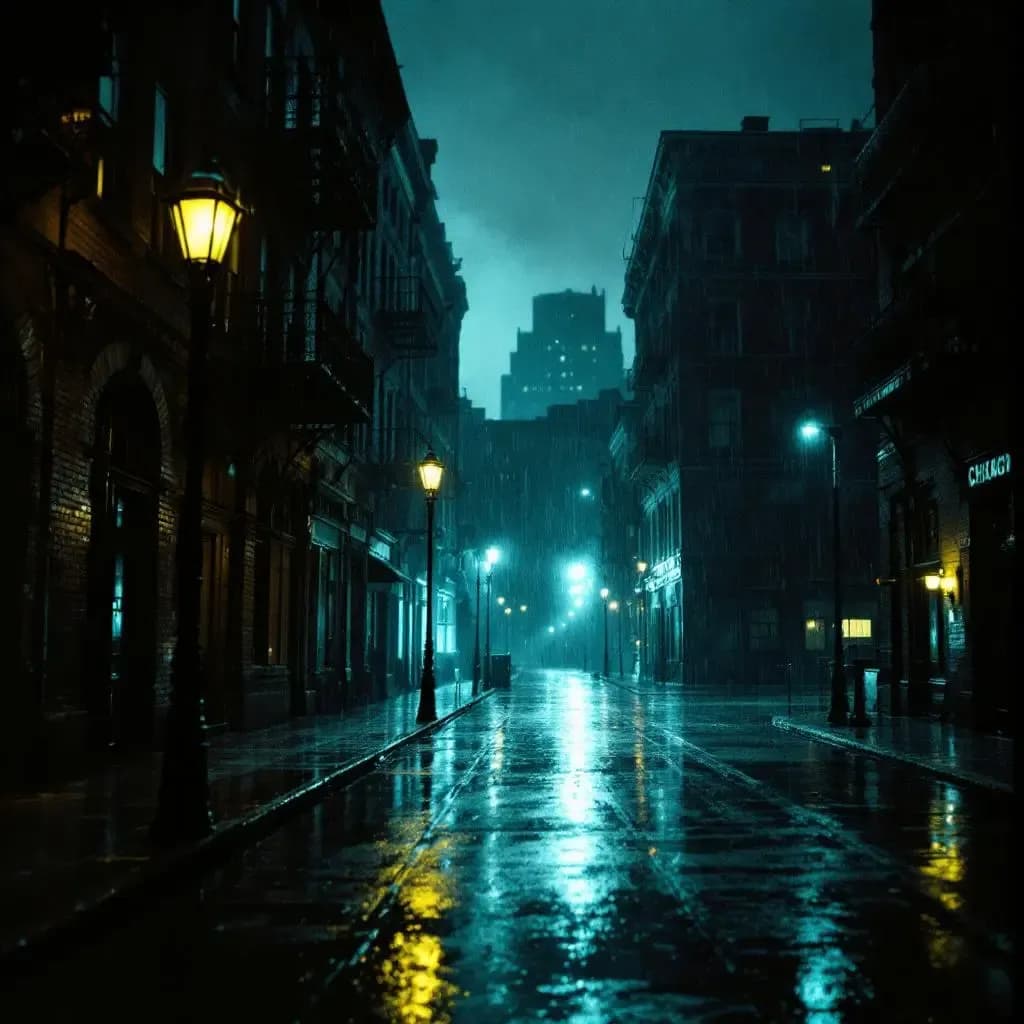
Along the way, the bus travels through neighborhoods including Gold Coast, Lincoln Park, Old Town, the Loop and the Magnificent Mile, while a guide unfolds Chicago's criminal history from the speakeasies of the Prohibition era to today's tourist attractions with a dark past.
The St. Valentine's Day Massacre — Chicago's bloodiest day
On February 14, 1929, seven members of the North Side Gang were shot dead in a garage by men who were presumed to be working for Al Capone's Chicago Outfit. The site at 2122 N Clark Street is today one of the most iconic crime scenes in American criminal history. The garage itself no longer exists, but the bus drives past the location and the guide places the massacre within the broader power struggle over Chicago's underworld during Prohibition.
John Dillinger and the Biograph Theater
On the same tour you pass the Biograph Theater, where the FBI shot and killed wanted bank robber John Dillinger on July 22, 1934, as he was leaving a movie screening. At the time, Dillinger was the most wanted man in the United States and had evaded police on numerous occasions. The theater still stands as a building in the Lincoln Square neighborhood, and the brief drive-by creates a strange sensation that history has suddenly become tangible.