DNA Genealogy Solves 40-Year Mystery of Bear Brook Barrel Murders
Genetic breakthroughs identify four victims and link serial killer Terry Rasmussen to New Hampshire's coldest case
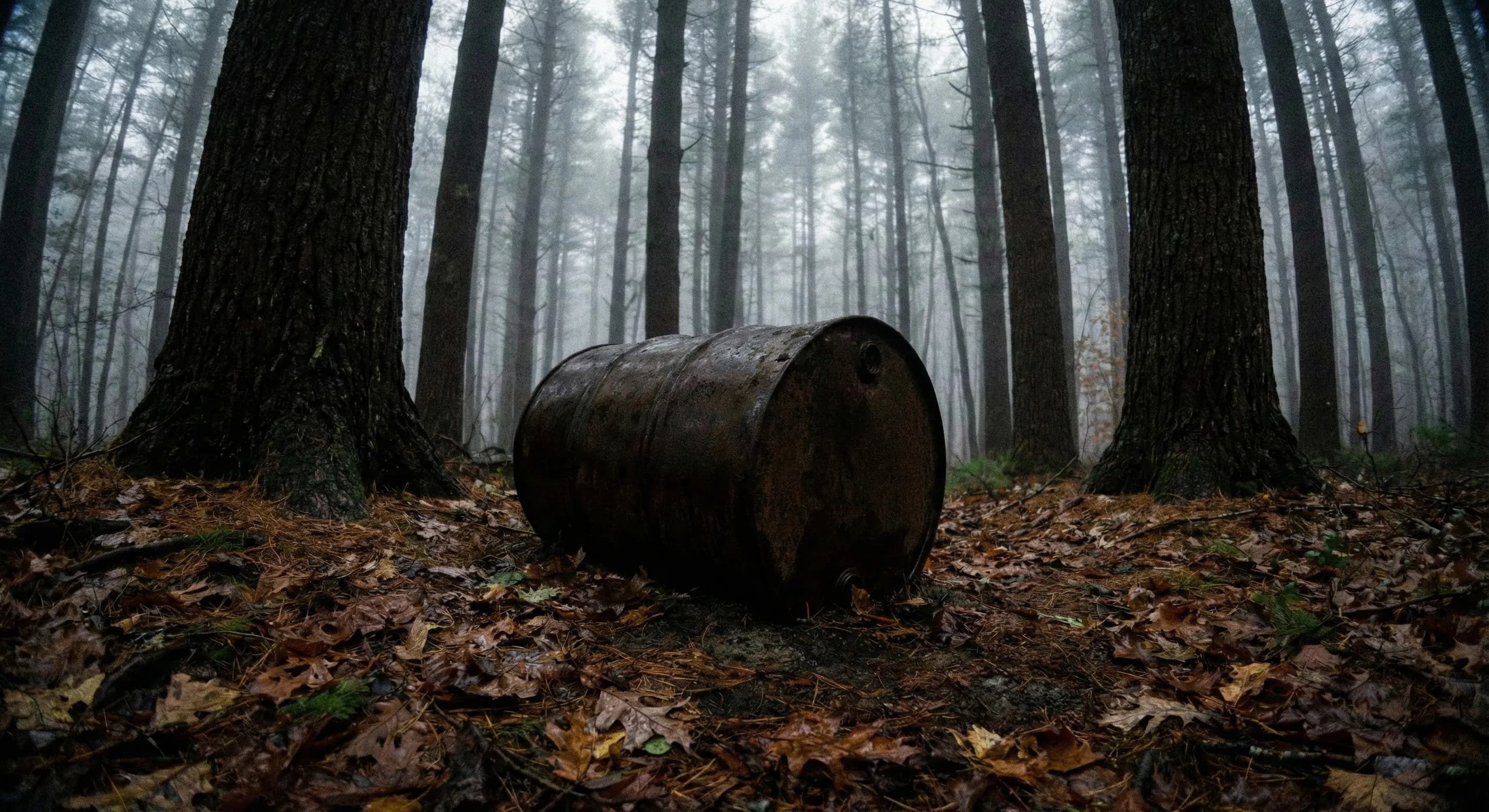
In 1985, hikers at Bear Brook State Park in Allenstown, New Hampshire discovered a 55-gallon barrel containing the badly decomposed remains of an adult woman and a young girl. Fifteen years later, in 2000, a second barrel surfaced at the same location holding the bodies of two more young girls. For decades, these victims remained nameless—until genetic genealogy cracked the case wide open.
By 2019, three of the four victims had been identified: Marlyse Honeychurch, a woman in her late twenties or early thirties; and her two daughters, Marie Vaughn and Sarah McWaters. The identity of the youngest victim—a child aged 2 to 4 years old—remained elusive until 2025, when the DNA Doe Project finally identified her as Rea Rasmussen, born in 1976 in Orange County, California.
The breakthrough hinged on revolutionary forensic techniques. Barbara Rae-Venter, a pioneering genetic genealogist, extracted DNA from degraded hair and bone samples that had been exposed to the elements for years. Her colleague Ed Green developed a specialized method for sequencing DNA from rootless hair—a critical innovation, since traditional DNA extraction requires intact hair roots. The DNA was severely compromised by bacterial infiltration and decomposition, making identification extraordinarily difficult.
In 2017, Rae-Venter's work led investigators to Terry Peder Rasmussen, a career criminal and serial killer who had died in prison in 2010. Rasmussen, known as "The Chameleon Killer" for his use of multiple aliases, was serving 15 years to life for the 2002 murder of his common-law wife, Eunsoon Jun. DNA testing confirmed he was the biological father of Rea Rasmussen, the youngest victim found in the 2000 barrel.
Mitochondrial DNA analysis established that Marlyse Honeychurch and two of her daughters—Marie and Sarah—were maternally related, with Marlyse confirmed as their mother. The fourth victim, Rea, was linked to Rasmussen through autosomal DNA and later connected to her biological mother, Pepper Reed, through extensive genealogical research spanning 25,000 people and ancestral records dating back to the 1780s.