True crime news logo
  • Podcasts Movies & Series Books
  • News
True crime news logo

Components made easy. This cool starter template will help you get started with your next project.

© 2026 Company Name. All rights reserved.

Powered by Nerdic

    The 10 Most Investigated Cases in Danish Criminal History

    The 10 Most Investigated Cases in Danish Criminal History

    From unsolved murders to political scandals that shook the nation

    Author
    Susanne Sperling
    Published
    April 6, 2026 at 10:07 PM

    The 10 Most Investigated Cases in Danish Criminal History

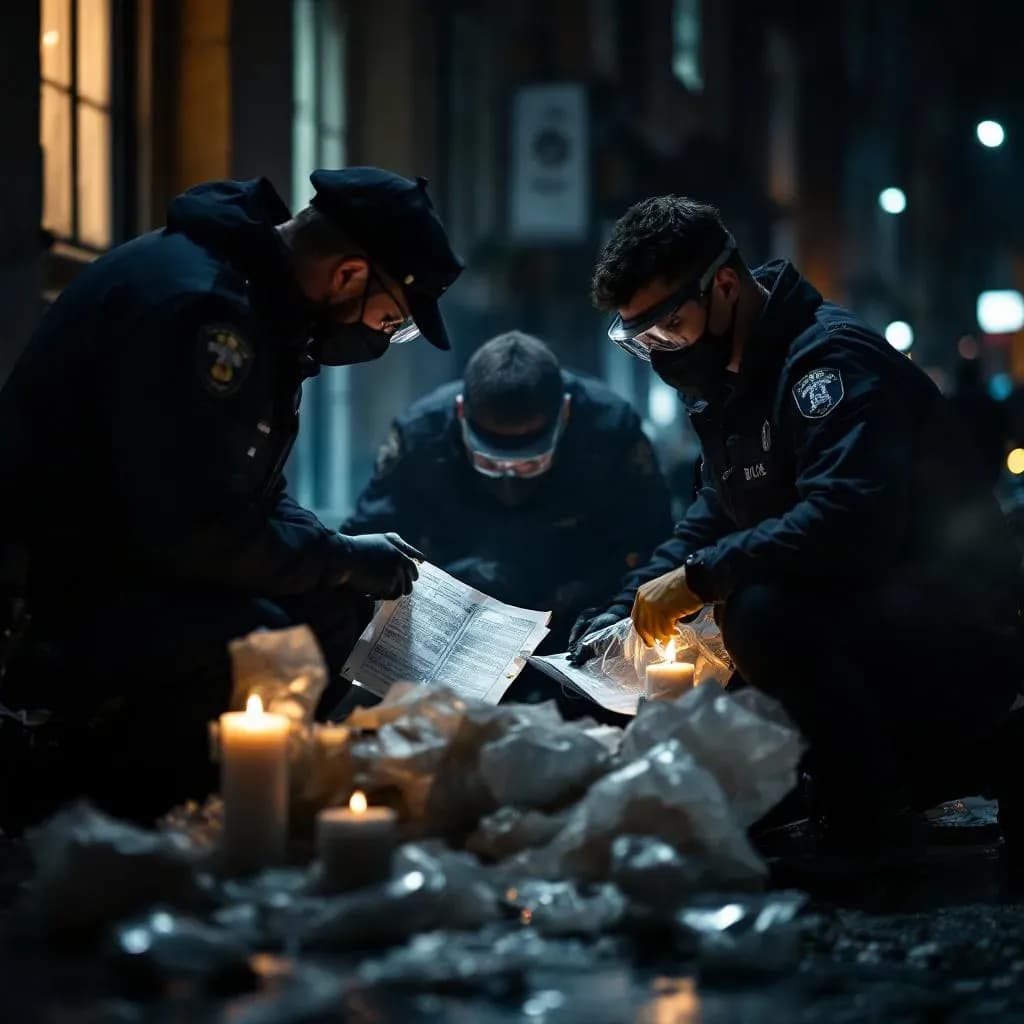
    Denmark's most notorious criminal cases have consumed countless police hours and gripped the nation's attention, demonstrating the complexity of modern law enforcement and the persistent pursuit of justice that defines the Danish legal system.

    The Cases That Defined Danish Criminal Investigation

    1. The Peter Lundin Case (1995-2001) - This gruesome triple murder shocked Denmark when Peter Lundin killed his mother, her boyfriend, and later his girlfriend Marianne Pedersen in 2000, dismembering her body in Rødovre. The investigation spanned multiple countries, as Lundin had previously been convicted of killing his own mother in the United States. Danish police worked extensively with American authorities, conducting DNA analysis and forensic examinations that became textbook examples of cross-border cooperation. The case required over 10,000 investigative hours and involved groundbreaking forensic techniques for body identification through bone fragment analysis.

    2. The Blekingegade Gang (1972-1989) - Denmark's most sophisticated criminal organization conducted bank robberies to fund leftist revolutionary movements worldwide, stealing over 75 million Danish kroner. The investigation became the most resource-intensive in Danish police history, involving surveillance operations across multiple European countries and requiring cooperation with Interpol. Police documented thousands of hours of surveillance footage and interviewed hundreds of witnesses. The gang's political motivations and international connections made the case extraordinarily complex, ultimately leading to trials that exposed Denmark's connection to international terrorism funding and changed how Danish authorities approached organized crime.

    3. The Murder of Trine Mikkelsen (2005) - The 13-year-old's disappearance from Vejle launched one of Denmark's largest missing person investigations, involving over 300 police officers at its peak. Her body was discovered in a lake after extensive searches. The case remained unsolved for years despite DNA evidence collection and thousands of witness interviews. Investigators employed advanced geographical profiling and behavioral analysis techniques, conducting more than 5,000 interviews. The investigation prompted significant reforms in how Danish police handle child abduction cases, establishing new protocols for immediate response and public communication during critical early hours of disappearances.

    4. The Christina Murders (1990-1991) - Serial killer Peter Hansen murdered three young women in the Copenhagen area, terrorizing the capital region for over a year. The investigation involved Denmark's first major criminal profiling operation, with police consulting international experts. Authorities collected and analyzed thousands of tips from the public, conducted extensive DNA testing on hundreds of potential suspects, and employed revolutionary forensic techniques. The case required coordination between multiple police districts and established precedents for multi-jurisdictional cooperation. Hansen's capture resulted from meticulous detective work combining traditional investigative methods with emerging forensic science, ultimately requiring over 15,000 documented police hours.

    5. The Amager Beach Body Case (2017-2023) - When Swedish journalist Kim Wall disappeared after boarding inventor Peter Madsen's submarine, the subsequent investigation uncovered a brutal murder that captivated international attention. Danish naval forces, Coast Guard, and multiple police units conducted extensive underwater searches. Investigators pieced together forensic evidence from the submarine, ocean floor, and various coastal locations. The case involved complex maritime law considerations and required collaboration with Swedish authorities. Advanced forensic pathology and digital evidence analysis were crucial, with investigators examining thousands of hours of video footage and internet search histories, making it one of Denmark's most technologically sophisticated investigations.

    6. The Tove Andersen Murder (1981) - This unsolved case remains one of Denmark's most investigated cold cases, with the 20-year-old's brutal murder in Nordhavnen still generating investigative activity. Police have reopened the case multiple times using advancing DNA technology, conducting fresh analyses of preserved evidence every few years. Over 3,000 people were interviewed during initial investigations, and the case file exceeds 40,000 pages. Modern investigators have employed genealogical DNA techniques and re-interviewed witnesses using contemporary psychological methods. The case represents Danish law enforcement's commitment to justice regardless of time elapsed, with dedicated cold case units regularly reviewing evidence.

    7. The Tjæreborg Bomb Attack (1984) - Denmark's first major terrorist bombing targeted a tourist charter company, injuring 22 people and launching an international investigation into Middle Eastern extremist connections. The complex investigation involved Danish intelligence services, Mossad, and European anti-terrorism units, requiring extensive international cooperation. Investigators analyzed explosive residue, traced international communication networks, and conducted surveillance across multiple countries. The case required over 20,000 investigative hours and exposed Denmark's vulnerability to international terrorism. It fundamentally changed Danish security protocols and established specialized counter-terrorism investigation units within the Danish police force, influencing security measures still in place today.

    8. The Murder of Emilie Meng (2016) - The 17-year-old's disappearance while walking home in Korsør led to one of Denmark's most intensive modern investigations, involving over 2,000 witness interviews and extensive forensic analysis. Her body was discovered in a lake months later. Police employed advanced cell tower triangulation, social media analysis, and geographic profiling. DNA evidence was collected from hundreds of potential suspects. The case generated unprecedented public engagement with thousands of tips. Despite massive investigative resources and employing cutting-edge forensic techniques, the case remains unsolved, prompting ongoing reviews and representing the challenges facing modern investigators even with advanced technology.

    9. The Hell's Angels vs. Bandidos War (1994-1997) - The Great Nordic Biker War required unprecedented law enforcement mobilization, with over 400 officers assigned to monitoring and investigating gang-related violence that claimed 12 lives in Denmark. Police conducted extensive surveillance operations, wiretaps, and undercover infiltration attempts. The investigation spanned multiple countries and required coordination with Swedish and Norwegian authorities. Authorities documented thousands of hours of surveillance, conducted hundreds of weapons seizures, and built cases requiring complex RICO-style prosecution strategies. The investigation fundamentally changed Danish laws regarding organized crime, leading to new legislation allowing expanded surveillance powers and harsher sentencing for gang-related activities.

    10. The Police and Customs Corruption Scandal (1988-1990) - This investigation into widespread corruption within Danish law enforcement itself became one of the most sensitive and complex cases in Danish history. Internal affairs investigators uncovered systematic bribery, evidence tampering, and connections to organized crime involving over 50 officers. The investigation required establishing entirely new investigative teams with officers from unaffected districts. Authorities reviewed thousands of cases for potential misconduct, conducted extensive financial audits, and interviewed hundreds of police personnel. The scandal led to comprehensive reforms in police accountability, establishing independent oversight bodies and new internal control mechanisms that reshaped Danish law enforcement culture and public trust restoration efforts.

    Legacy of Complex Investigations

    These cases collectively demonstrate the evolution of Danish criminal investigation from traditional detective work to sophisticated forensic science and international cooperation, establishing protocols and techniques that continue to influence modern law enforcement approaches throughout Scandinavia.
    Quick Facts

    VerifiedUnverified
    Time Span Covered1948-2023
    Unsolved Cases3 of 10
    Show more details
    Average Investigation Length8+ years
    Total Police Hours100,000+ combined
    International Connections6 cases
    Related Content
    The 10 Most Shocking Danish Criminal Cases Ever

    The 10 Most Shocking Danish Criminal Cases Ever

    The 10 Most Famous Unsolved Cases in Denmark

    The 10 Most Famous Unsolved Cases in Denmark

    The 10 Most Controversial Criminal Trials in Denmark

    The 10 Most Controversial Criminal Trials in Denmark

    The 10 Most Shocking Missing Persons Cases

    The 10 Most Shocking Missing Persons Cases

    Advertisement

    Susanne Sperling

    Admin

    Share this post:
    The 10 Most Investigated Cases in Danish Criminal History

    The 10 Most Investigated Cases in Danish Criminal History

    From unsolved murders to political scandals that shook the nation

    Author
    Susanne Sperling
    Published
    April 6, 2026 at 10:07 PM

    The 10 Most Investigated Cases in Danish Criminal History

    Denmark's most notorious criminal cases have consumed countless police hours and gripped the nation's attention, demonstrating the complexity of modern law enforcement and the persistent pursuit of justice that defines the Danish legal system.

    The Cases That Defined Danish Criminal Investigation

    1. The Peter Lundin Case (1995-2001) - This gruesome triple murder shocked Denmark when Peter Lundin killed his mother, her boyfriend, and later his girlfriend Marianne Pedersen in 2000, dismembering her body in Rødovre. The investigation spanned multiple countries, as Lundin had previously been convicted of killing his own mother in the United States. Danish police worked extensively with American authorities, conducting DNA analysis and forensic examinations that became textbook examples of cross-border cooperation. The case required over 10,000 investigative hours and involved groundbreaking forensic techniques for body identification through bone fragment analysis.

    2. The Blekingegade Gang (1972-1989) - Denmark's most sophisticated criminal organization conducted bank robberies to fund leftist revolutionary movements worldwide, stealing over 75 million Danish kroner. The investigation became the most resource-intensive in Danish police history, involving surveillance operations across multiple European countries and requiring cooperation with Interpol. Police documented thousands of hours of surveillance footage and interviewed hundreds of witnesses. The gang's political motivations and international connections made the case extraordinarily complex, ultimately leading to trials that exposed Denmark's connection to international terrorism funding and changed how Danish authorities approached organized crime.

    3. The Murder of Trine Mikkelsen (2005) - The 13-year-old's disappearance from Vejle launched one of Denmark's largest missing person investigations, involving over 300 police officers at its peak. Her body was discovered in a lake after extensive searches. The case remained unsolved for years despite DNA evidence collection and thousands of witness interviews. Investigators employed advanced geographical profiling and behavioral analysis techniques, conducting more than 5,000 interviews. The investigation prompted significant reforms in how Danish police handle child abduction cases, establishing new protocols for immediate response and public communication during critical early hours of disappearances.

    4. The Christina Murders (1990-1991) - Serial killer Peter Hansen murdered three young women in the Copenhagen area, terrorizing the capital region for over a year. The investigation involved Denmark's first major criminal profiling operation, with police consulting international experts. Authorities collected and analyzed thousands of tips from the public, conducted extensive DNA testing on hundreds of potential suspects, and employed revolutionary forensic techniques. The case required coordination between multiple police districts and established precedents for multi-jurisdictional cooperation. Hansen's capture resulted from meticulous detective work combining traditional investigative methods with emerging forensic science, ultimately requiring over 15,000 documented police hours.

    5. The Amager Beach Body Case (2017-2023) - When Swedish journalist Kim Wall disappeared after boarding inventor Peter Madsen's submarine, the subsequent investigation uncovered a brutal murder that captivated international attention. Danish naval forces, Coast Guard, and multiple police units conducted extensive underwater searches. Investigators pieced together forensic evidence from the submarine, ocean floor, and various coastal locations. The case involved complex maritime law considerations and required collaboration with Swedish authorities. Advanced forensic pathology and digital evidence analysis were crucial, with investigators examining thousands of hours of video footage and internet search histories, making it one of Denmark's most technologically sophisticated investigations.

    6. The Tove Andersen Murder (1981) - This unsolved case remains one of Denmark's most investigated cold cases, with the 20-year-old's brutal murder in Nordhavnen still generating investigative activity. Police have reopened the case multiple times using advancing DNA technology, conducting fresh analyses of preserved evidence every few years. Over 3,000 people were interviewed during initial investigations, and the case file exceeds 40,000 pages. Modern investigators have employed genealogical DNA techniques and re-interviewed witnesses using contemporary psychological methods. The case represents Danish law enforcement's commitment to justice regardless of time elapsed, with dedicated cold case units regularly reviewing evidence.

    7. The Tjæreborg Bomb Attack (1984) - Denmark's first major terrorist bombing targeted a tourist charter company, injuring 22 people and launching an international investigation into Middle Eastern extremist connections. The complex investigation involved Danish intelligence services, Mossad, and European anti-terrorism units, requiring extensive international cooperation. Investigators analyzed explosive residue, traced international communication networks, and conducted surveillance across multiple countries. The case required over 20,000 investigative hours and exposed Denmark's vulnerability to international terrorism. It fundamentally changed Danish security protocols and established specialized counter-terrorism investigation units within the Danish police force, influencing security measures still in place today.

    8. The Murder of Emilie Meng (2016) - The 17-year-old's disappearance while walking home in Korsør led to one of Denmark's most intensive modern investigations, involving over 2,000 witness interviews and extensive forensic analysis. Her body was discovered in a lake months later. Police employed advanced cell tower triangulation, social media analysis, and geographic profiling. DNA evidence was collected from hundreds of potential suspects. The case generated unprecedented public engagement with thousands of tips. Despite massive investigative resources and employing cutting-edge forensic techniques, the case remains unsolved, prompting ongoing reviews and representing the challenges facing modern investigators even with advanced technology.

    9. The Hell's Angels vs. Bandidos War (1994-1997) - The Great Nordic Biker War required unprecedented law enforcement mobilization, with over 400 officers assigned to monitoring and investigating gang-related violence that claimed 12 lives in Denmark. Police conducted extensive surveillance operations, wiretaps, and undercover infiltration attempts. The investigation spanned multiple countries and required coordination with Swedish and Norwegian authorities. Authorities documented thousands of hours of surveillance, conducted hundreds of weapons seizures, and built cases requiring complex RICO-style prosecution strategies. The investigation fundamentally changed Danish laws regarding organized crime, leading to new legislation allowing expanded surveillance powers and harsher sentencing for gang-related activities.

    10. The Police and Customs Corruption Scandal (1988-1990) - This investigation into widespread corruption within Danish law enforcement itself became one of the most sensitive and complex cases in Danish history. Internal affairs investigators uncovered systematic bribery, evidence tampering, and connections to organized crime involving over 50 officers. The investigation required establishing entirely new investigative teams with officers from unaffected districts. Authorities reviewed thousands of cases for potential misconduct, conducted extensive financial audits, and interviewed hundreds of police personnel. The scandal led to comprehensive reforms in police accountability, establishing independent oversight bodies and new internal control mechanisms that reshaped Danish law enforcement culture and public trust restoration efforts.

    Legacy of Complex Investigations

    These cases collectively demonstrate the evolution of Danish criminal investigation from traditional detective work to sophisticated forensic science and international cooperation, establishing protocols and techniques that continue to influence modern law enforcement approaches throughout Scandinavia.

    Quick Facts

    VerifiedUnverified
    Time Span Covered1948-2023
    Unsolved Cases3 of 10
    Show more details
    Average Investigation Length8+ years
    Total Police Hours100,000+ combined
    International Connections6 cases
    Related Content
    The 10 Most Shocking Danish Criminal Cases Ever

    The 10 Most Shocking Danish Criminal Cases Ever

    The 10 Most Famous Unsolved Cases in Denmark

    The 10 Most Famous Unsolved Cases in Denmark

    The 10 Most Controversial Criminal Trials in Denmark

    The 10 Most Controversial Criminal Trials in Denmark

    The 10 Most Shocking Missing Persons Cases

    The 10 Most Shocking Missing Persons Cases

    Advertisement

    Susanne Sperling

    Admin

    Share this post: