True crime news logo
  • Nyheder
True crime news logo

The international true crime destination. Cases, documentaries, podcasts and travel routes.

© 2026 truecrime.news. All rights reserved.

Making a Murderer: The Documentary That Divided a Nation

Netflix's 2015 series on Steven Avery's conviction raises questions about justice, evidence, and media influence

Quick Facts

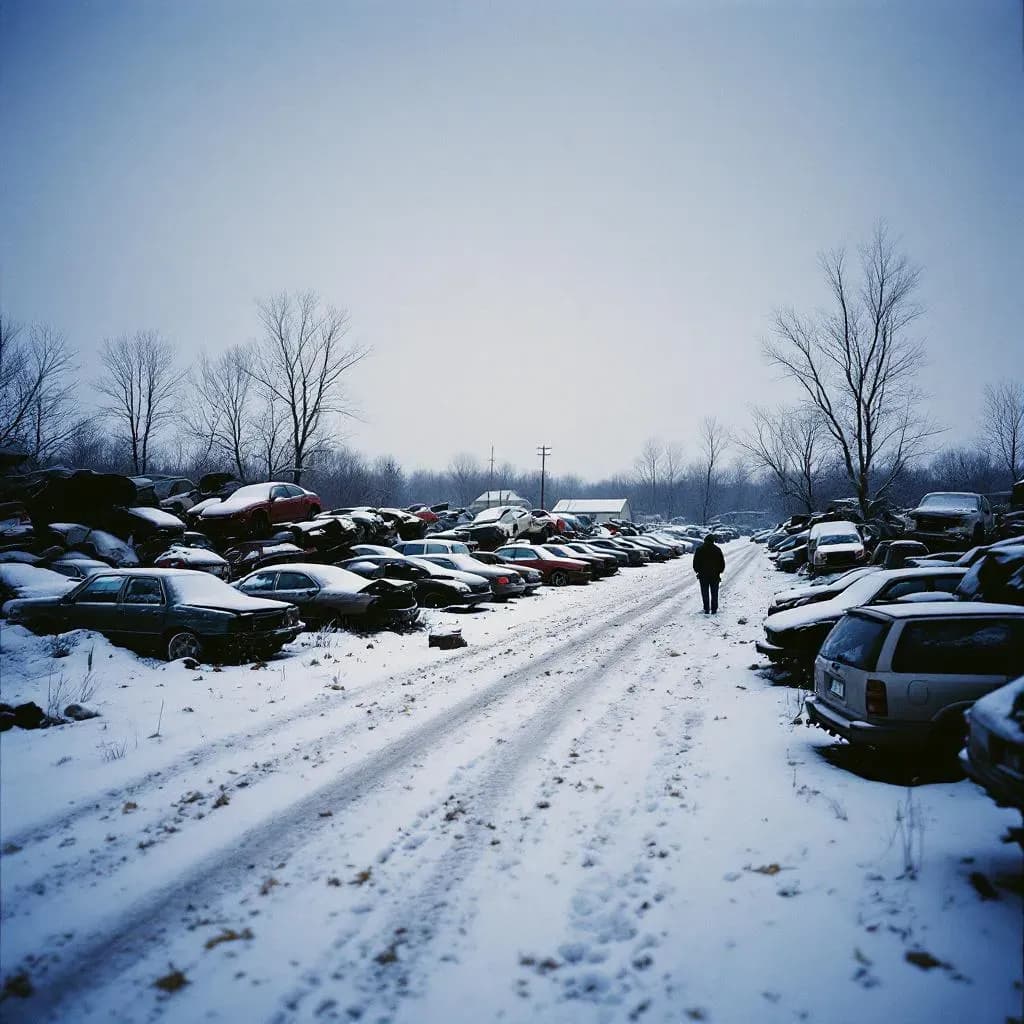
In October 2005, photographer Teresa Halbach disappeared after visiting a property in Manitowoc County, Wisconsin, owned by Steven Avery. She had made six visits to the location between June and October 31 that year to photograph vehicles for sale. The last confirmed contact was a phone call around 11 a.m. on Halloween, confirming her appointment. She never returned home.

Avery, then 43, was arrested and charged with her rape and murder. Four months later, his 16-year-old nephew Brendan Dassey was also arrested. Both men were convicted in 2007: Avery received a life sentence, as did Dassey.

Five years after their convictions, filmmakers Laura Ricciardi and Moira Demos released Making a Murderer on Netflix. The 10-episode series examined Avery's case in granular detail, focusing on procedural irregularities, evidence handling concerns, and the interrogation of the teenage Dassey—who confessed after four interviews conducted without legal representation.

The documentary struck a nerve. Avery's first conviction, in 1985, had been overturned in 2003 after he served 18 years for a rape he did not commit. He had barely been released before arrest in the Halbach case. For many viewers, the series suggested a system capable of convicting innocent people—and perhaps it had done so again.

But sources cited in subsequent investigations revealed evidence the documentary either minimized or omitted entirely. Avery's sweat DNA was found beneath the trunk latch and handle of Halbach's vehicle, the RAV4 discovered on his property. A car key with Avery's sweat DNA was located in his residence. Most significantly, a bullet recovered months after the initial search matched Avery's rifle and contained Halbach's DNA; Dassey had described this specific weapon in his confession.

Dassey's interrogations remain controversial. Without a lawyer present, the teenager was questioned four times and eventually confessed to assisting Avery in raping and murdering Halbach, including graphic details about a gunshot to the head. Importantly, forensic evidence contradicted key elements of his confession: no blood from Halbach was found in Avery's trailer or garage, despite his detailed account of the murder occurring there.
Avery had a documented history of violence. He was physically abusive to a former wife and fiancée. In September 2004, he was arrested for disorderly conduct following an altercation with girlfriend Jodi Stachowski and ordered to stay away for 72 hours. Dassey later claimed in phone calls and written statements that Avery had sexually abused him and his brothers.

The case became a cultural phenomenon. Making a Murderer generated millions of viewers and sparked theories about what "really" happened. Online communities investigated aspects of the case; petitions for pardons circulated; Avery and Dassey became names known far beyond Wisconsin.

Read more

Related Content
Dokumentarfilmen der reddede en dødsdømt mand fra henrettelse

The Documentary That Saved a Death Row Inmate From Execution

SS

Susanne Sperling

Share this post:

Yet the documentary's framing—skepticism toward prosecution, focus on potential misconduct—shaped public perception in ways that subsequent analysis suggested may have been incomplete. The series presented itself as an impartial examination but relied heavily on narrative choices about what to emphasize and what to downplay.

Today, Avery remains incarcerated, serving a life sentence. Dassey also remains in prison. Both maintain their innocence. Their case serves as a flashpoint in broader debates about documentary filmmaking, the criminal justice system, and how media narratives can crystallize public opinion—sometimes in ways at odds with physical evidence.

Making a Murderer remains required viewing for anyone interested in true crime, criminal procedure, or how documentaries shape our understanding of justice. Whether it tells the full truth remains fiercely contested.

## Sources

https://vocal.media/geeks/five-important-facts-making-a-murderer-left-out

https://onmilwaukee.com/articles/evidenceagainstavery

https://staging.pceinc.org/wp-content/uploads/2019/11/20160126-How-Making-a-Murderer-Went-Wrong-The-New-Yorker-Kathryn-Schultz.pdf

https://www.britannica.com/topic/Making-a-Murderer

Dokumentarfilmen der reddede en dødsdømt mand fra henrettelse
TV Series

The Documentary That Saved a Death Row Inmate From Execution

The Jinx: Dokumentaren hvor Robert Durst tilstod tre mord
TV Series

The Jinx: When Robert Durst Confessed to Three Murders on Mic

Making a Murderer — Dokumentaren der gjorde streaming til aktivisme
TV Series

Making a Murderer: When Streaming Became Activism

The Jinx: Dokumentaren hvor Robert Durst tilstod tre mord

The Jinx: When Robert Durst Confessed to Three Murders on Mic

Making a Murderer — Dokumentaren der gjorde streaming til aktivisme

Making a Murderer: When Streaming Became Activism

Ghislaine Maxwell

Ghislaine Maxwell

Advertisement

Making a Murderer: The Documentary That Divided a Nation

Netflix's 2015 series on Steven Avery's conviction raises questions about justice, evidence, and media influence

Quick Facts

In October 2005, photographer Teresa Halbach disappeared after visiting a property in Manitowoc County, Wisconsin, owned by Steven Avery. She had made six visits to the location between June and October 31 that year to photograph vehicles for sale. The last confirmed contact was a phone call around 11 a.m. on Halloween, confirming her appointment. She never returned home.

Avery, then 43, was arrested and charged with her rape and murder. Four months later, his 16-year-old nephew Brendan Dassey was also arrested. Both men were convicted in 2007: Avery received a life sentence, as did Dassey.

Five years after their convictions, filmmakers Laura Ricciardi and Moira Demos released Making a Murderer on Netflix. The 10-episode series examined Avery's case in granular detail, focusing on procedural irregularities, evidence handling concerns, and the interrogation of the teenage Dassey—who confessed after four interviews conducted without legal representation.

The documentary struck a nerve. Avery's first conviction, in 1985, had been overturned in 2003 after he served 18 years for a rape he did not commit. He had barely been released before arrest in the Halbach case. For many viewers, the series suggested a system capable of convicting innocent people—and perhaps it had done so again.

But sources cited in subsequent investigations revealed evidence the documentary either minimized or omitted entirely. Avery's sweat DNA was found beneath the trunk latch and handle of Halbach's vehicle, the RAV4 discovered on his property. A car key with Avery's sweat DNA was located in his residence. Most significantly, a bullet recovered months after the initial search matched Avery's rifle and contained Halbach's DNA; Dassey had described this specific weapon in his confession.

Dassey's interrogations remain controversial. Without a lawyer present, the teenager was questioned four times and eventually confessed to assisting Avery in raping and murdering Halbach, including graphic details about a gunshot to the head. Importantly, forensic evidence contradicted key elements of his confession: no blood from Halbach was found in Avery's trailer or garage, despite his detailed account of the murder occurring there.
Avery had a documented history of violence. He was physically abusive to a former wife and fiancée. In September 2004, he was arrested for disorderly conduct following an altercation with girlfriend Jodi Stachowski and ordered to stay away for 72 hours. Dassey later claimed in phone calls and written statements that Avery had sexually abused him and his brothers.

The case became a cultural phenomenon. Making a Murderer generated millions of viewers and sparked theories about what "really" happened. Online communities investigated aspects of the case; petitions for pardons circulated; Avery and Dassey became names known far beyond Wisconsin.

Yet the documentary's framing—skepticism toward prosecution, focus on potential misconduct—shaped public perception in ways that subsequent analysis suggested may have been incomplete. The series presented itself as an impartial examination but relied heavily on narrative choices about what to emphasize and what to downplay.

Today, Avery remains incarcerated, serving a life sentence. Dassey also remains in prison. Both maintain their innocence. Their case serves as a flashpoint in broader debates about documentary filmmaking, the criminal justice system, and how media narratives can crystallize public opinion—sometimes in ways at odds with physical evidence.

Making a Murderer remains required viewing for anyone interested in true crime, criminal procedure, or how documentaries shape our understanding of justice. Whether it tells the full truth remains fiercely contested.

## Sources

https://vocal.media/geeks/five-important-facts-making-a-murderer-left-out

https://onmilwaukee.com/articles/evidenceagainstavery

https://staging.pceinc.org/wp-content/uploads/2019/11/20160126-How-Making-a-Murderer-Went-Wrong-The-New-Yorker-Kathryn-Schultz.pdf

https://www.britannica.com/topic/Making-a-Murderer

Read more

Dokumentarfilmen der reddede en dødsdømt mand fra henrettelse
TV Series

The Documentary That Saved a Death Row Inmate From Execution

The Jinx: Dokumentaren hvor Robert Durst tilstod tre mord
TV Series

The Jinx: When Robert Durst Confessed to Three Murders on Mic

Making a Murderer — Dokumentaren der gjorde streaming til aktivisme
TV Series

Making a Murderer: When Streaming Became Activism

Related Content
Dokumentarfilmen der reddede en dødsdømt mand fra henrettelse

The Documentary That Saved a Death Row Inmate From Execution

The Jinx: Dokumentaren hvor Robert Durst tilstod tre mord

The Jinx: When Robert Durst Confessed to Three Murders on Mic

Making a Murderer — Dokumentaren der gjorde streaming til aktivisme

Making a Murderer: When Streaming Became Activism

Ghislaine Maxwell

Ghislaine Maxwell

Advertisement
SS

Susanne Sperling

Share this post: