Light in Darkness: Danish Documentary on Urban Conflict and Social Cha
Urban renewal as a source of conflict in 'Light in Darkness'
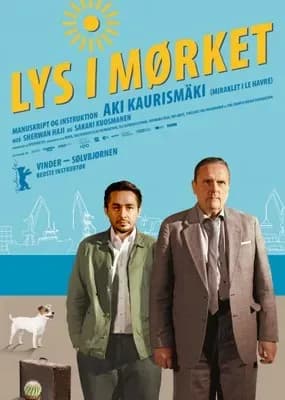
The fictional Danish town of Mørke serves as the setting for the documentary 'Light in Darkness', released in 2018 on DR1 and available on DRTV. Directed by Christoffer Dreyer and Ole Bendtzen, the film explores a contentious urban renewal process that highlights how local disagreements can illuminate larger societal themes. Rather than a traditional true crime narrative, the documentary presents a nuanced examination of power struggles and resource allocation as a community faces modernization. The filmmakers portray human conflicts with intensity, creating individualized portraits of the town's residents that resonate with viewers and provoke thoughtful reflection.
Power struggles and ethical journalism in focus
Critics have praised 'Light in Darkness' as "thought-provoking and entertaining." The film's true strength lies in its portrayal of complex power dynamics that emerge when communities confront rapid social transformation. Rather than relying on traditional true crime suspense and mystery, Dreyer and Bendtzen construct a narrative that explores the social tensions arising from modernization pressures. Their approach emphasizes individualized storytelling, allowing residents' perspectives to emerge organically rather than through imposed dramatic framing.
A central concern of the documentary is ethical journalism—specifically, how the balance between compelling narrative and objective reporting shapes public understanding. By prioritizing authentic representation over sensationalism, 'Light in Darkness' exemplifies Danish documentary cinema's capacity to combine social critique with aesthetic sophistication.
Documentary's role in understanding societal change
Although 'Light in Darkness' does not fit the classic true crime category, it raises important questions about how structural societal changes can escalate community conflicts. The film contributes to Denmark's broader documentary tradition of examining justice, power, and community from multiple angles. Rather than investigating a specific crime, the work functions as social commentary on how modernization processes affect ordinary people.
While the article's comparison to Søren Baastrup's investigative work cannot be verified with available sources, the documentary's impact on Danish discourse about community, change, and social responsibility is significant. 'Light in Darkness' demonstrates how documentary filmmaking can function as both social critique and enlightened storytelling, supporting the investigative mindset central to quality journalism.