Cecil Hotel: When True Crime Becomes Spectacle
How a Los Angeles landmark transformed from tragedy into entertainment, and what we lose in the process
Quick Facts
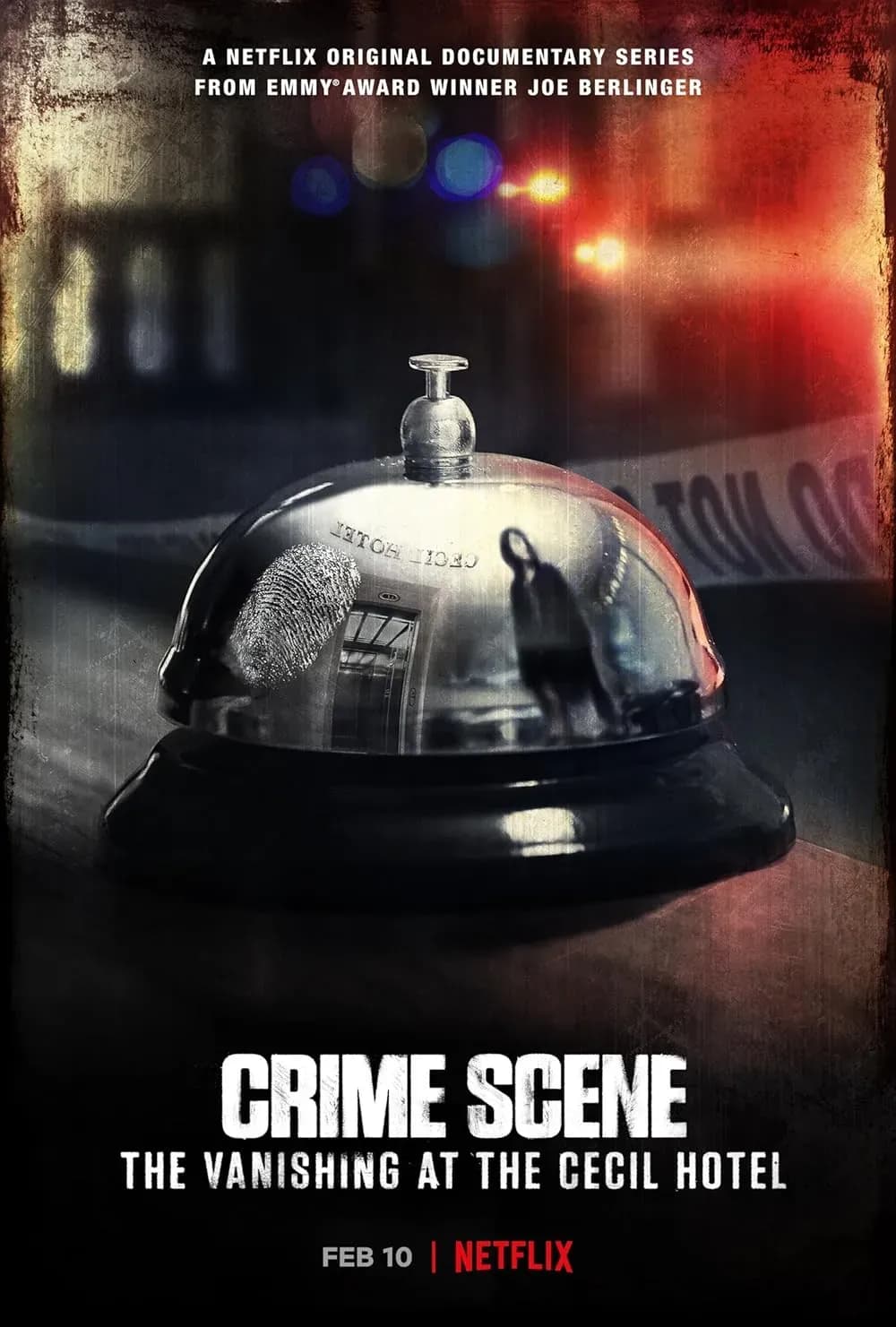
The Cecil Hotel opened its doors on December 20, 1924, as a respectable middle-class establishment in downtown Los Angeles. Nearly a century later, it stands as one of America's most infamous addresses—not because of what it was, but because of what happened within its walls, and how those tragedies have been packaged for mass consumption.
By the 1960s, the hotel had earned a grim nickname: "The Suicide." The label reflected documented reality. In 1927, Percy Ormond Cook shot himself after a dispute with his wife and child. In 1932, 25-year-old Benjamin Dodich was found dead from a self-inflicted gunshot with no suicide note. That same decade, Margaret Brown exited her room through a window, landing on the hotel marquee below. A 1933 incident claimed a truck driver pinned against the building. These were not rumors—they were recorded deaths that accumulated into a reputation.
But suicides were only part of the story. In 1947, Elizabeth Short—later known as the Black Dahlia—was reportedly seen at the Cecil's bar days before her murder. Her mutilated body was discovered seven miles away, and the case remains unsolved. In 1964, "Pigeon Goldie" Osgood, a 65-year-old resident, was found raped, stabbed, and beaten in her ransacked room. A suspect was arrested but acquitted, leaving another unsolved murder.