How a Welsh Serial Killer Was Caught Decades Later
A Danish-produced documentary explores the cold case breakthrough that brought John Cooper to justice
The KrimiNyt editorial team
A Danish-produced documentary explores the cold case breakthrough that brought John Cooper to justice
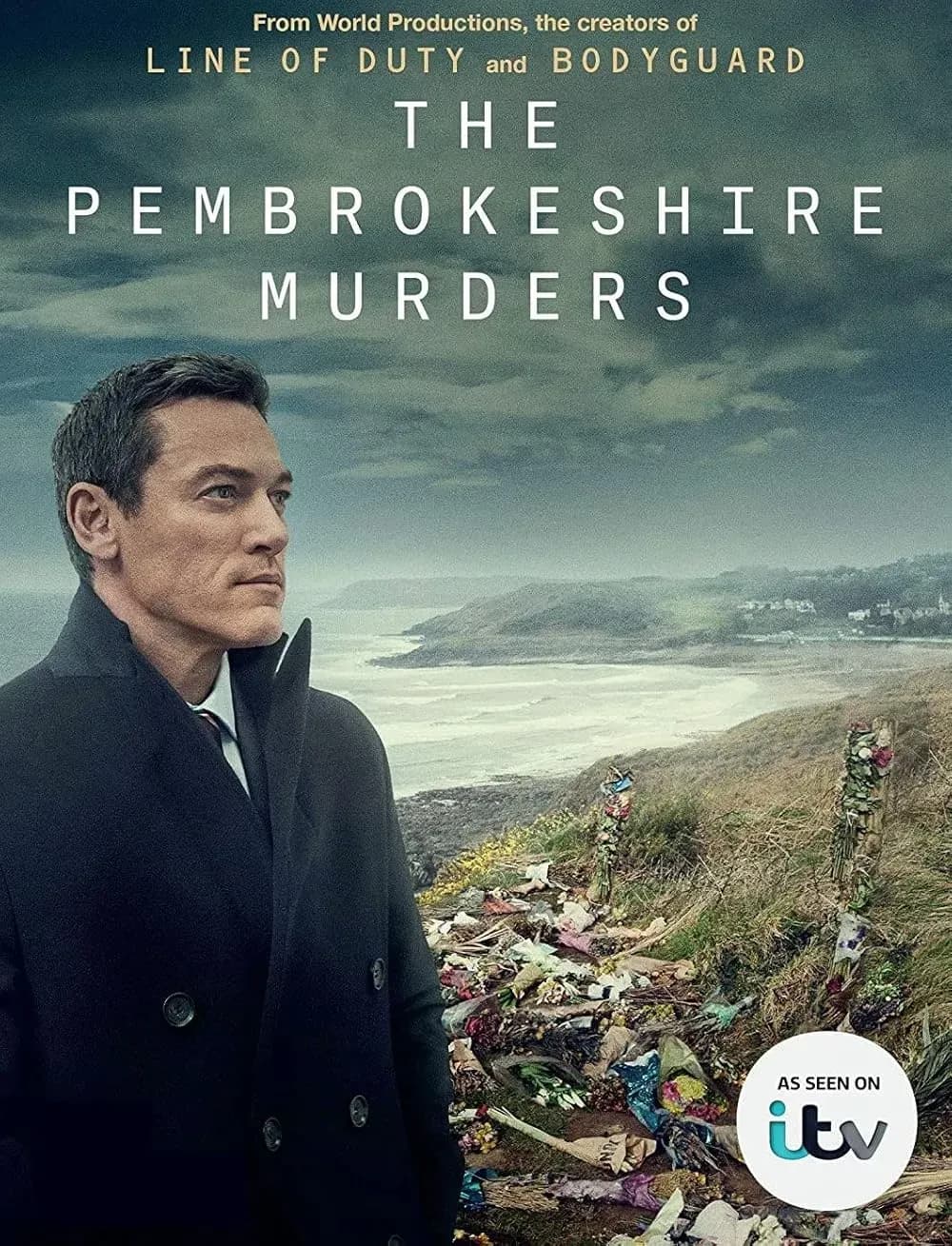
The 2021 documentary series 'Murders on the Coastal Path' (known in Danish as 'Drabene på kyststien') represents a significant entry in the international canon of cold case television, exploring how law enforcement can resurrect decades-old homicides through determination and forensic innovation.
The story centers on John Cooper, a serial predator who terrorized the rural communities of Pembrokeshire, Wales, with a series of brutal attacks spanning multiple years. Two particularly horrifying double murders—one in 1985 and another in 1989—remained officially unsolved for years, their files gathering dust in police archives. For the families of the victims and the isolated coastal communities where the crimes occurred, the cases represented a failure of justice that seemed permanent.
The series, created by directors Marc Evans and Nick Stevens, follows Detective Chief Superintendent Steve Wilkins as he undertakes the difficult work of reopening these cold cases. Wilkins became obsessed with finding answers where previous generations of investigators had encountered dead ends. His determination forms the emotional core of the three-episode narrative, illustrating the personal toll that unsolved crimes exact on investigators as well as victims' families.
What makes this documentary particularly noteworthy for international audiences is its methodical approach to case reconstruction. Rather than relying solely on dramatic reenactments, the series demonstrates how physical evidence—particularly blood samples—provided crucial links to Cooper's crimes. The combination of traditional forensic investigation with emerging DNA technology proved decisive in building a case that could survive scrutiny decades after the original offenses.
One of the most unusual aspects of the investigation involved the use of archival footage from vintage entertainment programs. These seemingly innocuous recordings became unexpectedly relevant to the case, highlighting how investigative breakthroughs can emerge from unconventional sources. This detail illustrates a broader truth about modern cold case work: investigators must think creatively and exploit every available resource, no matter how obscure.
Actually bringing these cases before a court required overcoming numerous legal and evidentiary challenges. The Welsh criminal justice system, like its counterparts across the UK and beyond, imposes strict standards on evidence admissibility—particularly for cases relying on evidence collected under older protocols. The series documents these procedural battles, demonstrating that solving a crime is only the first step toward securing a conviction.
The documentary also explores Cooper's criminal psychology and the pattern of violence that characterized his offenses. British actor Keith Allen's portrayal of Cooper adds depth to the narrative, moving beyond simple caricature to examine the mindset of someone capable of such calculated brutality. Rather than sensationalizing the killer, the series maintains focus on the investigative work and the dignity of the victims.
For viewers familiar with similar cases in other jurisdictions—such as the Yorkshire Ripper investigation in England or various cold cases pursued across Scandinavia and continental Europe—this series offers valuable insight into how detective work has evolved. Modern DNA analysis, digital forensics, and database cross-referencing have transformed what was once impossible into the achievable.
The Pembrokeshire murders represent a larger phenomenon affecting police forces worldwide: thousands of unsolved or inactive cases languishing in archives, many from before widespread DNA testing became available. As forensic science advances and investigative techniques improve, cold case units have become increasingly common. This series documents the tangible results when resources and expertise are finally redirected toward these forgotten files.
For international audiences, 'Murders on the Coastal Path' serves as both a procedural drama and a meditation on justice delayed. It demonstrates that persistence, combined with modern scientific methods, can eventually pierce the silence surrounding even the oldest crimes. The series remains essential viewing for those interested in how investigative breakthroughs occur and why some cases refused to stay closed.