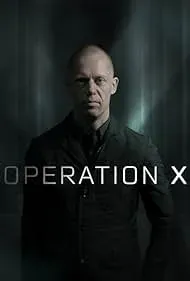
Denmark's Undercover Watchdog: How One TV Series Challenges Power
Operation X uses hidden cameras and confrontation to expose abuse in Scandinavia's most transparent society
By
Susanne SperlingOperation X uses hidden cameras and confrontation to expose abuse in Scandinavia's most transparent society
Since its debut in 2004, Operation X has occupied a unique space in Danish media: an aggressively investigative documentary series that confronts power in a country already known for transparency and low corruption. Produced by Morten Spiegelhauer, the TV2 programme challenges the assumption that Scandinavia's famous openness means all abuses are already visible.
The series employs a confrontational methodology combining deep journalistic research with hidden-camera investigation. This combination has proven effective at exposing crimes and unethical behavior that might otherwise remain invisible—not because systems are opaque, but because those in power rely on plausible deniability and informal networks to mask wrongdoing.
One of Operation X's most significant investigations targeted Helgstrand Dressage, a prominent equestrian facility. Hidden cameras documented extensive animal abuse within an institution that maintained a respectable public facade. The case exemplifies the series' core mission: revealing what exists beneath Denmark's polished surface.
Beyond animal welfare, Operation X has tackled contemporary social harms, including investigations into online consultants who manipulated young people and cases of labor exploitation. This breadth reflects a strategic editorial vision: power abuse takes many forms, from institutional violence to psychological manipulation, and all warrant scrutiny.
The confrontational approach sets Operation X apart from much Scandinavian documentary work. Rather than simply presenting findings, the team directly confronts subjects with evidence, often capturing moment when denials collapse. This strategy generates dramatic television, but it also serves journalism: it tests whether individuals will maintain their positions when challenged, and it generates on-camera admissions or contradictions.
For international audiences, Operation X represents something worth understanding about Danish and Nordic media culture. These are societies with strong press freedom protections, independent public broadcasters, and relatively low institutional corruption. Yet they still require investigative programs because structural problems persist. Abuse happens in plain sight within systems that appear well-regulated. The difference between Scandinavian and more corrupt democracies isn't that power abuse doesn't occur—it's that it's more difficult to hide and more consequential when exposed.
The series has earned recognition within Danish journalism and contributed to raising public awareness about corruption and institutional misconduct. Its investigations have influenced policy conversations and, in some cases, prompted formal investigations or institutional reforms.
Operation X also illustrates the evolving role of television in accountability. While the series predates the social media age, it has adapted to contemporary concerns: digital exploitation, online fraud, labor conditions in the gig economy. Each season reflects current anxieties about where power is being abused in Danish society.
Available on TV2 Play, the streaming platform of Denmark's largest commercial broadcaster, Operation X remains accessible to both Danish audiences and international viewers with platform access. This accessibility matters for media literacy: the series models how investigative journalism operates—the questions asked, the evidence gathered, the confrontations staged.
For viewers outside Scandinavia, Operation X offers insight into how accountability journalism functions in high-trust societies. It demonstrates that transparency and low corruption don't eliminate the need for aggressive investigation. If anything, in systems where most actors follow rules most of the time, the rule-breakers and abusers become more important to expose—because they exploit the very systems designed to protect people.
The series' longevity since 2004 suggests sustained audience demand for this type of journalism, even in countries where institutional trust remains relatively high. Danes want to see power challenged, evidence presented, and wrongdoers confronted. Operation X delivers that in ways that conventional news reporting sometimes cannot.