Æra1989–1992 (primært 1980'erne og begyndelsen af 1990'erne)
Sagstypeseriemordsag
Who Was Ivan Milat?
Ivan Robert Marko Milat was an Australian serial killer born on 27 December 1944 in Guildford, New South Wales, Australia. He would go on to become one of the most infamous criminals in Australian history, known internationally under the moniker the Backpacker Murderer. Milat committed seven confirmed murders in New South Wales between 1989 and 1992, targeting young backpackers and hitchhikers who were passing through the region. He was arrested in May 1994, convicted in July 1996, and died in prison on 27 October 2019.
Milat's background prior to his crimes is not detailed in the available verified research, but his offending record — which encompassed abduction, assault, robbery, and murder under New South Wales law — points to a pattern of escalating criminal behaviour that culminated in one of Australia's worst serial killing sprees.
The Crimes
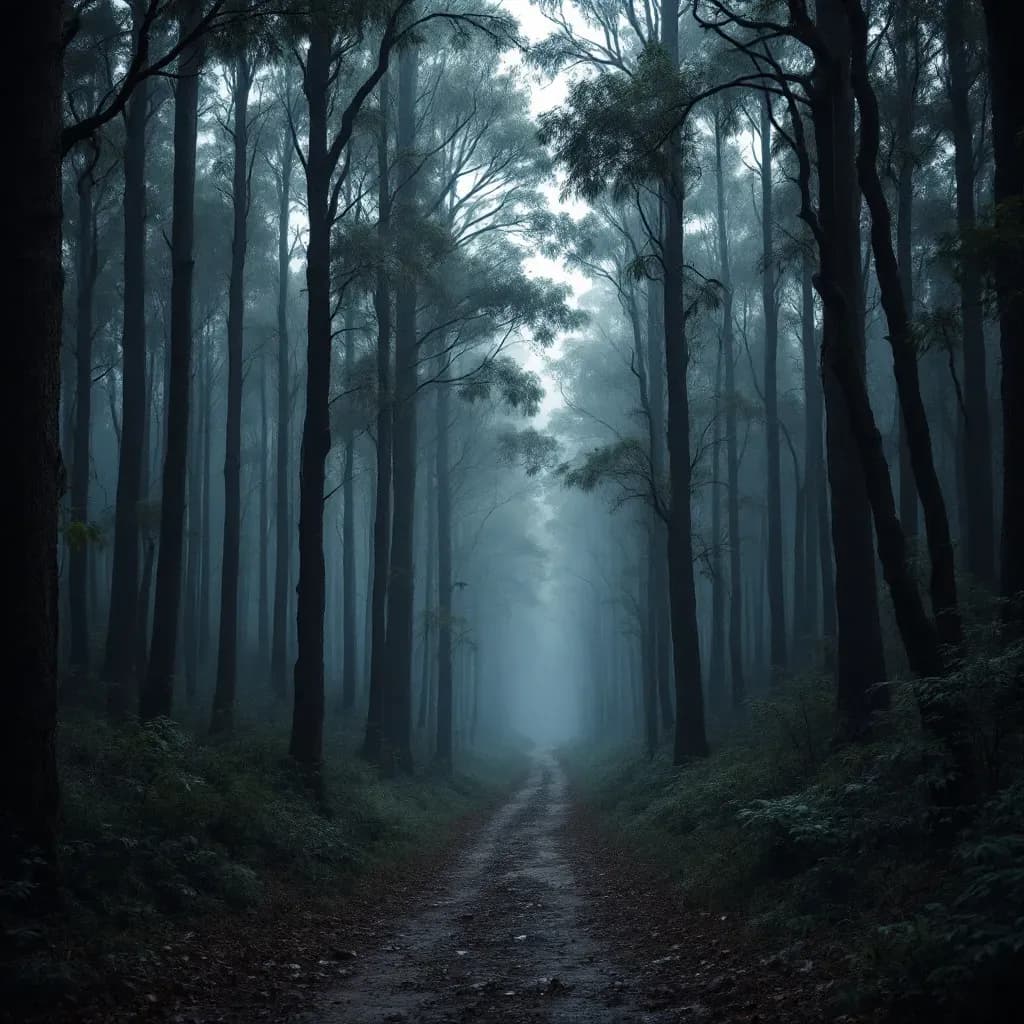
Milat's confirmed murders took place across a three-year period between 1989 and 1992 in New South Wales, Australia. His modus operandi was methodical and predatory: he allegedly posed as a driver offering transport to backpackers and hitchhikers travelling along the Hume Highway in southern New South Wales. Once a victim accepted a ride, Milat would abduct them and drive them to isolated areas within Belanglo State Forest, a dense bushland south of Sydney. There, he incapacitated and murdered them.
Timeline
27 December 1944
Ivan Milat fødes
Ivan Robert Marko Milat fødes i Guildford, New South Wales, Australien.
1 January 1989
Drabene begynder
Ivan Milat begynder sin aktive periode som seriemorder i New South Wales; ofrene er backpackere og hitchhikere bortført langs Hume Highway.
31 December 1992
Aktiv periode slutter
De syv bekræftede drab finder sted i perioden 1989–1992 i og omkring Belanglo State Forest.
22 May 1994
Anholdelse
Ivan Milat anholdes den 22. maj 1994 og sigtes for bortførelse, overfald, røveri og mord.
27 July 1996
The remoteness of Belanglo State Forest meant that the crimes went undetected for an extended period. The bodies of his seven victims were eventually discovered in the forest, each case confirming the brutal and deliberate nature of his attacks. His offences under New South Wales law included abduction, assault, robbery, and murder — a combination that reflected both his predatory method of approach and the violence he employed once victims were in his control.
The choice of the Hume Highway as a hunting ground was significant. The highway is a major arterial route connecting Sydney to Melbourne, and it was — and remains — a common route for backpackers travelling between Australia's major cities. Milat exploited the trust that hitchhikers and travellers placed in strangers offering assistance, turning a routine act of seeking a lift into a fatal encounter.
Victim Profile
Milat's seven confirmed victims were backpackers and hitchhikers who were travelling in New South Wales. The research confirms that they were targeted along the Hume Highway in southern New South Wales and that their remains were found in Belanglo State Forest. The victims' nationalities and individual identities are not further detailed in the available verified research materials, but their shared profile — young travellers relying on the goodwill of strangers for transport — made them vulnerable to Milat's specific method of predation.
The discovery of the victims in the forest ultimately provided investigators with the physical evidence needed to build a case against Milat and bring the killings to public attention, triggering one of Australia's largest criminal investigations.
Supreme Court of New South Wales dømmer Ivan Milat for syv drab og idømmer ham syv livstidsdomme samt yderligere straf for overfaldet på Paul Onions.
27 October 2019
Ivan Milat afgår ved døden
Ivan Milat dør i fængsel den 27. oktober 2019.
Milat was arrested on 22 May 1994, more than two years after his final confirmed murder. The investigation that led to his arrest was extensive, and the case against him was built on the evidence recovered from Belanglo State Forest and elsewhere in New South Wales.
He was subsequently tried in the Supreme Court of New South Wales. The trial lasted eighteen weeks, during which the court heard substantial testimony. On 27 July 1996, the jury returned a guilty verdict on all counts. Milat was sentenced to seven life sentences without the possibility of parole, one for each of his confirmed victims. No specific statute number is identified in the available research, but his convictions were recorded under New South Wales law for abduction, assault, robbery, and murder.
Milat served the remainder of his life in prison. He died on 27 October 2019, bringing a definitive end to a case that had haunted Australia for decades.
Media Coverage
The Backpacker Murders have been the subject of sustained media attention in Australia and internationally. On Australian television, the Seven Network aired a documentary titled Ivan Milat: Buried Secrets, which was reported by Mediaweek as premiering across two Sundays. The documentary explored the crimes and their aftermath.
The case also featured in the documentary series Crime Investigation Australia, with a dedicated episode titled "Ivan Milat: The Backpacker Murders", broadcast in 2006 and subsequently made available on Apple TV as well as on Tubi.
60 Minutes produced a segment titled "Australia's murderous family: The Milats", which was later uploaded to YouTube and examined the broader Milat family in the context of the crimes. Additional YouTube journalism has covered the case under the title Ivan Milat: The Backpacker Murders That Haunted The Australian..., further extending the reach of coverage beyond traditional broadcast media.
No podcasts, books, or feature films based on the Ivan Milat case are identified in the available verified research.