Sagsmappe
Fashion's Darkest Hour: The Versace Murder and Nordic Obsession
How a Danish true crime narrative explores the 1997 killing that captivated the world
BEVIS
How a Danish true crime narrative explores the 1997 killing that captivated the world
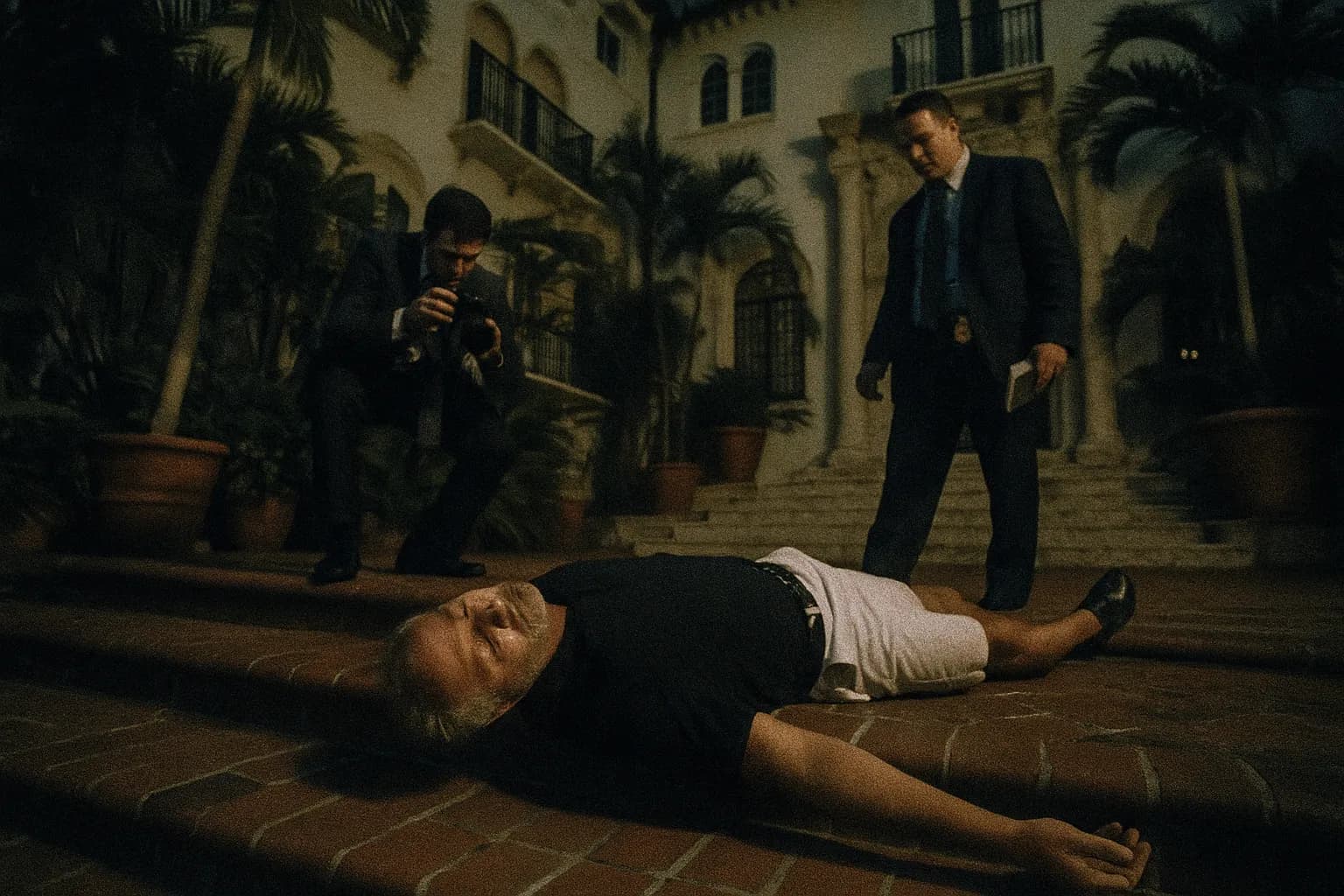
On the morning of July 15, 1997, Italian fashion designer Gianni Versace was shot and killed outside his Miami Beach mansion, Casa Casuarina. The murder would become one of the most scrutinized crimes of the late 20th century—and a case that has maintained particular resonance in Scandinavian and Northern European true crime circles, where fascination with American serial killer narratives runs deep.
The killer was Andrew Phillip Cunanan, a 27-year-old American who had spent the preceding three months on a deadly rampage across the United States. Between April and July 1997, Cunanan murdered five people, using the same stolen Taurus pistol in each killing. The Versace murder—committed with two shots while the designer stood on his home's entrance steps—would become the final and most high-profile act in a brief but brutal spree.
What distinguishes the Versace case in the landscape of American true crime is not merely its sensational details, but the way it bridged popular celebrity culture and criminal pathology. For Nordic and European audiences, the case offered a peculiar window into American excess: wealth, fame, and the capacity for violence intersecting in an iconic location. Versace's status as an internationally recognized fashion icon meant that his death registered globally in ways that the murders of Cunanan's other four victims—which included a real estate agent in Chicago and a cemetery worker in New Jersey—did not.
Erster Mord: Jeffrey Trail
Andrew Cunanan tötet seinen Bekannten Jeffrey Trail in Minneapolis. Dies ist der Beginn seiner dreimonatigen Mordserie.
Zweiter Mord: David Madson
Cunanan erschießt seinen ehemaligen Freund David Madson am East Rush Lake in Minnesota.
Dritter Mord: Lee Miglin
Der Immobilienmakler Lee Miglin wird in Chicago brutal ermordet. Cunanan stiehlt sein Fahrzeug.
Vierter Mord: William Reese
Cunanan tötet den Friedhofswärter William Reese in New Jersey und stiehlt dessen Pick-up-Truck.
Ankunft in Miami Beach
Andrew Cunanan bezieht ein Zimmer im Normandy Plaza Hotel in Miami Beach, nur vier Kilometer von Versaces Villa entfernt.
FBI-Fahndungsliste
Das FBI setzt Andrew Cunanan auf die Liste der zehn meistgesuchten Verbrecher der USA.
Mord an Gianni Versace
Um 8:45 Uhr erschießt Cunanan den Modedesigner Gianni Versace vor dessen Villa Casa Casuarina in Miami Beach. Versace wird um 9:21 Uhr im Krankenhaus für tot erklärt.
Cunanans Suizid
Acht Tage nach dem Versace-Mord nimmt sich Andrew Cunanan auf einem Hausboot in Miami Beach das Leben. Er erschießt sich mit der Taurus-Pistole, mit der er alle seine Opfer tötete.
The Danish-language true crime narrative tradition, like other Scandinavian traditions, has shown sustained interest in serial killer psychology and American crime scenes. This reflects a broader Nordic cultural pattern: despite low violent crime rates domestically, Scandinavian audiences, filmmakers, and writers have maintained intense engagement with narratives of American criminal violence. The success of Nordic noir television and the international popularity of Scandinavian crime fiction suggests that this fascination serves a particular function—examining danger and chaos through geographic and cultural distance.
Cunanan's brief fugitive period following the Versace murder lasted only eight days. On July 23, 1997, he took his own life on a Miami Beach houseboat, shooting himself with the same weapon that had killed his five victims. This dramatic conclusion provided narrative closure that true crime storytellers found compelling: the spree ended not through law enforcement intervention, but through the killer's own hand.
The investigation revealed that Cunanan had deliberately positioned himself in Miami with clear intent. He had arrived in the city on May 12, 1997, and lived less than four kilometers from Versace's mansion at Normandy Plaza. The targeting of Versace was not random—it appeared calculated, part of a deliberate strategy to achieve notoriety through the murder of a world-famous figure.
For Scandinavian true crime audiences, the case encapsulates several recurring themes: the performative nature of serial violence, the role of celebrity in amplifying criminal narratives, and the psychological machinery that transforms ordinary individuals into instruments of death. The five murders committed across multiple states using identical methodology raised questions about detection failures, geographic jurisdiction challenges, and the particular vulnerabilities of transient populations.