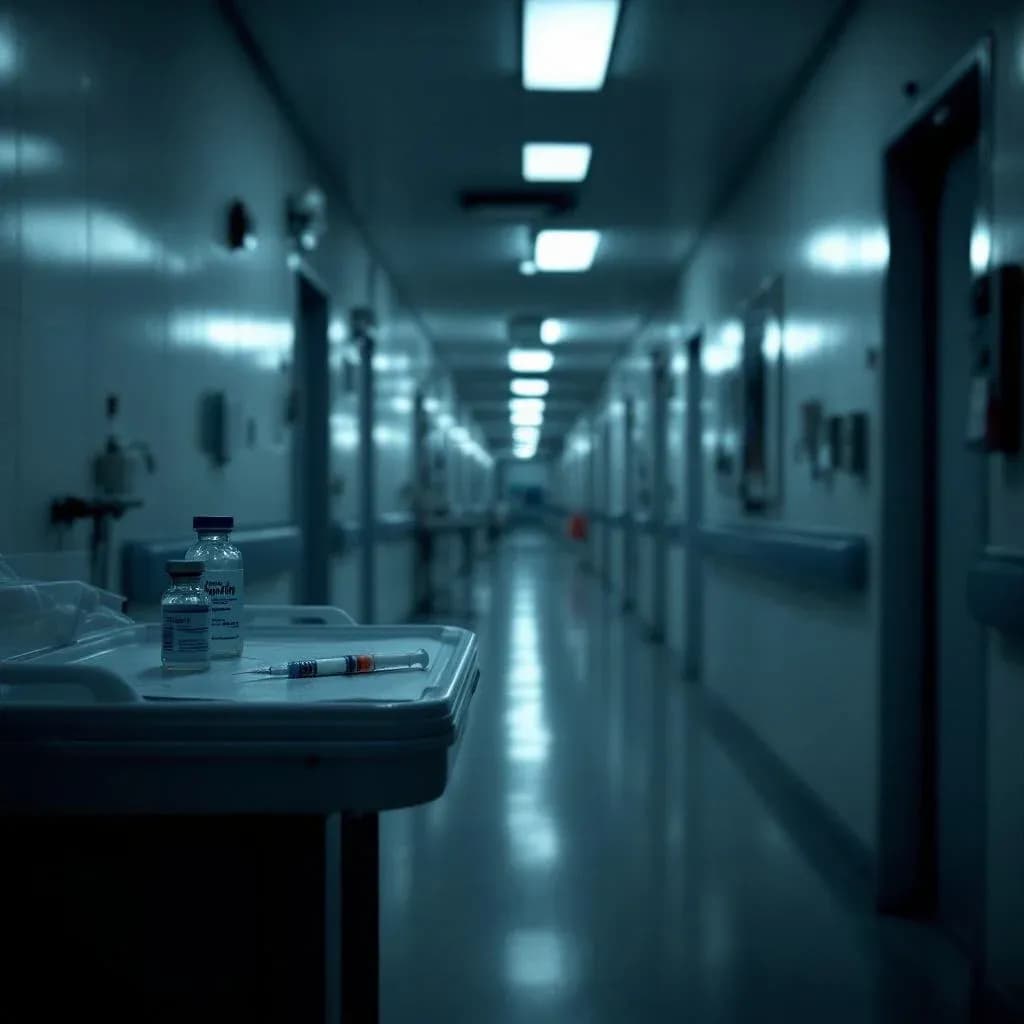
In the summer of 2012, Berlin police investigated a serious case on the intensive care unit at Charité Hospital: several patients had fallen into comas without any apparent cause following insulin injections. Their clinical deterioration was inexplicable to doctors until the hospital alerted authorities.
The Discovery
Timeline
15 June 2012
Unerklärliche Koma-Fälle in der Charité
Die Intensivstation des Krankenhauses entdeckt, dass mehrere Patienten ohne Diabetes-Diagnose nach Insulin-Injektionen ins Koma fallen.
10 July 2012
Polizei wird eingeschaltet
Die Krankenhausleitung erstattet Anzeige bei der Berliner Polizei, nachdem das Muster der Vergiftungen deutlich wird.
20 August 2012
Krankenschwester festgenommen
Eine 42-jährige Krankenschwester wird festgenommen, nachdem sie als Hauptverdächtige unter den Mitarbeitern der Station identifiziert wurde.
5 September 2012
Geständnis
Die Krankenschwester gesteht, mindestens drei Patienten ohne ärztliche Anordnung injiziert zu haben.
18 March 2013
Gerichtsverfahren abgeschlossen
Das Gericht spricht die Krankenschwester der Körperverletzung durch Giftvergiftung schuldig und verhängt eine Haftstrafe.
1 May 2013
Sicherheitsreformen umgesetzt
Die Charité und andere deutsche Krankenhäuser führen strengere Medikamenten-Dokumentationssysteme und verstärkte Überwachung auf Intensivstationen ein.
The ward had noticed an unusual pattern: multiple patients without pre-existing diabetes were being treated with large insulin doses. Their blood sugar levels dropped dramatically, sending them into life-threatening hypoglycemic comas. Hospital management became aware that the doses were being prescribed without orders from responsible physicians.
A 42-year-old German nurse was suspected of injecting patients with insulin without medical indication. Her motivation was believed to be a desire for attention or pathological control over patients—a phenomenon known as Munchausen syndrome by proxy.
Criminal police and hospital management launched a thorough investigation of all her work shifts. Several patients recalled being wet around injection sites or hearing her discuss administering medicine without a doctor's order. Blood tests confirmed insulin overdose poisoning in at least six cases.
The nurse was arrested and later confessed to injecting patients with insulin without medical authorization. However, she claimed it had only happened in a few cases, whereas the charges encompassed more incidents than her own confession documented.
The Conviction
In 2013, the nurse was found guilty of causing bodily harm to at least six people through poisoning. She was sentenced to prison and stripped of her nursing license. The case prompted comprehensive revisions of safety protocols at German hospitals and increased focus on medication handling controls in intensive care units.
Charité Hospital subsequently implemented stricter logging systems for medication administration and increased monitoring of nurses in sensitive departments—measures that became standardized at many German hospitals.