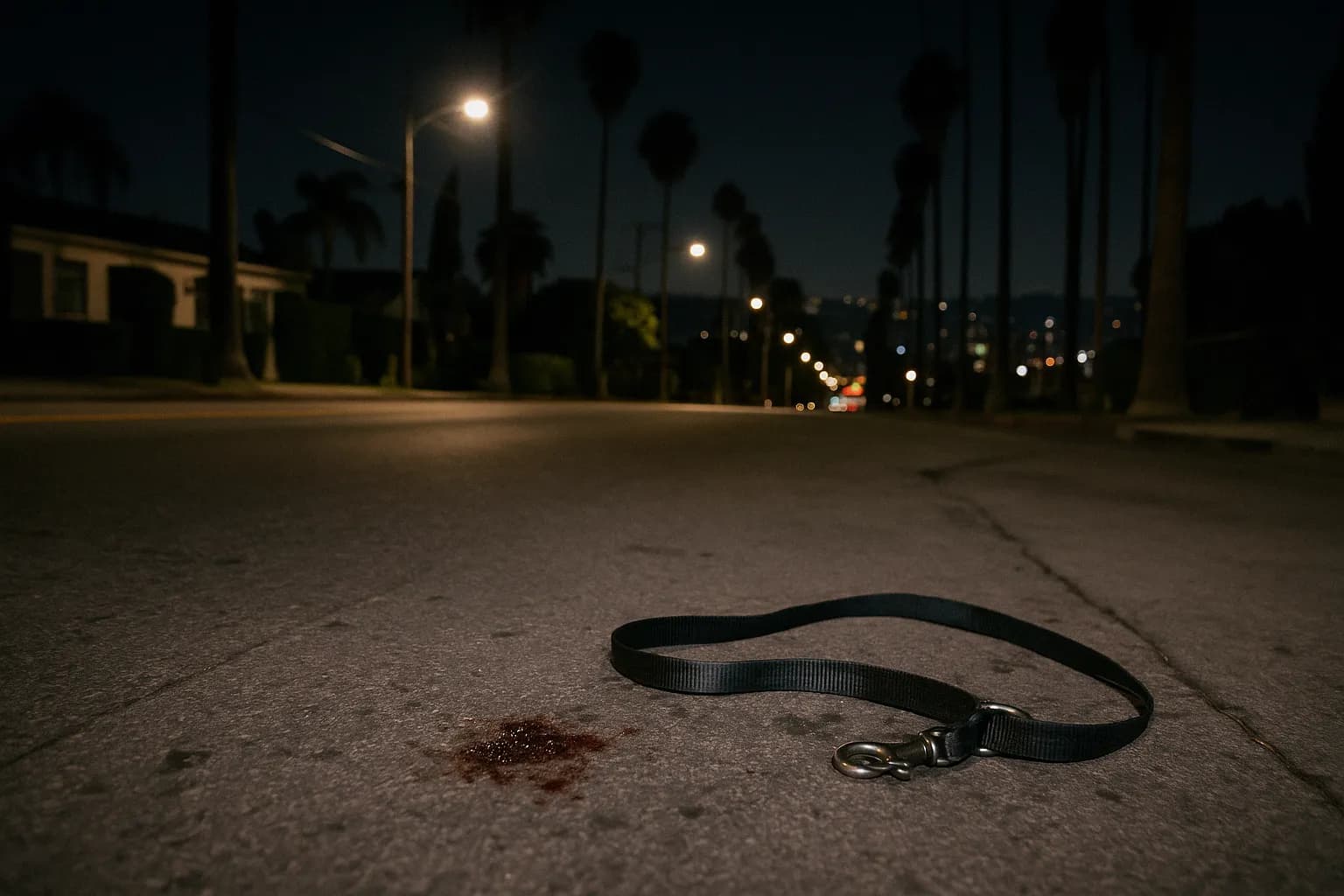
The February 10, 2021 armed robbery in the affluent North Sierra Bonita Avenue neighborhood of Los Angeles was ostensibly straightforward: two men targeted dog walker Ryan Fischer, shot him once in the chest, and fled with two French bulldogs named Koji and Gustav. What followed was an international incident that exposed the murky underworld of high-value pet theft and the vulnerability of even the most protected celebrities.
Fischer survived the shooting and was reported to be in stable condition. A third dog, Miss Asia, managed to escape the scene and was recovered by Fischer's security detail. But the theft of Koji and Gustav immediately attracted global attention—the dogs belonged to Lady Gaga, one of the world's most recognizable entertainers.
The thieves' targeting of French bulldogs was not incidental. These compact, wrinkled-faced dogs command premium prices in both legal and black markets, often selling for several thousand dollars per animal. In wealthy urban markets, a stolen purebred French bulldog can fetch $5,000 to $10,000 or more, making them attractive targets for organized theft rings. The breed's popularity among celebrities and wealthy individuals compounds the problem, creating a supply-and-demand dynamic that fuels international smuggling networks.
Timeline
10 February 2021
Bewaffneter Überfall
Ryan Fischer wird in Los Angeles angeschossen, zwei französische Bulldoggen (Koji und Gustav) werden gestohlen. Ein dritter Hund (Miss Asia) kann fliehen.
11 February 2021
Lady Gaga setzt Belohnung aus
Die Besitzerin der Hunde, Popstar Lady Gaga, bietet 500.000 US-Dollar für die sichere Rückgabe ihrer Hunde.
12 February 2021
Hunde wiedergefunden
Beide Hunde werden unversehrt an einer Polizeistation in Los Angeles abgegeben. Eine unbeteiligte Frau bringt die Tiere zur Polizei.
Lady Gaga responded swiftly by offering a $500,000 reward for the safe return of her dogs—no questions asked. The extraordinary sum underscored both her attachment to the animals and the celebrity factor that would ultimately shape the case's resolution.
Within days, both dogs were returned to the Los Angeles Police Department's Olympic Community Police Station. Authorities revealed that a woman had delivered the animals, describing her as "uninvolved and unconnected" to the original robbery. This detail raised questions about the chain of custody and whether intermediaries were used to distance the stolen dogs from the primary perpetrators—a common strategy in organized pet theft operations.
The case gained international media attention for several reasons beyond the celebrity involvement. It highlighted a growing criminal enterprise targeting designer dog breeds, particularly in affluent American neighborhoods. Similar incidents have been reported across North America and Europe, where organized gangs steal purebred animals from both homes and handlers, exploiting demand from wealthy buyers and breeders.
For international law enforcement, the case also illustrated the challenges of pursuing cross-border pet theft. Dogs can be quickly transported across state and international lines, placed with new owners or breeding operations, and effectively laundered into legitimate ownership within weeks. The lack of standardized micro-chipping and registration protocols across jurisdictions complicates recovery efforts.
The investigation into the actual perpetrators—described as men in their 20s, one wearing blonde dreadlocks and a black hoodie, fleeing in a four-door Nissan Altima—reportedly continued beyond the dogs' recovery. However, public information on arrests, charges, or prosecutions remains limited in English-language sources, a gap that reflects both the case's celebrity dimensions and potential ongoing investigation sensitivity.
For celebrities and high-net-worth individuals globally, the incident underscored the need for enhanced security protocols when employing dog handlers and protective measures for valuable pets. The Gaga case became a cautionary reference point in discussions about pet security, leading some wealthy dog owners to invest in armed protection services, GPS tracking, and security cameras specifically monitoring their animals.