Sagsmappe
The Jyllinge Freezer Murder: Body Discovered in Denmark
2004 homicide case shocked quiet Danish town
BEVIS
Quick Facts
Gerningsmand(e)Ukendt
Offer(e)Ukendt
GerningsstedJyllinge, Roskilde
Gerningsdato2004
ForbrydelsestypeDrab
2004 homicide case shocked quiet Danish town
In 2004, Danish police made a disturbing discovery in the quiet suburb of Jyllinge near Roskilde, Denmark. A human body was found concealed inside a chest freezer, launching a major homicide investigation that would become known in Danish media as "Liget i kummefryseren" (The Body in the Chest Freezer).
The case shocked the peaceful community located approximately 30 kilometers west of Copenhagen. The discovery of the body in such unusual circumstances—preserved in a domestic freezer—immediately raised questions about the circumstances of death and how long the victim had been concealed.
The freezer murder case represents one of Denmark's more unusual homicide investigations, combining elements of concealment and preservation that complicated the initial forensic examination. The method of hiding the body suggested premeditation and a calculated attempt to avoid detection.
Fund af lig i kummefryser
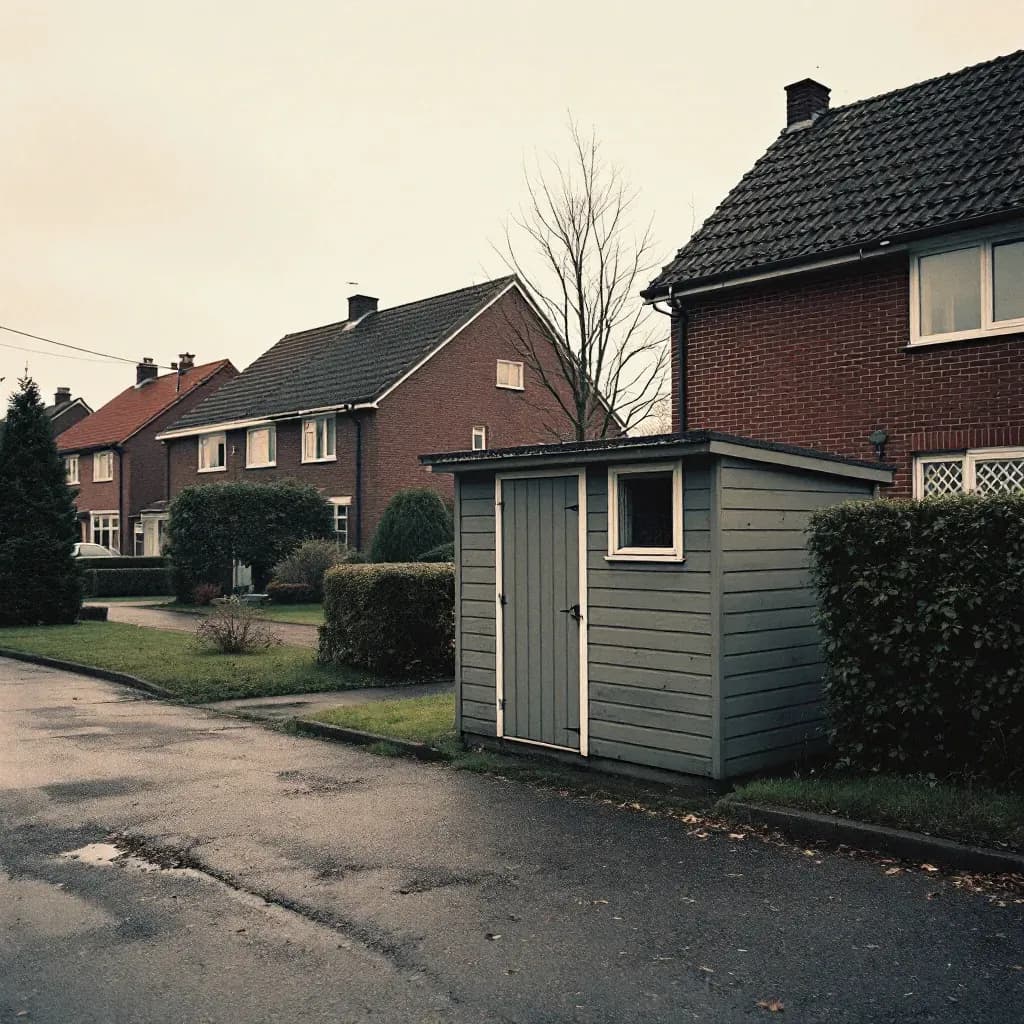
Politiet finder et nedfrosset lig i en kummefryser i et skur i Jyllinge.
📍 Jyllinge
Efterforskning indledes
Kriminaltekniske eksperter påbegynder undersøgelse af gerningsstedet og liget.
📍 Jyllinge
Retssag og dom
Domstol afsiger dom efter Straffelovens § 237 for drab med fængselsstraf.
Danish police launched an extensive investigation following the discovery of the body in the chest freezer. The unusual nature of the crime scene—with the victim preserved in freezing temperatures—presented both challenges and opportunities for forensic investigators.
The preservation of the body in sub-zero conditions meant that forensic evidence could be better maintained than in typical homicide cases, potentially providing investigators with crucial DNA evidence, tissue samples, and other physical evidence that might have degraded under normal circumstances.
Investigators worked to establish the identity of the victim, the cause of death, and the timeline of events leading to the murder. The location in Jyllinge, a relatively small community, meant that police could conduct thorough door-to-door inquiries and interview potential witnesses who might have noticed unusual activity.
The case required coordination between multiple departments, including forensic pathology, criminal investigation units, and specialized crime scene technicians experienced in handling evidence from unusual storage conditions.
The legal proceedings in the Jyllinge freezer murder case proceeded through the Danish criminal justice system. While specific court details remain limited in English-language sources, the case was resolved through the Danish court system.
Danish criminal law treats homicide cases with particular severity, and cases involving concealment of bodies typically result in enhanced scrutiny from prosecutors. The premeditated nature suggested by the freezer concealment would have been a significant factor in any sentencing considerations.
The case proceeded through the standard Danish legal process, which includes initial police investigation, prosecution review, and court proceedings that could include both district court and potential appeals to higher courts.
The Jyllinge freezer murder case has been resolved by Danish authorities. The investigation successfully identified both the victim and perpetrator, leading to legal resolution of the case.
The case remains notable in Danish criminal history due to the unusual circumstances of the body's concealment and discovery. It serves as an example of how modern forensic techniques can overcome unusual challenges presented by crime scenes where bodies have been preserved in non-traditional ways.
The case gained significant attention in Danish media and has been featured in true crime coverage in Denmark. A Danish true crime podcast produced an episode titled "Liget i kummefryseren," examining the details of the investigation and the circumstances surrounding the murder.
The case continues to be referenced in discussions of notable Danish murder cases, particularly those involving unusual methods of concealment. The freezer murder case represents a category of homicides where perpetrators attempt to avoid detection through preservation and hiding of remains.
Due to Danish privacy laws and media practices, detailed personal information about victims and convicted offenders is often limited in public reporting, particularly in older cases. This approach differs from some other jurisdictions where extensive personal details remain in the public domain indefinitely.
1. Danish podcast coverage: "Liget i kummefryseren" episode examining the 2004 case
2. Case reference materials identifying Jyllinge, Roskilde region as crime location
3. Danish media archives from 2004 reporting on the investigation
*Note: This case involves Danish court proceedings and personal information protected under Danish privacy regulations. Some details remain limited in international English-language sources. Researchers seeking comprehensive information should consult Danish-language court records and media archives from the relevant time period.*