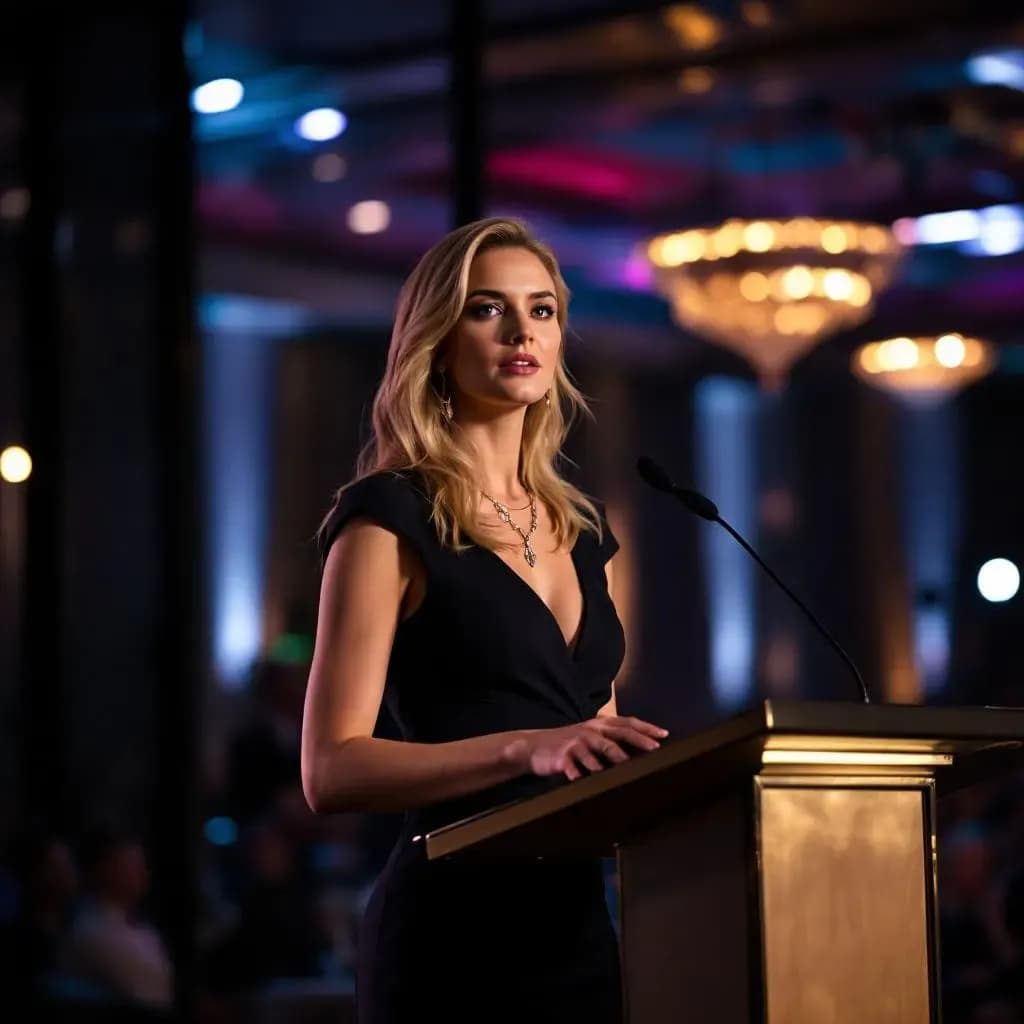
Ruja Ignatova was born in Bulgaria in 1980 and moved to Germany as a young child. She claimed to hold a doctorate from Oxford University and a background in medicine and finance — claims that later proved to be lies. In 2014 she launched OneCoin from her home city of Sofia, marketing it as the "Bitcoin killer" or "Bitcoin's source."
OneCoin was not a real cryptocurrency. Nominally based on blockchain technology, it existed in practice only in marketing materials and promises. Ignatova guaranteed members enormous returns — as much as 15 to 16 times their initial investment within just a few years. She built a pyramid scheme structure in which existing members earned money by recruiting new investors, not through any actual trading activity.
Timeline
1 January 2014
OneCoin grundlagt
Ruja Ignatova lancerer OneCoin fra Sofia, præsenteret som en revolutionerende kryptovaluta og pyramidespil med lovet urimelig høj afkast.
1 June 2015
Eksplosiv vækst
OneCoin når millioner af medlemmer verden over. Glamourøse konferencer på luxushoteller fungerer som rekrutteringspladsformer.
1 September 2016
Første kritisk undersøgelse
Journalist Andrzej Czupryński udgiver dokumentation af OneCoin som pyramidespil uden reel kryptovaluta-værdi.
25 October 2017
Ignatova forsvinder
Ruja Ignatova holder sin sidste kendte offentlige optræden på konference i Lissabon, derefter forsvinder hun fra offentlighed.
27 October 2017
Broders arrestation
Konstantin Ignatov, Rujas bror, arresteres i Los Angeles for hvidvaskning af OneCoin-penge.
1 July 2022
FBI Top 10
Ruja Ignatova optages på FBIs liste over Amerikas 10 mest efterlyste personer — enestående for en kvinde uden volds-kriminalitet.
4 July 2023
Søsteren arresteret
Katerina Ignatova arresteres i Italien, udleveres til USA for tiltale i OneCoin-sag som medsammensvorne.
The operation grew at explosive speed. Through glamorous conferences held at hotels around the world — from Bangkok to Las Vegas — Ignatova constructed a cult of personality around OneCoin. She presented herself as the embodiment of effortless success: diamond rings, designer clothing, and conspicuous luxury. The promise was simple: millionaires could be made overnight.
Money from desperate people
The people who fell for OneCoin were often vulnerable: unemployed, deep in debt, or from developing countries who saw it as their only path to financial freedom. Ignatova actively targeted these groups. She hired so-called promoters — many of whom were unaware of the full extent of the scheme's illegal nature — who used aggressive multi-level marketing tactics and social media to recruit new members.
The money was never invested in anything real. Instead it was used to fund Ignatova's lavish lifestyle and to pay earlier members small dividends — a classic pyramid scheme strategy that kept the system running until it collapsed.
Estimates of the total amount defrauded range from $4 billion to $15 billion, with some sources citing even higher figures. More than three million people were registered as OneCoin members worldwide.
Public exposure and flight
In 2016 and 2017, investigative journalists and cryptocurrency experts began tearing OneCoin apart. Bloggers and YouTube channels documented the most fundamental problems: OneCoin could not be traded, had no real blockchain value, and the financial model was mathematically impossible — there was simply not enough money in the world to pay out all members if the system performed as advertised.
Polish journalist Andrzej Czupryński published an extensive investigation. American and European authorities took notice. The opened a formal . In October 2017, Ignatova's brother Konstantin was arrested in Los Angeles and charged with .