The Red Army Faction — Germany's deadliest terrorist organisation
The Red Army Faction (Rote Armee Fraktion, RAF) was a left-wing terrorist group founded in 1970. By 1991, the organisation had been badly weakened by decades of sustained police pressure, but a small number of hardened core operatives continued to carry out sporadic attacks. The RAF had previously executed senior executives, judges and police officers. In 1989–90, the group had emerged from a period of retreat and revived its campaign of violence. Rohwedder was identified as a classic RAF target: a representative of state capitalism and German imperialism.
The assassination — 1 April 1991
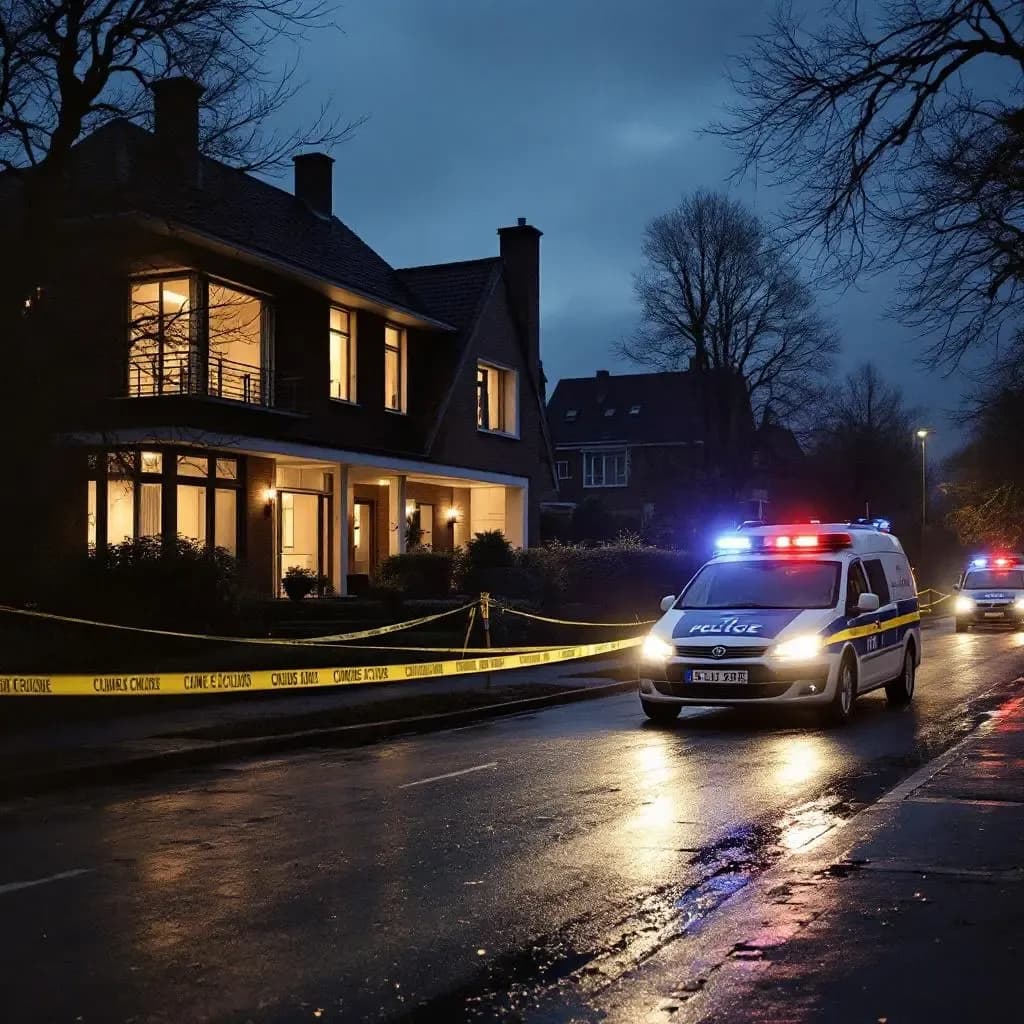
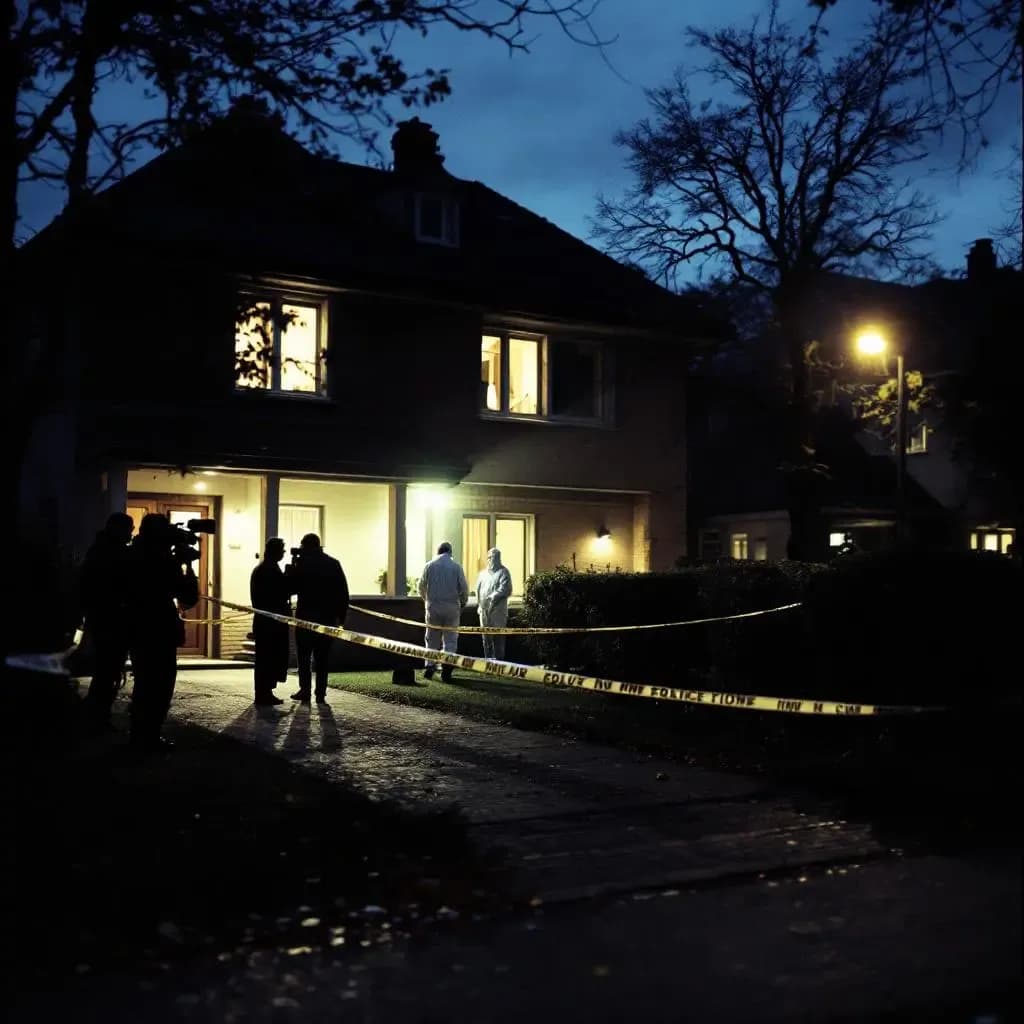
On the evening of 1 April, at around 20:30, Rohwedder was shot dead outside his home in an affluent suburb of Düsseldorf. According to witnesses, a group approached the property on foot. One or more individuals opened fire with automatic weapons at the front of the house. Rohwedder was struck by bullets fired through a window and died instantly.
The perpetrator or perpetrators fled the scene. Police recovered ballistic evidence that was later linked to RAF weaponry.
Investigation and the RAF's claim of responsibility
The Bundesamt für Verfassungsschutz, Germany's domestic intelligence agency, along with the Bundeskriminalamt, launched a major investigation. No one was ever convicted of the murder — but just a few months later, the RAF published a written claim of responsibility through its clandestine press channels. The group admitted responsibility and justified the killing on ideological grounds: Rohwedder was described as "responsible for millions of unemployed" and as "the instrument of German capitalist expansion eastward."
The RAF's claim of responsibility was accepted as authentic by investigators, based on code words and operational details that only the perpetrators could have known. No individual was ever prosecuted, however, as the killers were never conclusively identified and arrested.
Political and social context
Rohwedder's murder struck Germany at a critical moment. The country was still reeling from reunification — economically, culturally and politically. East Germany was undergoing social and economic collapse, unemployment was surging, and there was deep resentment toward West German leaders who were accused of steamrolling the East without experience or sensitivity.
The RAF framed the killing as an act of class warfare, but it was also widely seen as a symptom of a Germany that had yet to fully recover its stability and sense of identity in the aftermath of the Cold War.
Aftermath and the group's dissolution
Rohwedder's murder marked a turning point. It was the RAF's last major assassination. In the years that followed, German police pursued RAF members relentlessly. The organisation was gradually ground down. In 1998, the RAF issued a statement announcing its dissolution, attributable in all likelihood to a lack of personnel, resources and popular support.
The murder was never resolved in the strict judicial sense — no one stood trial for this particular killing. Yet investigators consider the case to have been solved, as the RAF's responsibility was established through its own confession and supported by ballistic analysis.
Legacy
Detlev Karsten Rohwedder is remembered as a deeply contested figure: a necessary reformer in the eyes of free-market economists, but equally a symbol of heavy-handed German capitalism in the view of the left. His assassination was the final major strike in Germany's long domestic terrorism conflict — and a symbol of the raw, violent fault lines exposed by reunification.