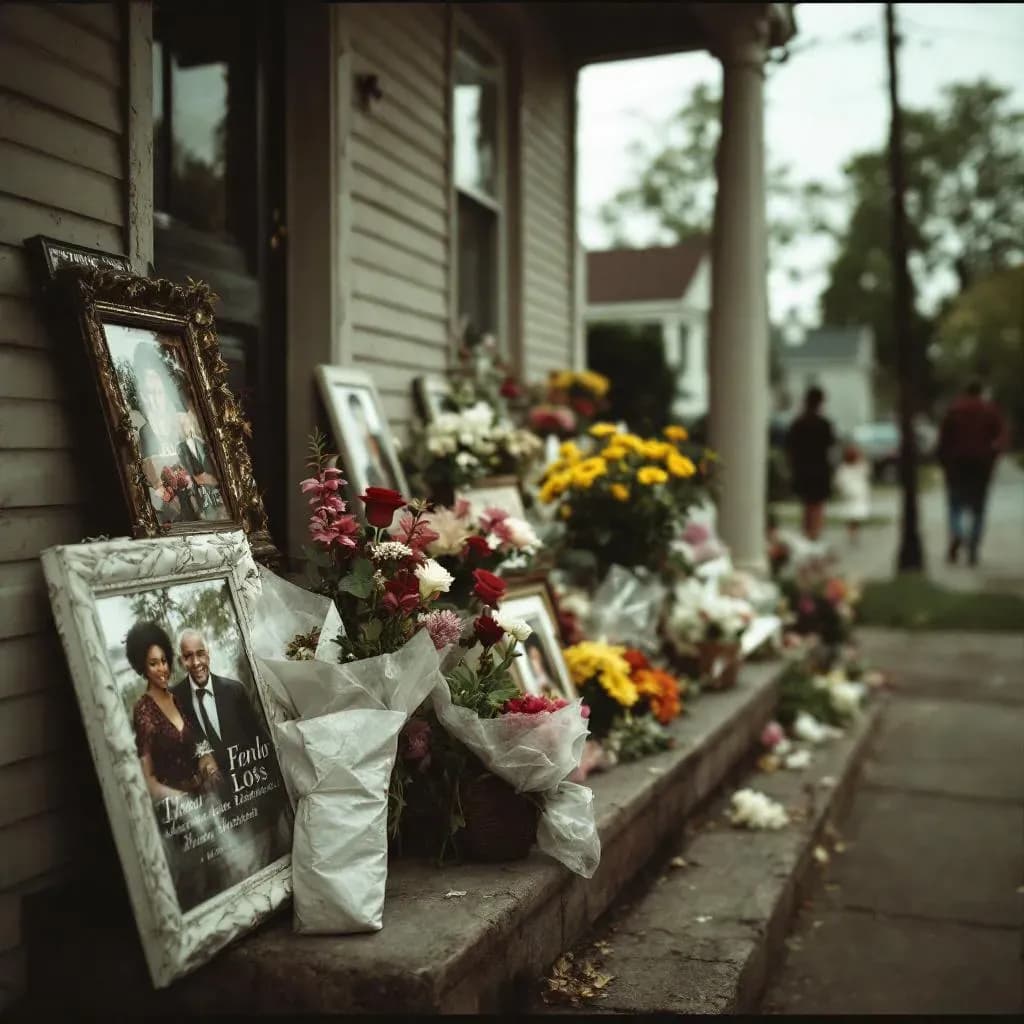
Podcast Exposes Systemic Bias in Criminal Investigations
The American podcast Black Girl Gone has established itself as an important voice in the true crime genre by focusing on cases that rarely receive attention in mainstream media. The series spotlights missing and murdered Black women and girls whose stories often remain untold and whose families struggle alone for justice.
The podcast documents how these cases systematically receive fewer police resources and less media coverage compared to cases involving white victims – a phenomenon known in American media as "missing white woman syndrome." For listeners following true crime podcast coverage, the series offers a critical perspective on how victims' backgrounds can influence the justice system's priorities.
Families' Heartbreaking Stories Take Center Stage
Each episode of Black Girl Gone dives into a specific case, giving victims names, faces, and stories. The series interviews family members, friends, and activists who have fought to keep the cases alive, even after authorities and media have long lost interest.
This approach resembles the format of other acclaimed true crime documentary series, but with an explicit focus on correcting the bias that exists in crime reporting. The podcast functions as both memorial and activism – demanding action and attention for cases society prefers to forget.
Vital Voice in the True Crime Landscape
Black Girl Gone represents a growing movement within the true crime genre, where creators consciously choose to focus on marginalized victims. The series challenges listeners to reflect on which cases receive attention and why.
For true crime enthusiasts, the podcast offers not only compelling criminal stories but also a deeper understanding of systemic crime and how race, class, and gender affect both law enforcement and media coverage. The series is relevant for anyone interested in justice and the structures that shape our legal system.