What is the episode about?
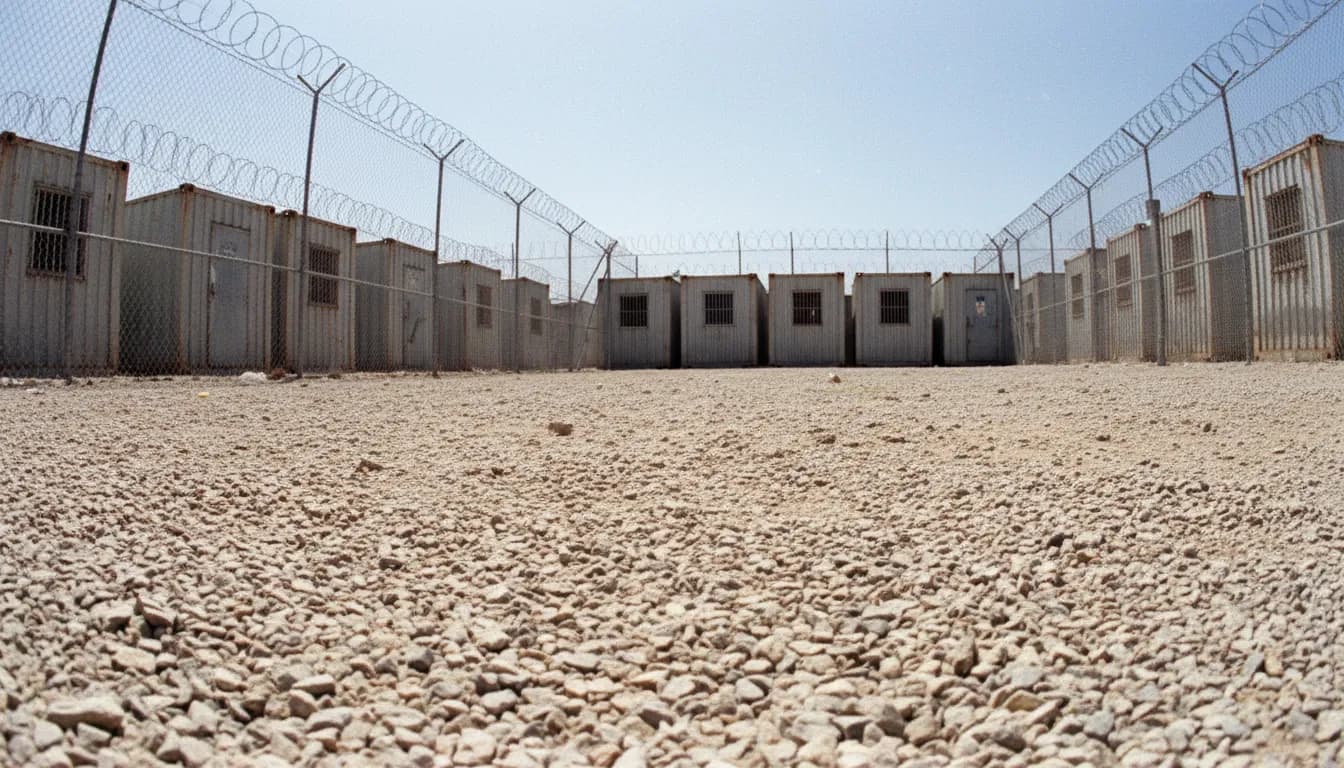
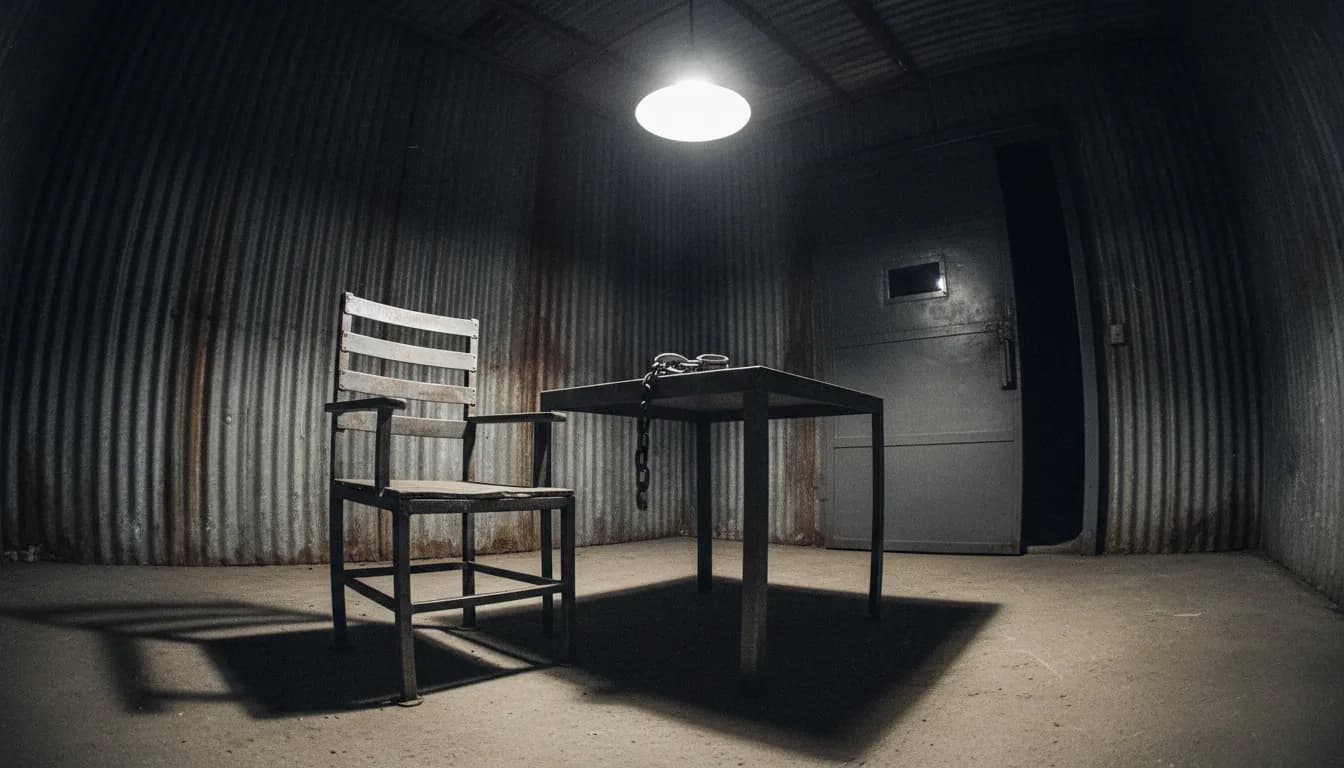
Mohamedou Ould Slahi, a Mauritanian citizen detained at Guantánamo Bay, is the central focus of this episode of Serial . In 2002, an elite team from the U.S. military, known as the Special Projects team, initiated one of the most extensive and secretive interrogation operations in the camp's history. Sarah Koenig investigates the extreme methods used against Slahi, including isolation, sleep deprivation, and simulated executions, aimed at forcing a confession from him regarding his alleged connections to al-Qaeda. The episode delves into the ethical and legal gray areas in which the U.S. defense operated after the September 11 attacks.
The case behind the episode
The case of Mohamedou Ould Slahi is one of the most well-documented cases of abuse at Guantánamo Bay, partly thanks to Slahi's own bestseller, Guantánamo Diary. In 2002, Slahi was moved to an isolated part of the camp, where a team led by figures such as Richard Zuli and the anonymized 'Mr. X' devised a plan to break him. The operation included a notorious boat ride where Slahi was subjected to waterboarding and physical beatings while blindfolded to create the illusion that he was being transported to an even worse place. The U.S. military employed sophisticated psychological tactics, including threats against Slahi's mother, to manipulate him into cooperating. Although Slahi eventually made confessions, these have since been called into question as they were given under extreme pressure and torture.
About the podcast
The fourth season of Serial marks a return to the investigative journalism that made the series world-famous with the case of