What is the episode about?
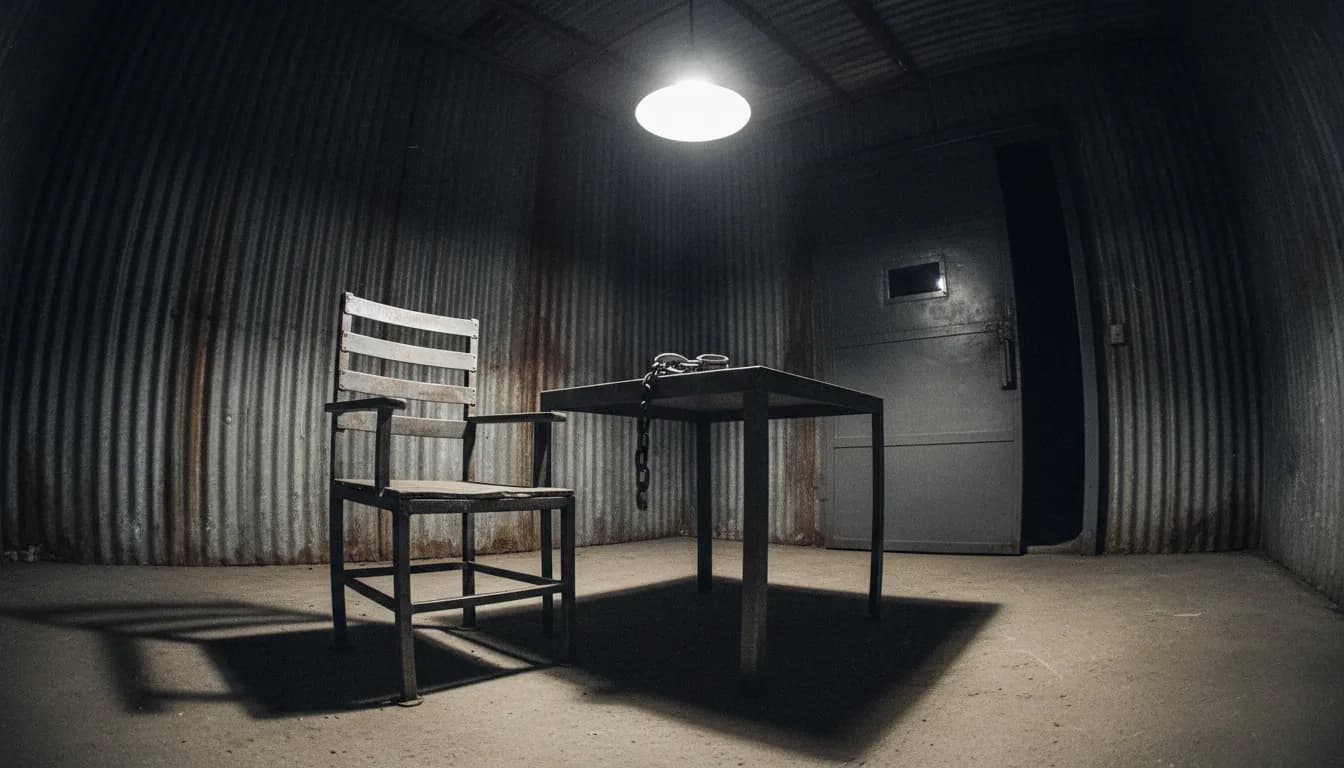
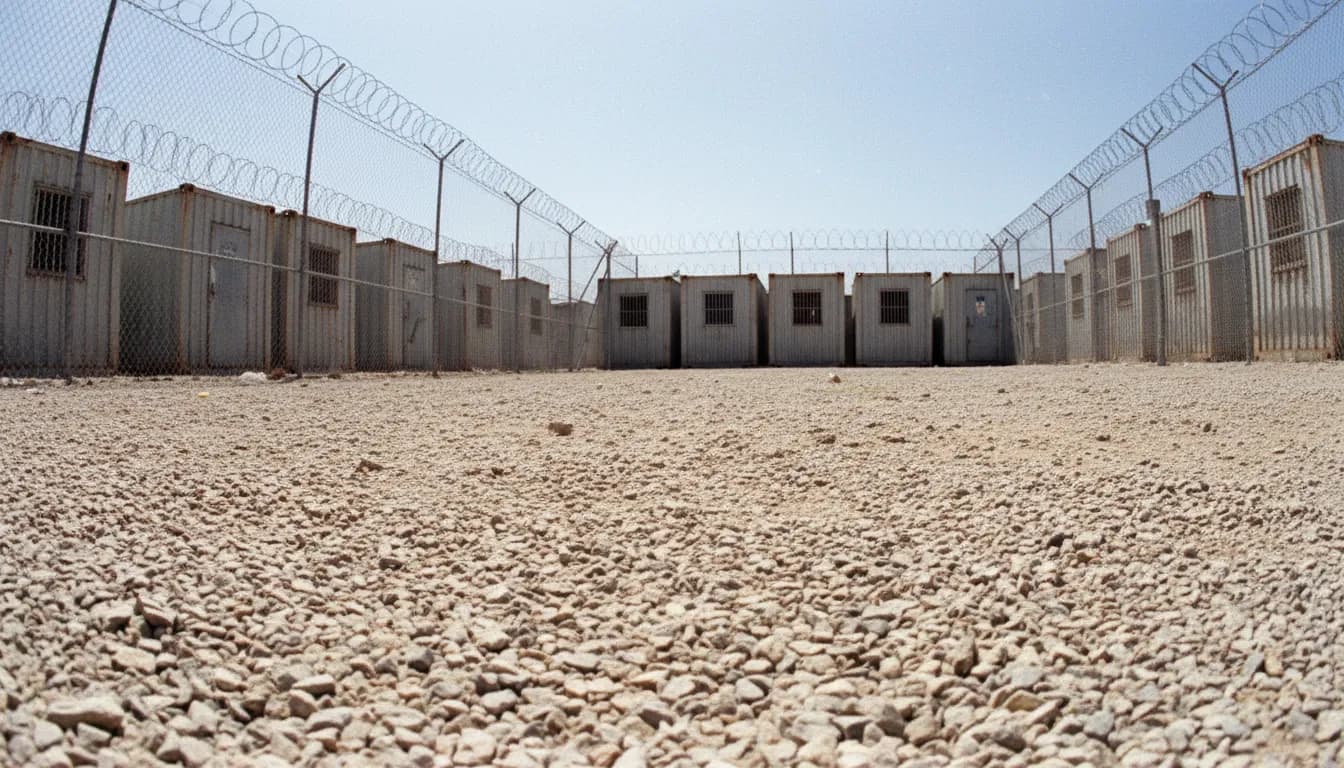
Serial season 4, episode 1, titled Poor Baby Raul, marks a significant shift for the award-winning podcast, as host Sarah Koenig turns her attention to the U.S. military prison at Guantanamo Bay. The episode explores the complex legal and human aspects of the war on terror, specifically how suspects with alleged ties to Al-Qaeda were captured in Pakistan and subsequently transferred to Cuba. Through interviews with former detainees and officials, the production uncovers the systemic failures and extreme interrogation methods that characterized the camp in the years following 2001. The focus here is on the individuals who were caught in a system without clear charges or trials, including the human costs of prolonged isolation and uncertainty.
The case behind the episode
The central case in this season concerns the detention of individuals such as Omar Khadr , who was captured as a teenager in Afghanistan and sent to Guantanamo Bay . The investigation sheds light on the controversial 'Enhanced Interrogation Techniques' and the legal gray area in which the detainees found themselves. Research materials reveal that many of these stories have been in the works since 2015, but can only now be published as sources in government positions are no longer bound by the same confidentiality requirements. The case of Raul, one of the central figures in the first episode, illustrates the psychological traumas that the detainees inflicted on themselves and each other under extreme conditions, including hunger strikes and constant surveillance. It is a narrative about the tension between national security and the fundamental human rights that the U.S. officially professes to uphold.
About the podcast
Serial became globally renowned with its first season about Adnan Syed and has since set the standard for modern true crime journalism. With season 4, the team moves away from individual murder cases and into the political arena. Sarah Koenig and her team have spent years gaining access to classified information and earning the trust of former employees of the U.S. defense. The podcast is now produced in close collaboration with the New York Times, adding an extra dimension of in-depth journalism to the personal accounts of the detainees.