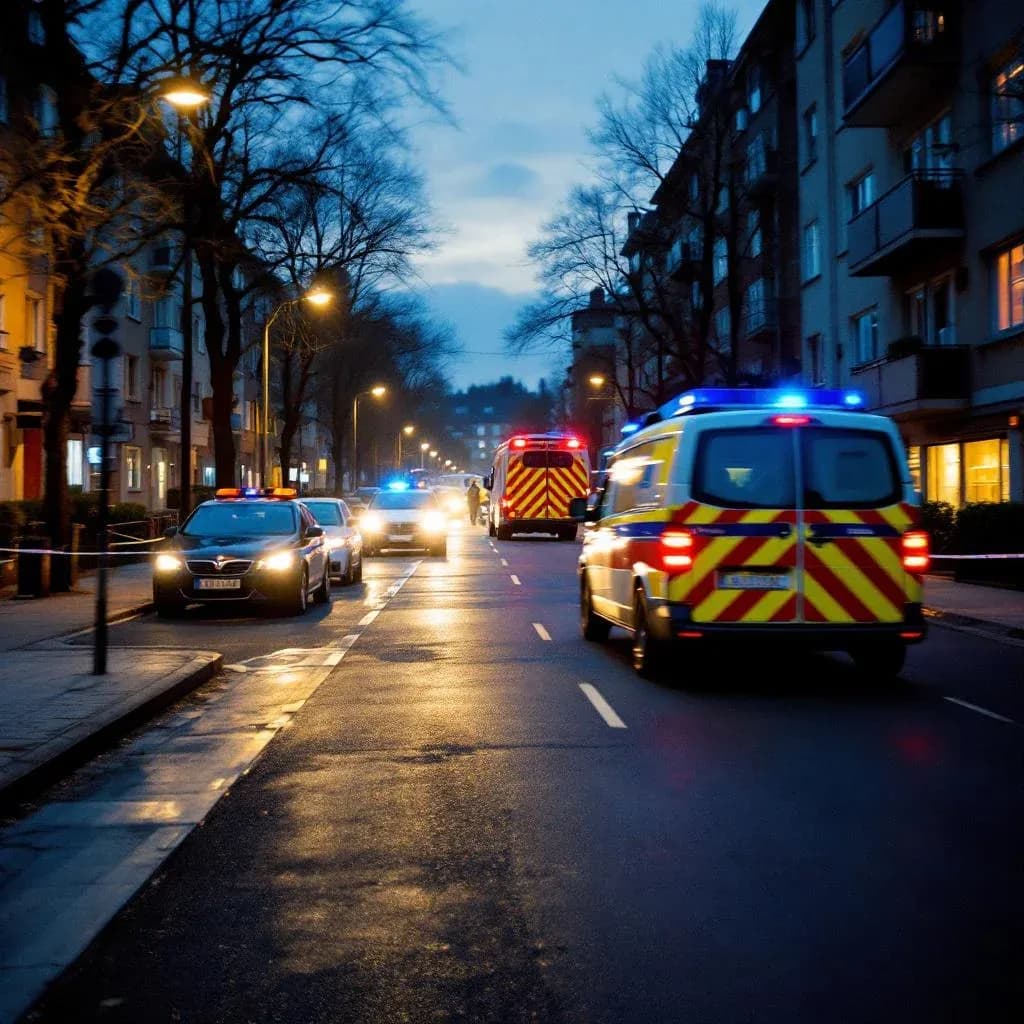
On February 19, 2020, around 10:00 p.m., Tobias R. stormed the Rote Rose Bar (Red Rose Bar) in Kesselstadt, a district of Hanau. He opened fire on guests with a 9 mm pistol. Five people were shot dead on the spot: Ferhat Unvar (22), Sedat Gürbüz (34), Said Nesar Hashemi (34), Mercedes Kierpacz (35), and Kaloyan Velkov (33). All had migrant backgrounds.
Just minutes later, around 10:15 p.m., the perpetrator appeared at Arena Bar, also in Hanau. He carried out his second attack of the evening. Four more people were killed: Hamza Khanouche (34), Vili Viorel Păun (33), Fatih Saraçoğlu (34), and Gökay Köklü (37). Several others were wounded in the attack.
Timeline
19 February 2020
Første angreb ved Rote Rose Bar
Omkring kl. 21:55-22:00 åbnede Tobias R. ild på gæster ved Rote Rose Bar i Kesselstadt-området med en 9 mm pistol. Fem personer blev dræbt: Ferhat Unvar, Sedat Gürbüz, Said Nesar Hashemi, Mercedes Kierpacz og Kaloyan Velkov.
19 February 2020
Andet angreb ved Arena-Bar
Omkring kl. 22:00-22:15 gennemførte gerningsmanden et andet angreb ved Arena-Bar i Hanau. Fire personer blev dræbt, herunder Vili Viorel Păun, Fatih Saraçoğlu, Gökhan Gültekin og Hamza Kurtović. Flere blev såret.
19 February 2020
Gerningsmand begår selvmord
Efter angrebene vendte Tobias R. tilbage til sin forældres hjem i Hanau, hvor han dræbte sin mor og derefter begik selvmord, før politiet kunne påtale ham.
16 December 2021
Efterforskning officielt afsluttet
Anklagemyndigheden nedlagde sagen, da der ikke blev fundet beviser for medgerningsmænd eller andres involvering i angrebet.
Tobias R. fled the scene. He was traced to his apartment in Hanau shortly after, where he took his own life before police could apprehend him.
The Perpetrator's Background and Motivation
Tobias R. was a 43-year-old German citizen with no previously known serious criminal history. Investigations following the attack revealed that he was deeply involved in conspiracy theories and far-right ideologies. He had published manifestos online and sent letters to local media expressing paranoid and racist views.
The perpetrator claimed, among other things, that he was being controlled by American authorities and harbored obsessive thoughts about migrants' influence on Germany. His digital footprint showed radicalization over time through internet forums and videos with extremist content. His motivation for specifically targeting people of non-German origin was clear: in written notes, he expressed beliefs that certain population groups should be "eliminated."
Reactions and Consequences
The attack sent shockwaves through Germany and the world. It was classified as a terrorist attack with a racist background. Hundreds of thousands participated in memorial services and solidarity demonstrations in Hanau and other German cities.
Chancellor Angela Merkel described the attack as an assault on all of Germany's values and pluralistic society. The Interior Ministry launched comprehensive investigations into both the perpetrator and potential failures in police surveillance.
The case drew international attention to the dangers of far-right terrorism and racially motivated violence. It also highlighted problems with online radicalization and conspiracy theories.
Following the attack, German police conducted an extensive investigation. The perpetrator was autopsied, his apartment searched, and his digital communications analyzed. Investigators found multiple manifestos, letters to politicians, and extensive documentation of his paranoid-racist worldview.
The investigations also revealed criticism of the police itself – some sources claimed that the perpetrator's earlier complaints about being persecuted were not taken sufficiently seriously at the time.
It emerged that Tobias R. had been registered in police firearms records and had legally obtained his weapons, which subsequently led to discussions about gun legislation in Germany.
Victims and Lasting Grief
The nine deaths left behind grieving families, friends, and entire communities. Many victims were both economically and socially active members of Hanau's community. Their deaths were marked with annual memorial services, where names were read aloud as a sign that they should not be forgotten.
Families of the victims later formed organizations to work against racism and to ensure the case remained a focal point in discussions about far-right extremism in Germany.
Significance and Legacy
The Hanau attack is counted among the worst mass shootings in modern German history. It underscores the dangers of conspiracy theories and their role in radicalization to violence. The case has also impacted the German debate on integration, migration, and combating extremism.
The attack became a turning point in Germany's public discourse on far-right terrorism, and it has inspired increased focus on preventing radicalization and monitoring online extremist environments. In the years following 2020, far-right extremism has received particular attention from German security services.